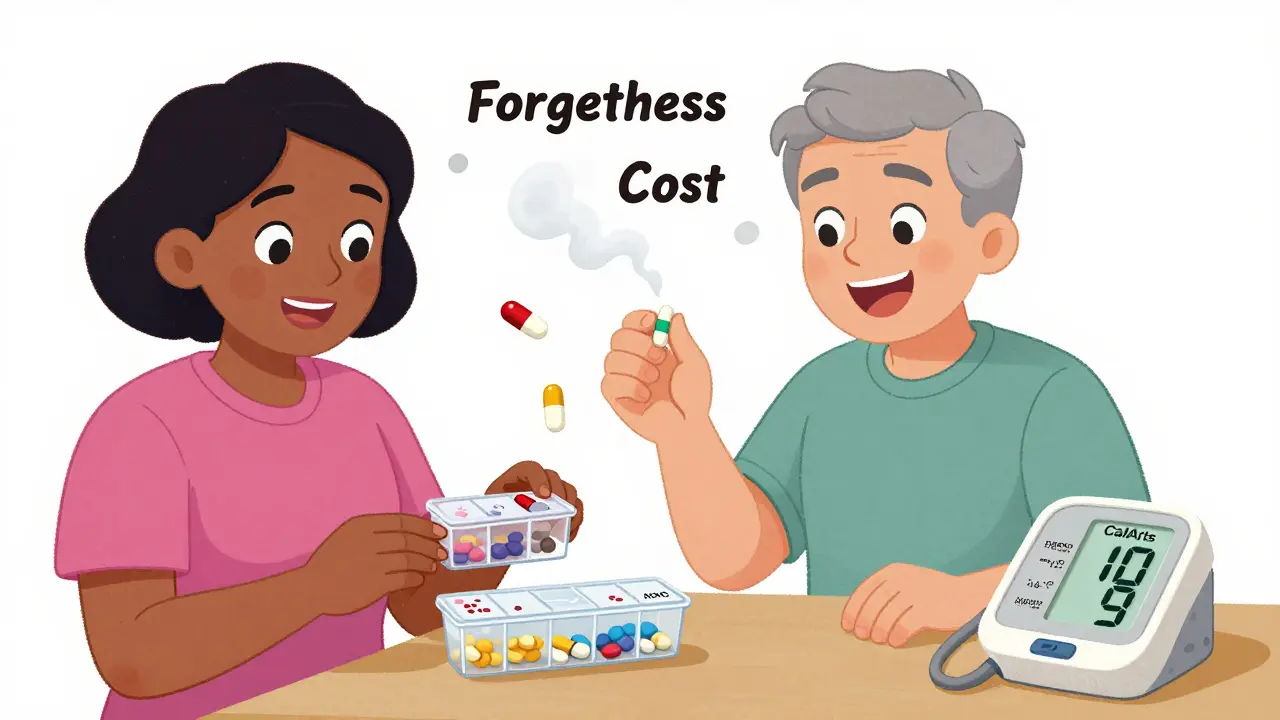
When you're managing high blood pressure, taking multiple pills every day isn't just inconvenient-it can be a major reason why treatment fails. Many people stop taking their meds not because they feel fine, but because they forget, get overwhelmed, or find it too expensive. That’s where antihypertensive combination generics come in. These are single tablets that pack two or even three blood pressure-lowering drugs into one dose. They’re not new, but their availability, cost, and real-world use vary wildly depending on where you live and what your insurance covers.
What Are Antihypertensive Combination Generics?
These pills are also called Single-Pill Combinations (SPCs) or Fixed-Dose Combinations (FDCs). They combine drugs from different classes-like a calcium channel blocker with an ACE inhibitor or an ARB with a diuretic-into one tablet. Why does this matter? Because most people with high blood pressure (70-80%) need more than one medicine to get their numbers under control. The American Heart Association and other major guidelines now recommend starting with a combination pill for many patients, especially those with stage 2 hypertension (140/90 or higher).
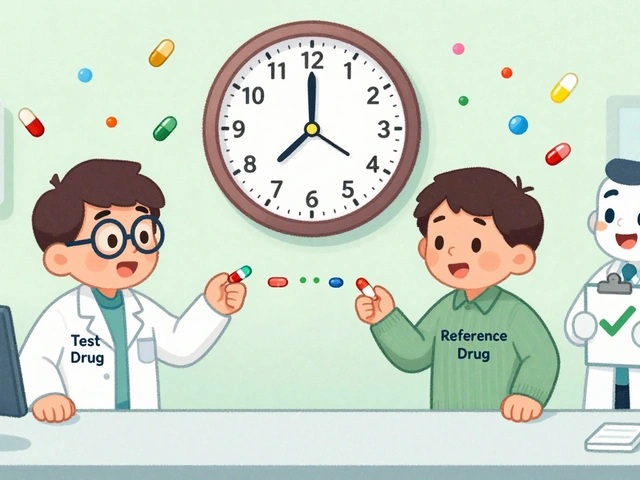
Generic versions of these combos have been around for years. For example, amlodipine/valsartan, losartan/hydrochlorothiazide, and amlodipine/benazepril are all available as generics. The FDA requires these generics to match the branded versions in how they work in the body. That means they must deliver the same amount of medicine into your bloodstream within a narrow range-80% to 125% of the original drug. This isn’t guesswork; it’s backed by clinical testing on healthy volunteers.
Common Combination Types and Dosages
Not all combos are the same. The most common pairings are based on proven effectiveness and safety. Here’s what you’re likely to find on pharmacy shelves:
- ACE inhibitor + thiazide diuretic - e.g., lisinopril/hydrochlorothiazide (10mg/12.5mg)
- ARB + thiazide diuretic - e.g., losartan/hydrochlorothiazide (50mg/12.5mg)
- Calcium channel blocker + ACE inhibitor - e.g., amlodipine/benazepril (5mg/20mg)
- Calcium channel blocker + ARB - e.g., amlodipine/valsartan (5mg/80mg)
- Triple-combination - e.g., amlodipine/valsartan/hydrochlorothiazide (5mg/160mg/12.5mg)
Some combos come in scored tablets so you can split them if your doctor adjusts the dose. Others are in capsules. The exact strength matters-there’s no such thing as a 2.5mg amlodipine / 160mg valsartan combo tablet, even if your doctor prescribes those doses separately. If you need a non-standard mix, you’ll have to take two pills.
Cost Comparison: Combo vs. Separate Generics
One of the biggest myths is that combination pills are always cheaper. They’re not. In fact, the cost advantage has flipped over the last decade.
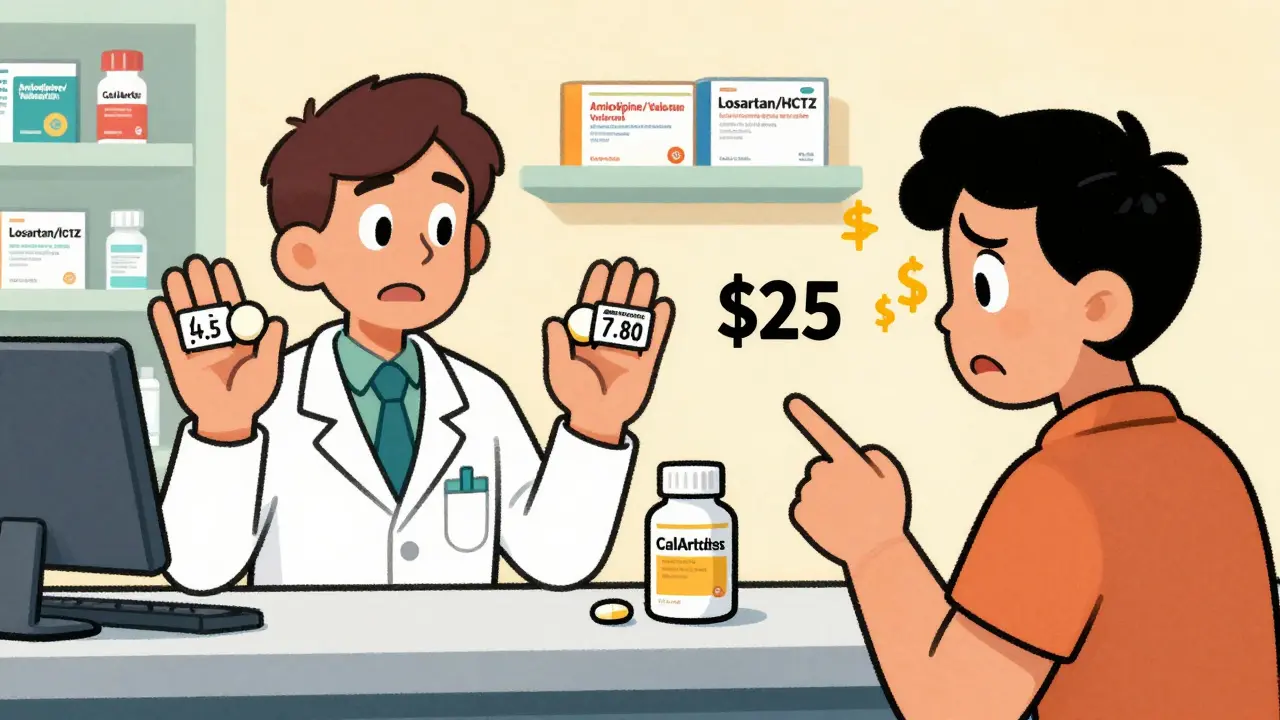
Back in 2013, when brand-name drugs were still dominant, SPCs cost 15-20% less than buying the two pills separately. Today? It’s the opposite. If you buy generic amlodipine ($4.50/month) and generic valsartan ($7.80/month) separately, your total is $12.30. But the generic version of Exforge (amlodipine/valsartan) can cost $18-$25 at the pharmacy. Same active ingredients. Same effectiveness. But the combo costs more.
There are exceptions. Some combos like losartan/HCTZ are still very affordable-under $10 a month at pharmacies like Walmart or Costco. But others, like amlodipine/benazepril, hover around $17-$20. The price depends on your pharmacy, location, and whether you’re using a discount card like GoodRx. In the U.S., 85% of all combination prescriptions are for generics, but that doesn’t mean they’re cheap.
Why Insurance Often Doesn’t Cover the Combo
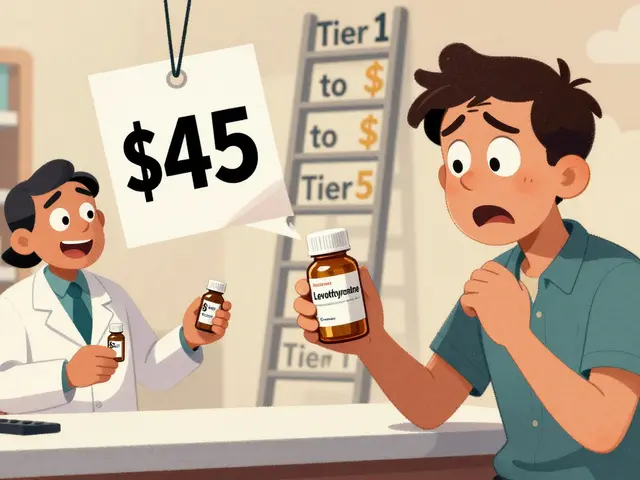
This is where things get frustrating. Many insurance plans cover the individual generic drugs for $5 or less per month. But they charge $40-$50 for the same drugs in a single pill. Why? Because the manufacturer of the combo pill still holds a patent on the formulation-even though the ingredients are generic. Insurers see it as a branded product and don’t want to pay more.
Patients report this frustration everywhere: Reddit, PatientsLikeMe, HealthUnlocked. One user said, “I pay $45 for one pill when I could get the two pieces for $10.” Another added, “My doctor says the combo is better, but my insurance won’t budge.”
Some plans have exceptions. If your doctor writes a letter saying you have adherence issues or have tried separate pills and failed, you might get the combo covered. But that’s a hassle most people don’t want to deal with.
Adherence: The Real Advantage
Even if the combo costs more, it might still be worth it. Studies show people take their meds 15-25% more consistently when they only have to swallow one pill instead of two or three. One 2023 study found adherence rates jumped from 67% with separate pills to 82% with a single combo pill. That’s not a small difference-it translates to 28% fewer hospital visits for uncontrolled blood pressure.
Real people notice it. “I used to forget one of my pills,” said a 68-year-old from Ohio. “Now I just take one in the morning. My BP is finally stable.”
But here’s the catch: if you can’t get the exact combo you need-say, 2.5mg amlodipine with 160mg valsartan-you’re stuck. No manufacturer makes that dose. You’ll have to take two pills anyway. So the convenience advantage disappears.
Global Availability: Big Gaps Exist
While the U.S. has good access to these generics, the picture is very different elsewhere. A 2021 study looked at 26 low- and middle-income countries. Only 20 had confirmed availability of generic SPCs. In four countries-Ethiopia, Morocco, Afghanistan, and Turkey-researchers couldn’t find a single pharmacy stocking them.
The WHO says 95% of people with high blood pressure need combination therapy. But in low-income countries, less than half have access to even basic antihypertensive medicines. In places like sub-Saharan Africa, patients often get one pill-if they get any at all. That’s why death rates from stroke and heart disease are so much higher there.
Even where the pills are available, they’re not always in guidelines. Only 12 of the 26 countries surveyed included SPCs in their national hypertension treatment plans. Doctors don’t prescribe what they don’t know is approved.

When to Choose a Combo Pill
So when should you ask your doctor about a combination generic? Here are three clear scenarios:
- You’re starting treatment for stage 2 hypertension (140/90 or higher) and your doctor recommends two drugs.
- You’re having trouble remembering to take multiple pills every day.
- Your blood pressure is still high despite taking two separate generics, and you’re not missing doses.
But avoid it if:
- Your insurance covers the individual pills for less than $10 total per month.
- You need to adjust doses frequently (e.g., kidney issues, elderly patients).
- You’re on a fixed income and can’t afford the extra cost.
There’s no one-size-fits-all. The goal isn’t to take the fewest pills-it’s to take the right pills, consistently.
What to Ask Your Pharmacist
If your doctor prescribes a combo pill, don’t assume it’s the cheapest option. Ask these questions:
- “Is there a generic version of this combo?”
- “Can I get the same active ingredients in two separate pills for less?”
- “Does my insurance cover the combo, or just the individual drugs?”
- “Is there a 30-day supply available without a special order?”
Pharmacists can often find alternative brands or suggest mail-order options. Some pharmacies even offer price-matching for GoodRx discounts.
Future Trends
Triple-combination pills (three drugs in one) are starting to appear. A 2022 study projected that if these became widely available in low-income countries, they could cut the treatment gap by 35%. The FDA is also streamlining approval for new generic combos, which could bring down prices over time.
But until then, the real barrier isn’t science-it’s access, cost, and awareness. The pills work. The data is solid. The problem is the system.

Melissa Stansbury
March 19, 2026 AT 20:02Just took my combo pill this morning-amlodipine/valsartan-and honestly? It’s the only reason I haven’t missed a dose in 8 months. Used to have this little pile of pills on my nightstand that looked like a science experiment. Now? One pill. One glass of water. Done.
My insurance still charges me $22 for it though. Meanwhile, I could get the two separate generics for $11. But I don’t care. My BP’s stable. My doctor’s happy. I’m not risking another ER visit because I forgot a pill.
Kendrick Heyward
March 20, 2026 AT 05:22LMAO 😂 people still think combo pills are some kind of miracle? Nah. It’s just Big Pharma’s way of charging more for the same damn drugs. I’ve been on separate generics for years. Never missed a dose. Never had a problem. Stop pretending convenience is worth $15 extra per month. It’s not. It’s greed.
Ryan Voeltner
March 20, 2026 AT 15:09There is a clear clinical advantage to single pill combinations when adherence is the primary barrier to control. The data from multiple large cohort studies consistently shows improved persistence rates and reduced cardiovascular events. Cost should not be the sole determinant of therapeutic choice when the outcome metric is long term morbidity and mortality.
That said, affordability must be addressed systemically. This is not a patient failure. It is a policy failure.
cara s
March 21, 2026 AT 19:50I read this whole thing because I’m kinda obsessed with how weird the U.S. drug pricing system is. Like, I get that generics are cheaper individually, but why does the combo cost more? It’s like the pharmacy is charging extra for putting the pills in the same box. No one’s patenting the packaging. Why is this still a thing?
My mom takes three separate pills. She forgets one every other day. She’s 72. She’s not lazy. She’s just tired. The combo would save her life. But her Medicare plan won’t cover it unless she files a prior auth. Which means paperwork. Which means calling. Which means yelling. Which means she gives up.
So she’s still at 150/95. And we’re all just… shrugging.
Andrew Muchmore
March 22, 2026 AT 04:58Combos work. The data is undeniable. Adherence goes up. Hospitalizations go down. That’s not opinion. That’s epidemiology.
But the system is rigged. Insurance incentivizes the cheapest option, not the most effective one. Pharma exploits loopholes to keep combo pricing high. Doctors are caught in the middle.
It’s not about willpower. It’s about design. And the design is broken.
Paul Ratliff
March 23, 2026 AT 12:49one pill vs two. no brainer. my doc switched me. cost went up 3 bucks but i dont forget anymore. win win
Stephen Habegger
March 25, 2026 AT 08:02So glad someone finally laid this out. I’ve been telling my friends for years: if you can afford the combo, take it. If you can’t, don’t stress. Just set phone alarms for the separate pills. Either way, you’re doing better than 40% of people with hypertension.
Consistency > cost. Always.
Sanjana Rajan
March 26, 2026 AT 10:59Why are Americans so obsessed with pills? In India we just eat garlic, drink neem water, and walk 5km a day. No fancy combos. No insurance drama. Just life. You overmedicate everything here. It’s pathetic.
Kyle Young
March 26, 2026 AT 20:26If we accept that hypertension is a chronic condition requiring lifelong management, then the question shifts from cost to sustainability. Is a $15 monthly premium for improved adherence an economic burden or a preventive investment? The answer depends on whether we measure value in dollars or in lives.
Perhaps the real issue is not the pill, but the framing.
lawanna major
March 28, 2026 AT 13:29My husband was diagnosed with stage 2 hypertension last year. We tried separate generics first. He missed doses. His numbers climbed. We switched to the amlodipine/valsartan combo. Within six weeks, his BP dropped from 158/96 to 124/80. He hasn’t missed a dose since. The cost difference? $18 vs $12. We chose health. Not because we’re rich. Because we’re smart.
Don’t let insurance dictate your survival.
Linda Olsson
March 28, 2026 AT 13:57Of course the combo costs more. It’s a trap. Big Pharma knows people will pay extra for convenience. They don’t care if you die of a stroke. They care if you buy their pill. The FDA approves these combos not because they’re better-but because they’re profitable. Wake up. This isn’t medicine. It’s a subscription service.
Ayan Khan
March 30, 2026 AT 05:22In India, access to even basic antihypertensives is a challenge. But we’ve learned to adapt. Many patients use community health workers who deliver pills weekly. Others rely on local clinics that offer free or low-cost combinations. We don’t wait for insurance. We build systems that work.
Maybe the U.S. needs less bureaucracy and more community.
Emily Hager
March 30, 2026 AT 19:26What’s next? A pill that combines your blood pressure meds, your diabetes meds, your cholesterol meds, and your antidepressants? Oh wait-they’re already working on it. Welcome to pharmacological monoculture. You’re not treating disease anymore. You’re optimizing compliance for corporate profit margins.
Melissa Starks
March 31, 2026 AT 14:46I work in a community clinic. We see patients every day who can’t afford their meds. We’ve started giving out free combo samples when available. We’ve had patients cry because they hadn’t had stable BP in years. One woman said, ‘I didn’t know I could feel this good.’
It’s not about politics. It’s about dignity. If one pill helps someone live without fear, why are we arguing about $7?
We need to change the system. Not just the prescription.
Lauren Volpi
April 2, 2026 AT 04:27Why are we even talking about this? America’s healthcare is a joke. You pay $50 for a pill that costs 20 cents to make. Meanwhile, people in other countries get life-saving meds for free. We’re not sick. We’re exploited. Wake up. This isn’t medicine. It’s capitalism with a stethoscope.