Side Effect Reporting Eligibility Checker
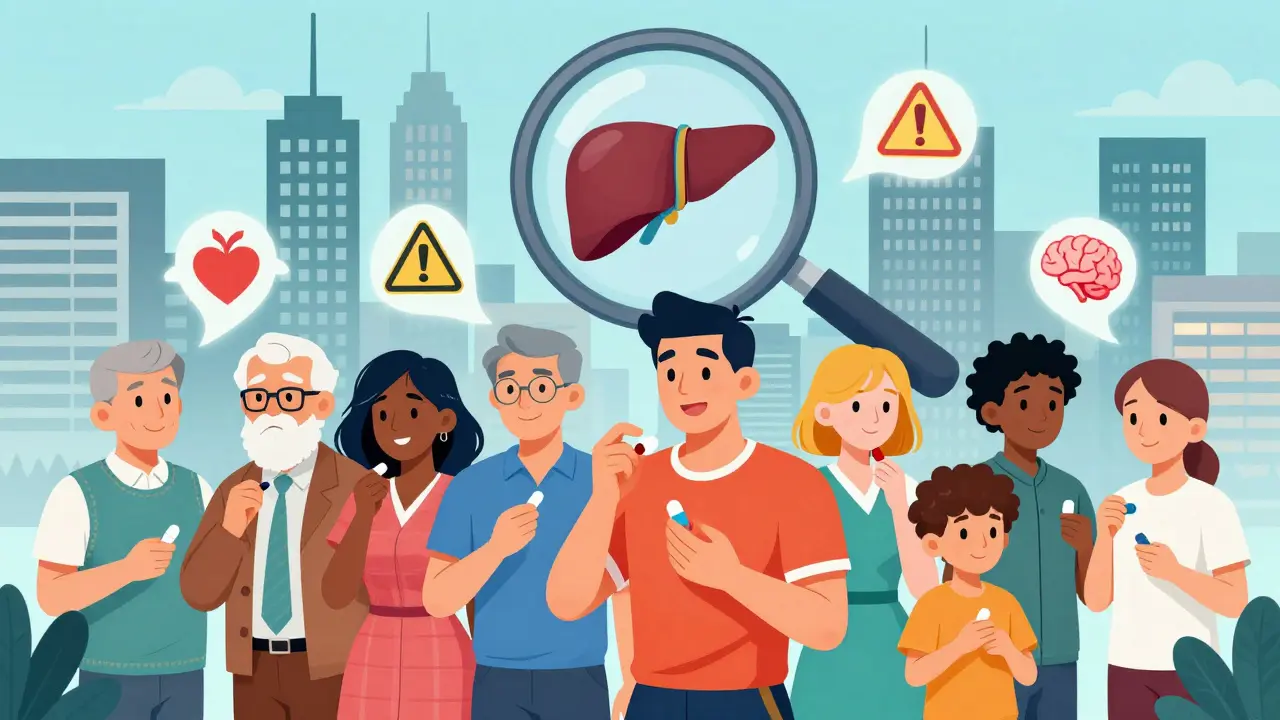
This tool helps determine if your medication experience meets criteria for formal reporting to pharmacovigilance systems. Based on FDA/EMA guidelines, over 78% of serious drug safety issues are discovered after approval, but only 1-10% of adverse events get reported.
When a new drug hits the market, it doesn’t mean its safety story is over. In fact, that’s when the real work begins. Clinical trials involve thousands of people-sometimes just a few hundred-under tightly controlled conditions. But once millions of patients start taking the drug in the real world, with different diets, other medications, chronic illnesses, and genetic differences, unexpected side effects can appear. That’s where post-marketing pharmacovigilance comes in: the ongoing, global system designed to catch those hidden risks before they hurt more people.
Why Clinical Trials Miss Things
Clinical trials are designed to prove a drug works, not to find every possible side effect. Participants are carefully selected: they’re often healthier than the average patient, don’t take many other meds, and are closely monitored. But real life isn’t like that. An 80-year-old with kidney disease and high blood pressure might take the same pill as a 35-year-old athlete. That difference can trigger a reaction no one saw in trials. For example, Vioxx (rofecoxib), a popular painkiller approved in 1999 after testing on 5,000 people, seemed safe. But once over 80 million people used it, data showed a nearly two-fold increase in heart attacks. It was pulled from shelves in 2004. That delay-five years-cost lives. It’s not an outlier. Studies show that 78% of serious drug safety issues discovered between 2001 and 2010 were found only after the drug was widely used.How Side Effects Are Caught After Approval
There’s no single way to find new side effects. Instead, regulators and drug makers use a network of tools, each with strengths and blind spots. Spontaneous reporting is the oldest method. Doctors, pharmacists, and even patients can report unusual reactions to national systems like the FDA’s MedWatch or the UK’s Yellow Card Scheme. In 2023, MedWatch received over 1.2 million reports. But here’s the catch: experts estimate only 1% to 10% of actual side effects get reported. Many doctors don’t have time. Patients don’t know how. Some think it’s not their job. Electronic health record (EHR) mining is changing the game. The FDA’s Sentinel Initiative pulls data from over 300 million patient records across hospitals and clinics. It doesn’t wait for someone to report a problem-it scans for patterns. If a new diabetes drug suddenly shows a spike in kidney failures among users over 65, the system flags it. This active surveillance catches signals passive systems miss. Prescription event monitoring tracks who gets prescribed a drug and what happens next. In the UK, the Clinical Practice Research Datalink links prescription data with hospital records for 45 million people. If a drug is linked to a higher rate of liver damage, it shows up in the numbers-even if no one filed a report. Patient registries follow specific groups over time. For example, patients taking a new cancer drug might be tracked for 10 years to watch for rare cancers or nerve damage that takes years to develop. And in countries like Japan, new drugs must undergo mandatory reexamination for 4 to 10 years after approval-something the U.S. doesn’t require by law.The Global Patchwork of Safety Systems
Every country has its own rules. The European Union uses EudraVigilance, a centralized database that collected 28.5 million safety reports from 108 countries by 2022. It’s standardized, but implementation varies between member states. The U.S. relies on a mix of passive reporting and active surveillance. The FDA’s Sentinel system is one of the most powerful in the world-but it’s not mandatory for all healthcare providers to participate. And while the FDA requires post-marketing studies for 71% of new drugs, 40% of those studies are delayed, leaving gaps in safety data. Japan’s system is strict: new drugs face intense scrutiny for years. The UK’s Yellow Card Scheme, launched in 1964, is the world’s oldest. It’s simple, mobile-friendly, and trusted by pharmacists-but many still don’t know what counts as reportable. The biggest gap? Low-income countries. Africa has only 38 operational pharmacovigilance centers for 54 nations. Reporting rates there are less than 1% of those in the EU. That means dangerous drugs might stay on shelves longer-because no one’s looking.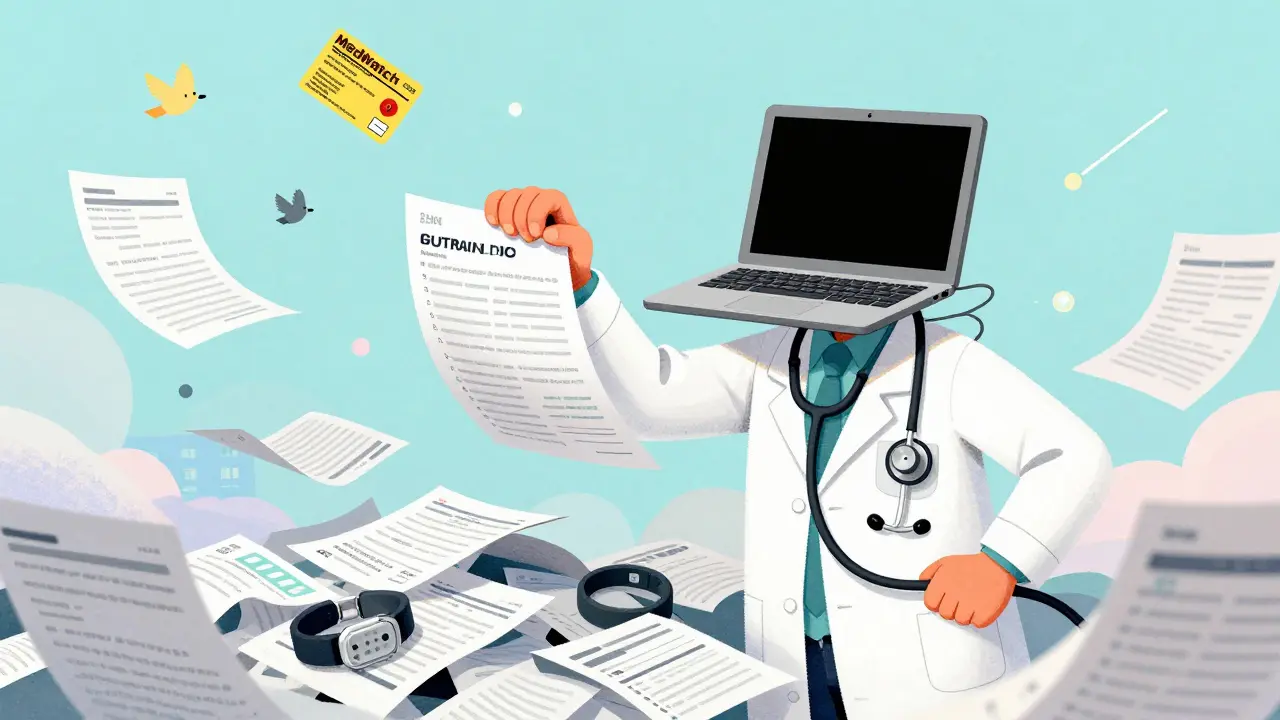
What Happens When a Risk Is Found
Finding a signal is just the first step. The next is figuring out if it’s real-and what to do about it. Regulatory agencies use algorithms to sort through millions of reports. In 2022, EudraVigilance flagged 1,843 potential safety issues. Of those, 287 were confirmed as new risks. That could mean updating the drug label to warn about a rare liver injury, requiring doctors to complete special training before prescribing, or even pulling the drug off the market. For high-risk drugs like thalidomide, the response is extreme: restricted distribution, mandatory patient education, and even fingerprinting in some countries to prevent misuse. The FDA and EMA now require Risk Management Plans (RMPs) for most new drugs. These include things like patient alert cards, special prescribing forms, and mandatory monitoring tests. Sometimes, the fix is simple. In Southeast Asia, doctors now test patients for the HLA-B*15:02 gene before prescribing carbamazepine, an epilepsy drug. That one test reduced deadly skin reactions by 95%.Who Reports-and Why So Few Do
The system only works if people report. But most don’t. A 2022 survey found 68% of U.S. doctors think MedWatch is too slow and complicated. Filling out one report takes an average of 22 minutes. Pharmacists in the UK appreciate the Yellow Card app, but 61% aren’t sure what counts as reportable. Patients? Only 12% even know MedWatch exists. On Reddit, pharmacists complain about duplicate reporting-state systems, federal systems, hospital systems-all asking for the same info. Small biotech firms often have just three staff handling global safety reporting. Big companies? Over 50. That imbalance creates blind spots. The solution isn’t just better tools-it’s culture change. The WHO and FDA are pushing for simpler digital reporting, patient education campaigns, and incentives for healthcare workers. Imagine a world where every patient gets a one-click link to report a side effect right after their prescription is filled. That’s the goal.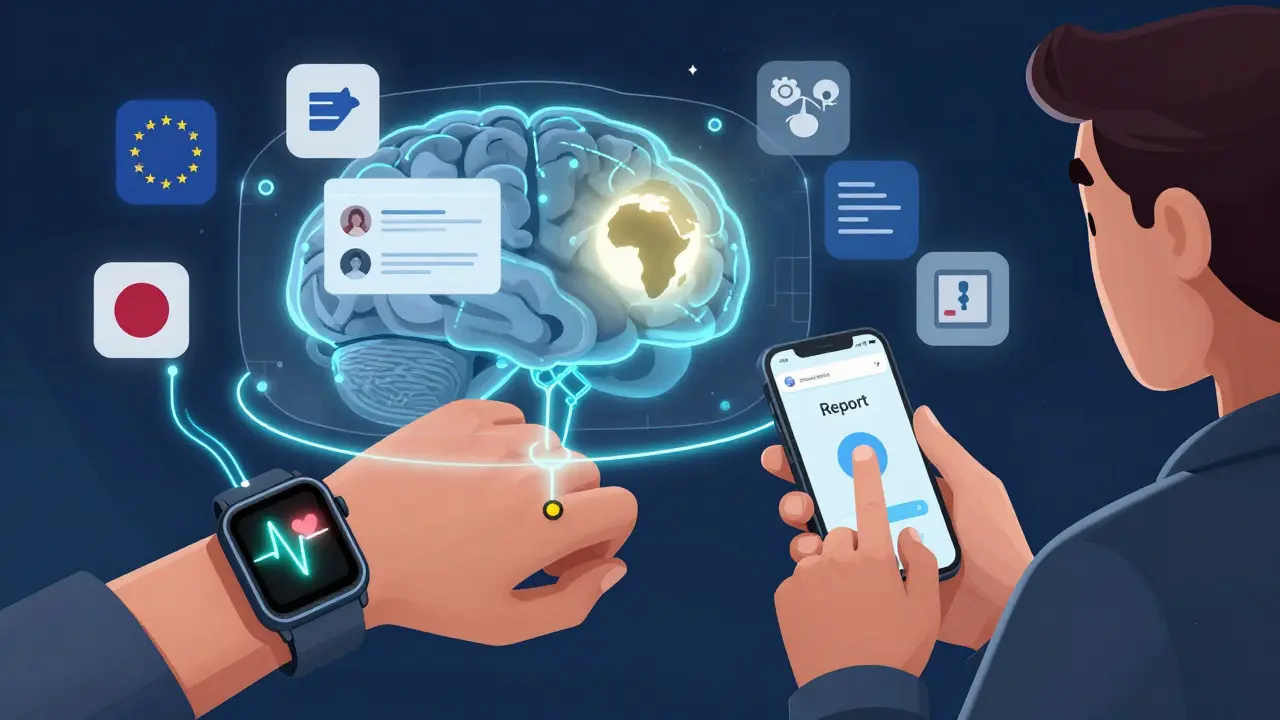


Julius Hader
December 27, 2025 AT 13:16Man, I’ve seen this play out too many times. Drug companies rush things to make cash, and we’re the ones left cleaning up the mess. Vioxx? Thalidomide? They knew. They just didn’t care. The FDA’s got more lawyers than scientists, and the ‘voluntary’ reporting system? A joke. I’ve had my own side effects - no one listens until it’s too late. 🤷♂️
Mimi Bos
December 28, 2025 AT 14:07so i took that new anxiety med last month and started having weird dreams like i was floating in a pool of glitter?? idk if its related but i reported it on yellow card lol its only been 2 days and already got an auto reply 😅
oluwarotimi w alaka
December 29, 2025 AT 23:37they say 'global pharmacovigilance' like its some noble mission but let’s be real - this is a western scam. Africa has 38 centers for 54 countries? Meanwhile the US and EU hoard AI tech and patent every early warning system. They want us to report side effects but won’t even let us afford the drugs. This isn’t safety - it’s control. And don’t tell me about 'patient education' when your meds cost more than my rent.
Debra Cagwin
December 31, 2025 AT 00:34This is such an important topic, and I’m so glad you broke it down clearly. Many people don’t realize how much of a team effort this is - doctors, patients, pharmacists, even tech developers. The fact that we can now use wearables and AI to catch side effects in real time? That’s hope. And yes, reporting takes five minutes - but it can save someone’s life. If you’ve ever felt unsure about a side effect, please, just report it. You’re not overreacting. You’re being a hero.
Teresa Marzo Lostalé
January 1, 2026 AT 05:47It’s wild to think that the same pill that helps someone sleep might quietly wreck someone else’s liver - and we only find out because some grandma in Ohio finally typed ‘my legs feel like jelly’ into a form after 6 months. We’re all just guinea pigs in a giant, slow-motion experiment. But hey, at least now we’ve got apps to report it… and maybe someday, AI will notice before we do. 🌌
ANA MARIE VALENZUELA
January 2, 2026 AT 15:02Let’s cut the fluff. The system is broken. 78% of serious side effects are found AFTER approval? That’s not vigilance - that’s negligence dressed up in jargon. And don’t get me started on ‘Risk Management Plans’ - they’re paperwork theater. Real safety means delaying approval until we’ve tested on diverse populations, not rushing to market and hoping nobody dies. The FDA’s ‘Sentinel’ sounds fancy, but if 40% of post-marketing studies are delayed, who’s really watching?
Bradly Draper
January 4, 2026 AT 05:26i just started a new blood pressure med and my hands get super cold now. didn't know if i should say anything but now i'm gonna tell my doc. thanks for reminding me it's okay to speak up. even small stuff matters.
Gran Badshah
January 4, 2026 AT 17:12my cousin in delhi took a painkiller and got rashes - hospital said it's 'rare' but no one filed a report. why? because the doctor said 'it's not worth it' and the pharmacy didn't even know how. we need simple apps. not forms. just tap and send. why is this so hard?