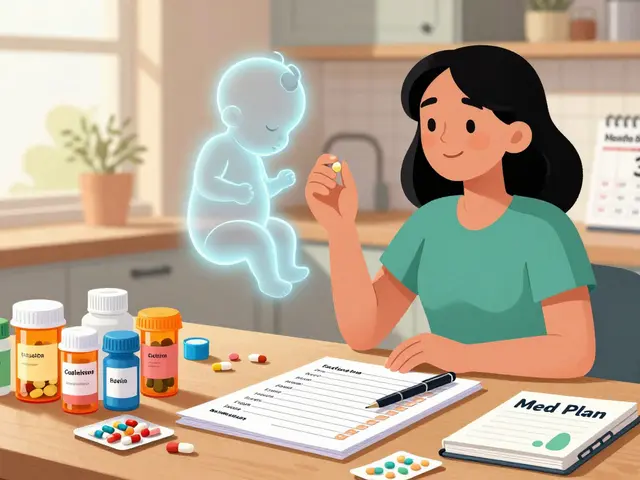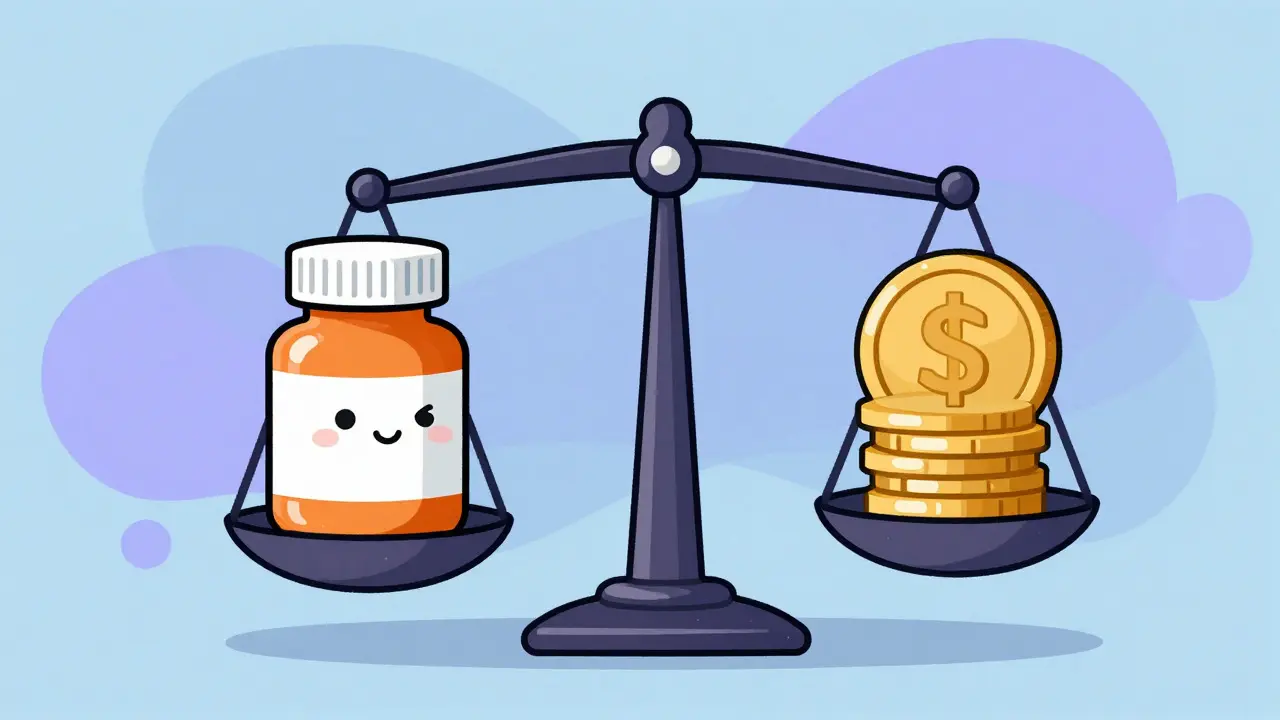
Imagine paying $200 for a prescription when a chemically identical alternative costs $15. That gap isn't just bad luck; it's often the result of antitrust laws failing to keep pace with clever corporate strategies. In the world of generic pharmaceuticals, competition is supposed to be fierce, driving prices down and saving consumers billions. But behind the scenes, legal loopholes, patent tricks, and secret deals can stall that competition for years. Understanding these dynamics is crucial for anyone interested in healthcare economics, legal frameworks, or simply why their medicine costs what it does.
The Foundation: How the Hatch-Waxman Act Balances Innovation and Access
To understand the current mess, you have to look at the rules that created the modern generic market. The Hatch-Waxman Act is the U.S. legislation signed in 1984 that established the framework for approving generic drugs while protecting branded innovators' patents. Before this law, getting a generic version of a drug was nearly as expensive and time-consuming as developing the original. The Act introduced the Abbreviated New Drug Application (ANDA) process, allowing generics makers to skip clinical trials if they could prove bioequivalence to the brand-name drug.
This system works brilliantly on paper. It incentivizes big pharma to innovate by giving them temporary monopoly power, then opens the floodgates for cheaper copies once patents expire. The results are undeniable. By 2016, generic drugs accounted for 90% of all prescription sales in the U.S., up from just 19% in 1984. Between 2005 and 2014, this shift saved consumers roughly $1.68 trillion. However, the same mechanisms designed to protect innovation have been exploited to delay competition, creating a complex web of antitrust issues.
The "Pay-for-Delay" Problem: When Competitors Pay Each Other
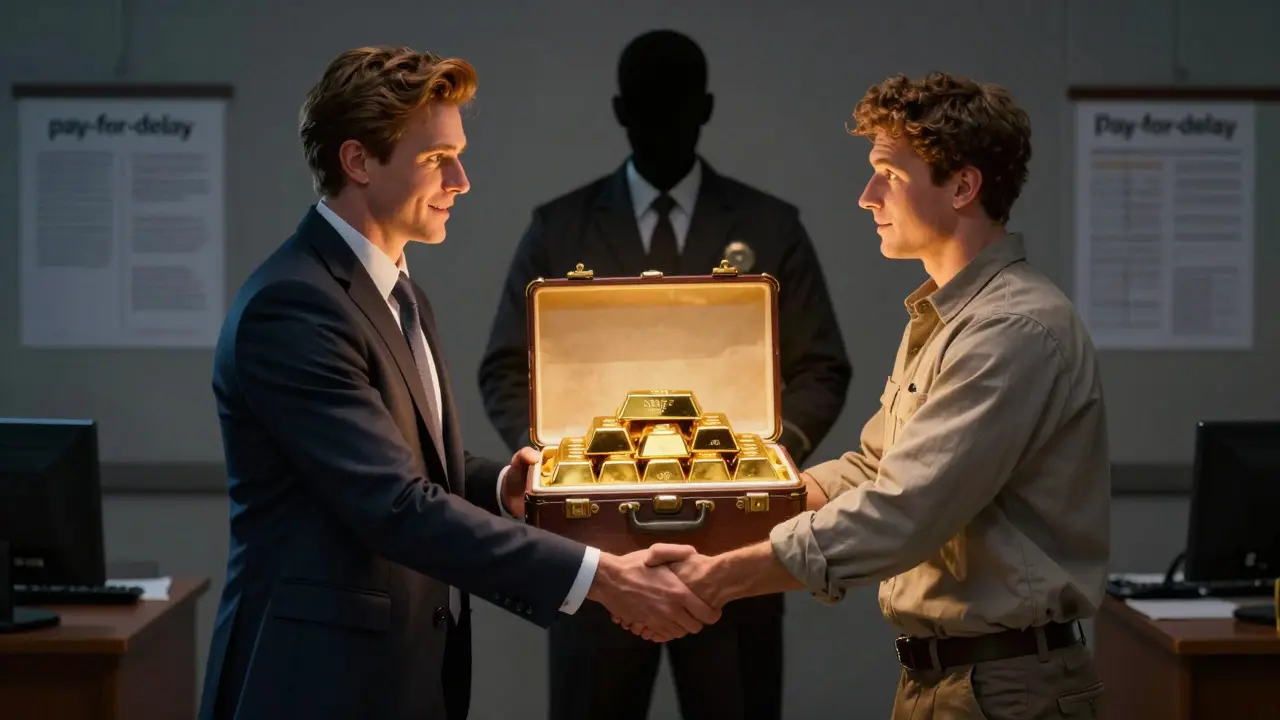
One of the most controversial practices in this space is known as "pay-for-delay." This occurs when a branded drug company pays a generic competitor to stay out of the market longer than expected. Instead of fighting over who has the better product or price, they split the profits. For antitrust regulators, this looks like classic collusion, but proving it is tricky because patents give companies a legal right to exclude competitors.
The turning point came in 2013 with the Supreme Court case FTC v. Actavis. The Court ruled that reverse payment settlements could violate antitrust laws if the payment was large and unexplained. Since then, enforcement has ramped up. A stark example is the Gilead Sciences case in 2023, where the company paid $246.8 million to settle allegations that it had thwarted generic competition for its HIV drugs. These settlements aren't just fines; they are admissions that the status quo wasn't serving the public interest. The Federal Trade Commission (FTC) has pursued 18 such cases between 2000 and 2023, resulting in over $1.2 billion in total settlements.
Tactical Delays: Product Hopping and Sham Petitions
Not every anti-competitive move involves a direct cash payment. Companies often use regulatory tactics to buy time. One common strategy is "product hopping." This happens when a manufacturer slightly modifies a drug's formulation-changing the color, adding an inactive ingredient, or switching from tablets to capsules-right before the patent expires. They then discontinue the old version, forcing patients to switch to the new one, which has a fresh patent clock.
A famous instance of this involved AstraZeneca and its acid-reducing drugs Prilosec and Nexium. As Prilosec's patent neared expiration, AstraZeneca pushed Nexium, a slightly modified version, into the market. While courts have sometimes dismissed these claims if the new product offers genuine benefits, critics argue it's a way to reset the exclusivity period without real innovation. Another tactic is filing "sham citizen petitions" with the FDA. Generics makers can challenge a brand's patent, but brands can also file petitions to block generic approvals based on technicalities. If these petitions lack scientific merit and are filed solely to delay entry, they may be considered anti-competitive under FTC scrutiny.
Global Perspectives: Different Rules, Similar Outcomes
While the U.S. focuses heavily on pay-for-delay, other jurisdictions tackle different aspects of the problem. In the European Union, the European Commission has looked closely at how companies misuse regulatory frameworks. For example, originator companies might make misleading statements to patent offices to extend protection periods or strategically withdraw marketing authorizations in specific countries to prevent generic entry. Commissioner Margrethe Vestager noted that delays in generic entry cost European consumers €11.9 billion annually.
China is rapidly evolving its approach too. In January 2025, China issued specific Antitrust Guidelines for the Pharmaceutical Sector. These guidelines identify five "hardcore restrictions" presumed to violate the Anti-Monopoly Law, including price fixing and output restrictions. Notably, Chinese authorities are now using AI technologies to monitor pricing trends and detect online collusion through messaging apps and algorithms. This shows that as markets become more digital, antitrust enforcement must adapt to catch hidden coordination among competitors.
| Region | Primary Enforcement Focus | Key Legal Mechanism/Court | Recent Example |
|---|---|---|---|
| United States | Pay-for-delay settlements, sham petitions | FTC v. Actavis (Supreme Court) | Gilead Sciences ($246.8M settlement, 2023) |
| European Union | Misuse of regulatory/patent frameworks | European Commission Guidelines | Strategic withdrawal of marketing authorizations |
| China | Price fixing, algorithmic collusion | Anti-Monopoly Law (2025 Guidelines) | Penalization of digital communication-based collusions |
The Real Cost: Impact on Patients and Prices
All this legal maneuvering has a tangible effect on your wallet and health. The Congressional Budget Office estimates that generic competition typically reduces prescription drug costs by 30% to 90% compared to branded prices. When that competition is delayed, those savings vanish. A 2022 survey by the Kaiser Family Foundation found that 29% of U.S. adults didn't take their medication as prescribed due to cost concerns. That isn't just a statistic; it represents people skipping doses, rationing pills, or choosing between food and medicine.
Moreover, the presence of multiple generic competitors matters. Research indicates that the entry of the first generic drug reduces prices by at least 20% within a year. However, it takes five generic competitors to drive nearly 85% of the total price decline. This means that even after the first generic enters, if only two or three companies are active, prices remain higher than they could be. Antitrust laws aim not just to allow one generic, but to foster a robust marketplace with many players.
Navigating the Future of Pharmaceutical Competition
The landscape is shifting. Regulators are getting smarter about detecting subtle forms of collusion, from algorithmic pricing to strategic regulatory filings. For businesses, the message is clear: legitimate patent enforcement is protected, but using patents as a shield against fair competition is increasingly risky. For consumers, staying informed about the legal battles happening in the background helps explain why some drugs stay expensive long after their patents should have expired.
As we move forward, the balance between rewarding innovation and ensuring access will continue to be tested. The tools exist-antitrust laws, regulatory oversight, and consumer advocacy-but they require constant vigilance. The next time you pick up a prescription, remember that the price tag reflects not just the chemistry, but the legal and competitive forces at play.
What is the main purpose of the Hatch-Waxman Act?
The Hatch-Waxman Act aims to balance incentives for pharmaceutical innovation with the promotion of generic competition. It allows for faster approval of generic drugs through the ANDA process while providing patent term restoration to branded manufacturers.
How does "pay-for-delay" affect drug prices?
Pay-for-delay agreements involve a branded company paying a generic competitor to delay market entry. This keeps the branded monopoly intact longer, preventing the significant price drops that typically occur when generic alternatives become available.
Why do generic drugs usually cost less than brand-name drugs?
Generic drugs don't need to repeat the costly research and development or clinical trials required for the original brand-name drug. They only need to prove bioequivalence, which lowers production costs and allows for lower retail prices.
What is "product hopping" in the context of antitrust law?
Product hopping is a strategy where a company introduces a slightly modified version of a drug before the original patent expires and then discontinues the old version. This can force patients to switch to the new product, effectively resetting the patent exclusivity period.
How much money do generic drugs save consumers annually?
Savings vary by year, but in 2012 alone, generic drugs saved U.S. consumers approximately $217 billion. Between 2005 and 2014, the total savings were estimated at $1.68 trillion.