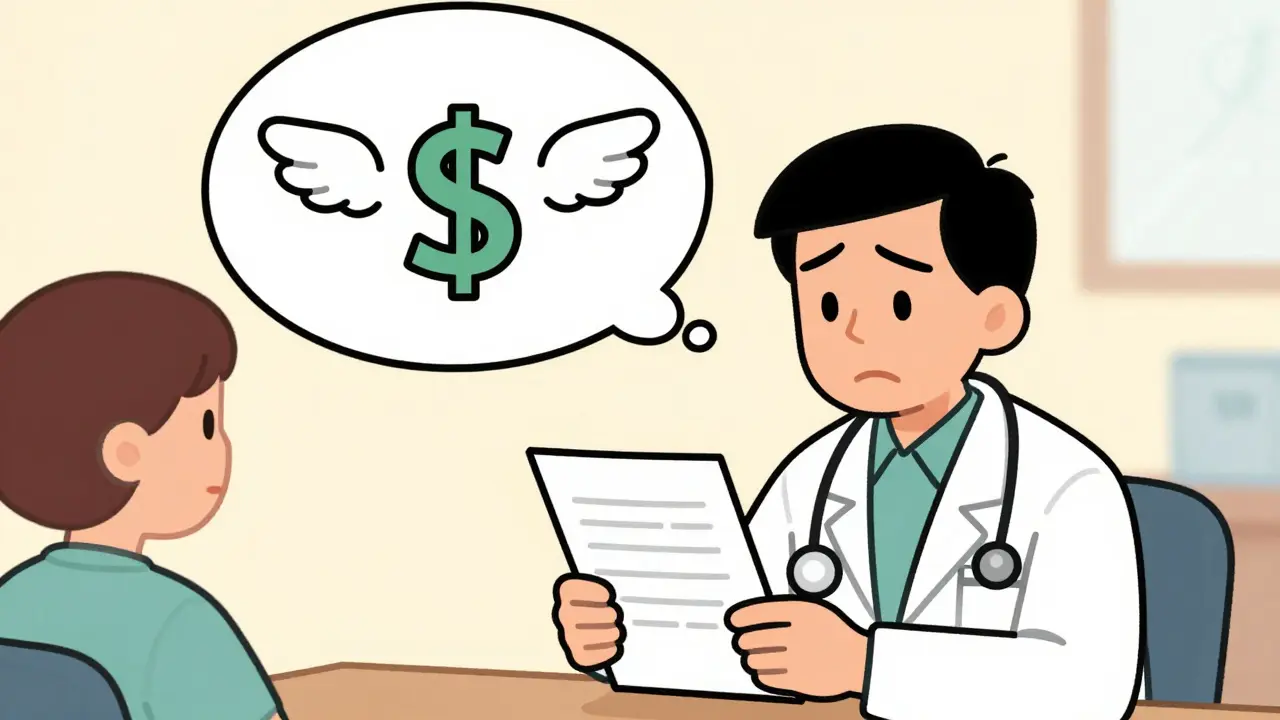
Imagine this scenario: You prescribe a life-saving medication to a patient. The clinical evidence is solid. The mechanism of action is perfect for their condition. But three months later, they haven’t filled the prescription. Why? Because the copay was $150 instead of $15.
This isn't just a billing error. It’s a failure in advocacy. As healthcare providers, we often focus entirely on the clinical efficacy of a drug while ignoring the economic reality that determines whether a patient actually takes it. Supporting appropriate generic use is not about cutting corners; it is about removing barriers to care. When you actively advocate for generic medications, you are directly improving health outcomes by ensuring affordability and access.
The Science Behind the Switch
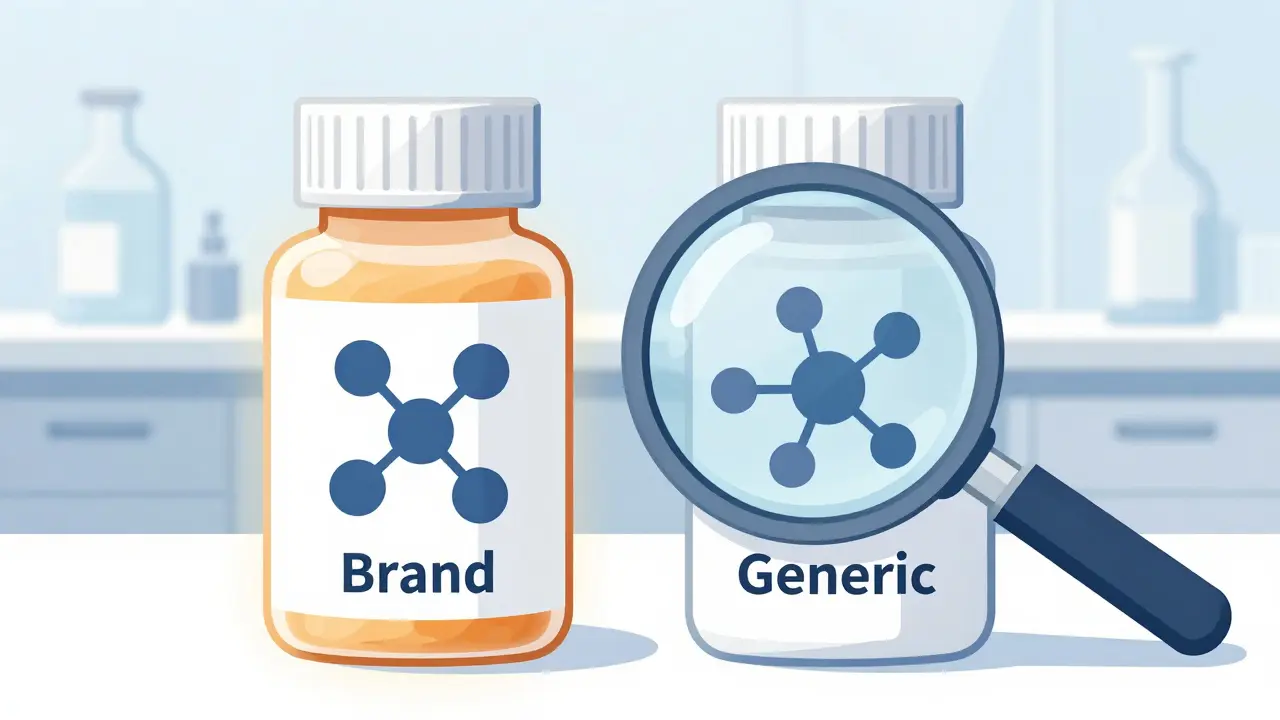
The biggest hurdle you will face is not medical-it is psychological. Patients often believe brand-name drugs are superior because they cost more. This perception persists despite decades of rigorous scientific data proving otherwise. To advocate effectively, you must first understand and then explain the science behind Bioequivalence, which is the regulatory standard requiring generic drugs to demonstrate similar absorption rates and extent as the reference listed drug.
When the FDA approves a generic, it requires pharmaceutical equivalence. This means the generic has the same active ingredient, dosage form, strength, and route of administration as the brand-name product. More importantly, it must meet strict bioequivalence standards. The confidence interval for the ratio of population geometric means must fall between 80% and 125% for both AUC (area under the curve) and Cmax (maximum concentration). In plain English? The generic works in the body at the same speed and to the same degree as the brand name.
You might hear patients ask, "But why does my pill look different?" This is where your expertise matters. Generic manufacturers can use different inactive ingredients-binders, fillers, or dyes-which change the color or shape of the tablet. However, these differences do not impact safety or efficacy unless a patient has a specific allergy to an inactive component. Explaining this distinction clearly dismantles the myth that "different looks like inferior."
The Economic Reality: Cost vs. Adherence
Let’s talk numbers, because money talks louder than medicine when it comes to compliance. According to data from the Association for Accessible Medicines (AAM), new patient abandonment rates are 266% higher for brand-name drugs compared to generic alternatives. That statistic is staggering. It means if you prescribe a brand-name drug without a compelling clinical reason, you are statistically tripling the risk that your patient will never start treatment.
Consider the copayment structure. Health plans and Pharmacy Benefit Managers (PBMs) design tiered systems where generics sit at the lowest cost tier. Data shows that 90% of generic copays are under $20, whereas only 39% of brand-name medications fall into that affordable range. For a patient living paycheck to paycheck, a $150 difference isn't just an inconvenience; it's a dealbreaker.
| Factor | Brand-Name Drug | Generic Drug |
|---|---|---|
| Average Copay Threshold | Often >$50 | Usually <$20 |
| Patient Abandonment Rate | High (Baseline) | Low (266% lower abandonment) |
| Market Share | ~10% of prescriptions | ~90% of prescriptions |
| Spending Share | ~77% of total spending | ~23% of total spending |
By prescribing generics whenever clinically appropriate, you aren't just saving the healthcare system money-you are saving your patient from financial toxicity. The American College of Physicians (ACP) formally recommended in 2022 that doctors prescribe generic medications whenever possible. This isn't just policy; it's ethical practice.
Communication Strategies That Work
Knowing the facts is half the battle. Communicating them effectively is the other half. Dr. Sarah Ibrahim of the FDA emphasizes that enhancing public literacy about generic medications is crucial to improving outcomes. So, how do you have this conversation without sounding like you're trying to save the hospital budget?
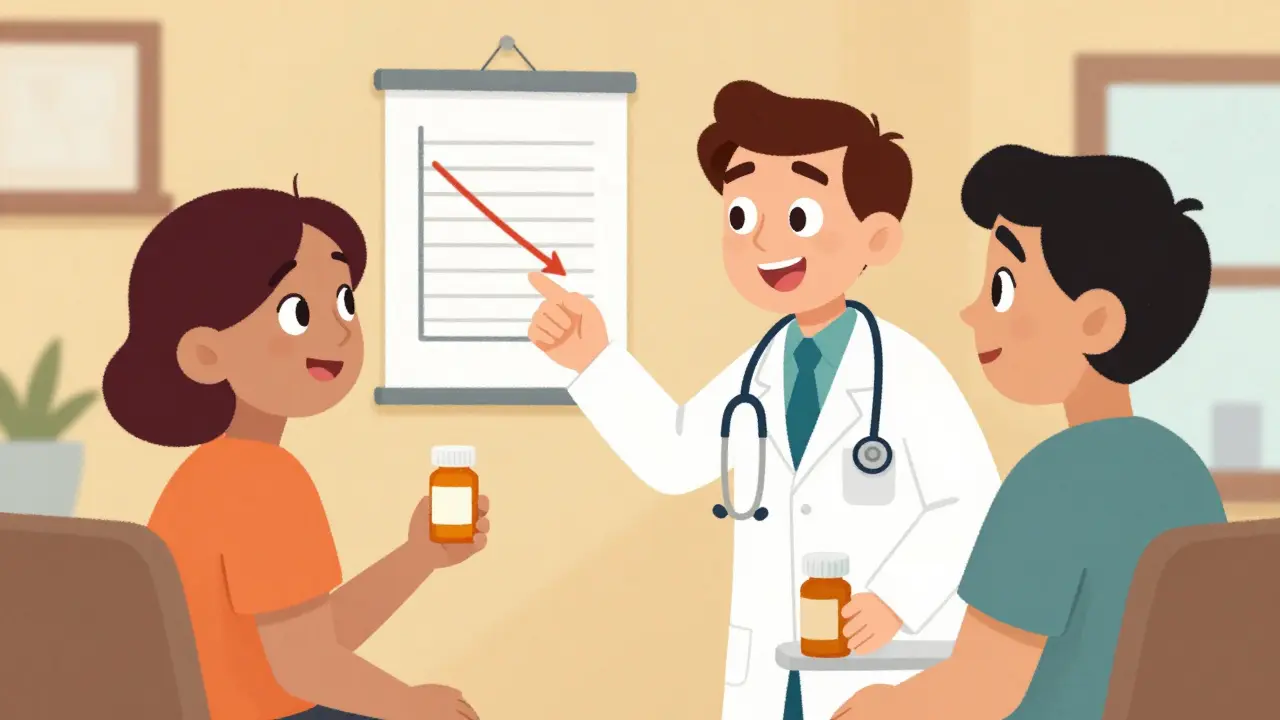
- Proactive Counseling: Don't wait for the patient to notice the pill looks different. Initiate the conversation. Say, "I'm prescribing the generic version of this medication. It contains the exact same active ingredient as the brand name but costs significantly less. You might notice the pill is a different color, but that’s just due to the filler material and doesn't affect how it works."
- Leverage Trust: Research published in PMC indicates that patient trust in their physician often overrules personal mistrust of generic medicines. If you present the generic option with confidence, your patient is likely to follow suit. Your endorsement acts as a multiplier for their acceptance.
- Connect Cost to Care: Explicitly link the savings to their health. "Taking this medication consistently is vital for managing your blood pressure. Since this generic option is much more affordable, I want to make sure you can keep taking it every day without worrying about the price."
Time is a constraint. Primary care physicians average only 13-16 minutes per patient visit. However, investing two minutes now to explain generic substitution saves hours later chasing down non-adherent patients or treating complications from untreated conditions.
Navigating Clinical Nuances and Exceptions
Advocacy for generics does not mean blind substitution. There are specific clinical scenarios where brand-name products remain necessary. The American Academy of Family Physicians (AAFP) opposes mandatory generic substitution precisely because therapeutic equivalence doesn't always translate to clinical interchangeability for every patient.
Be particularly cautious with Narrow Therapeutic Index (NTI) drugs. These are medications where small changes in blood levels can lead to serious adverse effects or loss of efficacy. Examples include warfarin, levothyroxine, and certain anti-seizure medications. While the AMCP opposes legislation restricting NTI generics, many clinicians prefer keeping stable patients on the same manufacturer to avoid any variability, however slight.
If a patient reports side effects after switching to a generic, listen carefully. Is it a true allergic reaction to an inactive ingredient? Or is it nocebo effect-the expectation of harm causing actual symptoms? Document these cases. They are valuable data points for future advocacy and help refine your communication strategy.
Overcoming Systemic Barriers
Sometimes, the barrier isn't the patient or the provider-it's the system. Prior authorizations (PA) for generic drugs create unnecessary delays. Studies show PA requirements increase time to therapy by 2.3 days on average. The AAFP supports the elimination of PAs for generic drugs to streamline access.
Additionally, recent market volatility has seen some generic drug prices rise sharply. The ASHP warned in March 2023 about serious public health consequences from rising generic prices for certain essential medications. Stay informed about local supply chain issues. If a specific generic is suddenly expensive or unavailable, know the alternatives. Flexibility is key to maintaining advocacy momentum.
Looking Ahead: Biosimilars and Beyond
The principles of generic advocacy extend beyond small-molecule drugs. The biosimilars market is growing rapidly, offering high-quality alternatives to complex biologic medications with price differentials exceeding 30%. Healthcare providers will face similar advocacy challenges here. The core message remains the same: rigorous science ensures safety and efficacy, while cost savings ensure access.
As electronic health records increasingly incorporate cost transparency tools, you will see alerts prompting generic substitutions at the point of prescribing. Use these tools. They are designed to support your clinical decision-making, not replace it. By embracing this technology, you position yourself as a modern, patient-centered advocate who understands both the art and the economics of medicine.
Are generic medications really as safe as brand-name drugs?
Yes. The FDA requires generic drugs to demonstrate bioequivalence, meaning they must work in the body in the same way and over the same amount of time as the brand-name drug. They contain the same active ingredients and meet the same rigorous quality standards.
Why do generic pills look different from brand-name ones?
Generic manufacturers can use different inactive ingredients, such as binders, fillers, or dyes, which affect the pill's color, shape, or size. These differences do not impact the drug's safety or effectiveness unless the patient has a specific allergy to an inactive component.
When should I NOT prescribe a generic medication?
You should exercise caution with Narrow Therapeutic Index (NTI) drugs, such as warfarin or levothyroxine, where small changes in dosage can have significant clinical effects. Additionally, if a patient experiences adverse reactions to a specific generic's inactive ingredients, sticking to the brand name or a different generic manufacturer may be necessary.
How does prescribing generics improve patient adherence?
Cost is a major barrier to medication adherence. Data shows that patient abandonment rates are 266% higher for brand-name drugs due to higher copays. By prescribing affordable generics, you remove financial obstacles, making it more likely patients will fill and continue their prescriptions.
What is the role of pharmacists in generic advocacy?
Pharmacists play a critical role in patient education and counseling. They can explain the benefits of generics, address concerns about appearance differences, and ensure patients understand how to take their medication correctly. Their direct interaction with patients enhances drug literacy and usability.