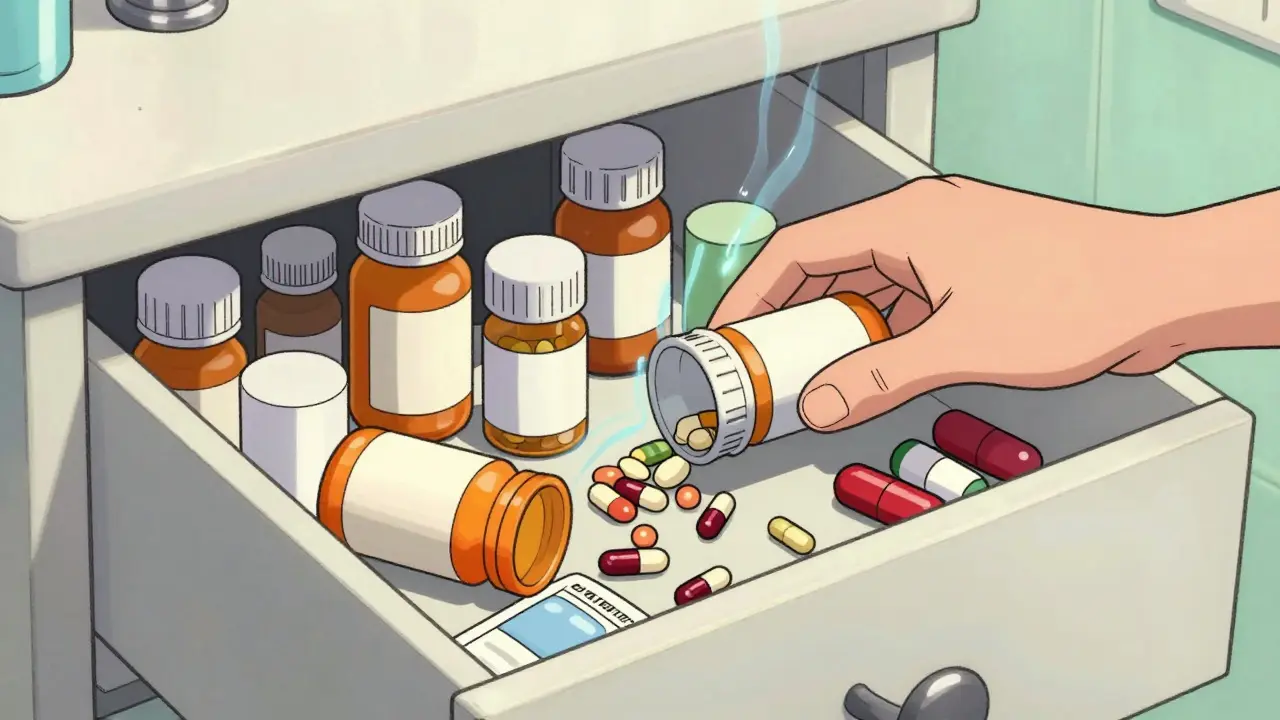
Think about that drawer in your bathroom cabinet. It’s likely stuffed with expired antibiotics, leftover painkillers, and bottles you haven’t touched since a trip to the doctor last year. When those pills finally run out or expire, what do you do? For many people, the easiest route is the sink or the toilet. But that convenience comes with a hidden cost that extends far beyond your home.
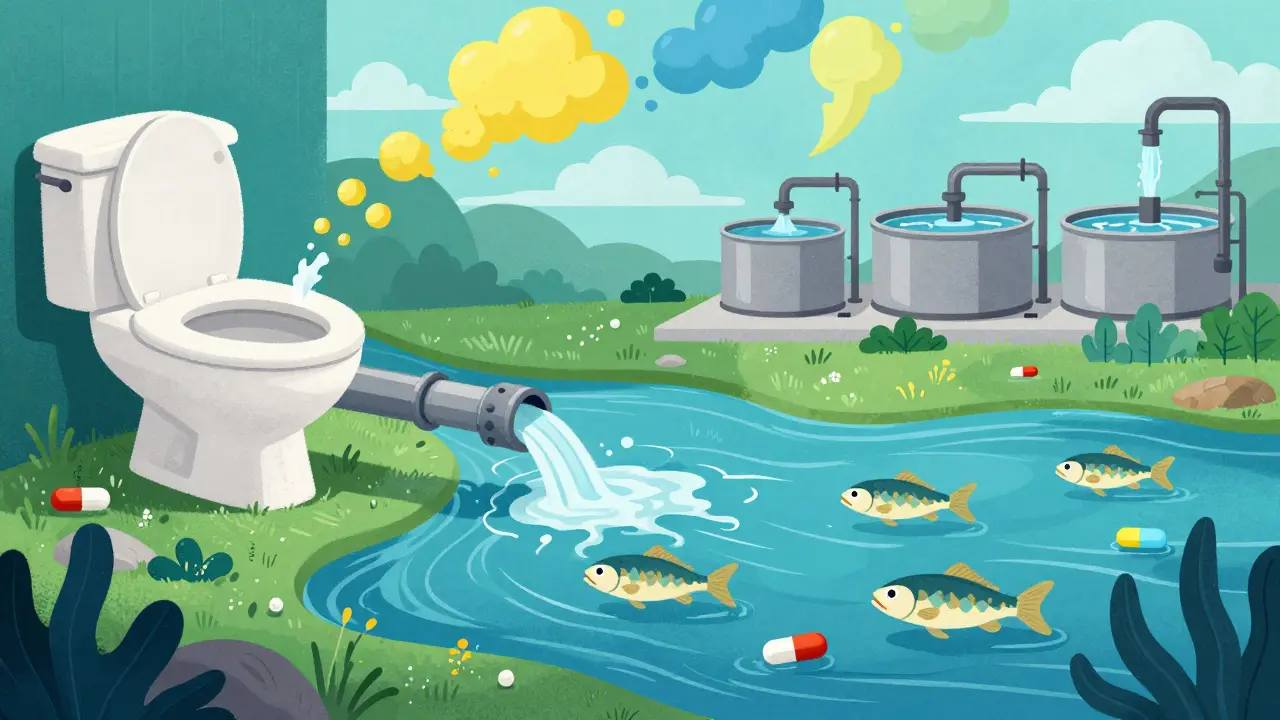
Flushing medications isn't just a bad habit; it's a direct pipeline for chemical pollution into our waterways. Every time you flush a pill, you're sending active pharmaceutical ingredients (APIs) straight into the wastewater system. These plants are designed to remove solids and bacteria, not dissolved drugs. The result is a steady stream of contaminants entering rivers, lakes, and eventually, our drinking water supplies. This article breaks down why this happens, the real damage it causes to ecosystems, and the practical steps you can take right now to dispose of medicines safely.
The Hidden Pathway: How Drugs Enter Our Water
To understand the problem, we need to look at how pharmaceutical pollution actually works. It’s not just about flushing. While throwing unused pills down the drain is a major contributor, it’s only part of the story. The U.S. Geological Survey found traces of hundreds of pharmaceuticals in 80% of the waterways they tested across 30 states back in 2002. That study was a wake-up call.
Here is the reality: when you take medication, your body doesn't absorb everything. Only about 20-30% of an active ingredient is fully utilized by your system. The rest is excreted through urine and feces. This means that even if you never flush a single pill, you are still contributing to the load of drugs in the water via natural biological processes. However, improper disposal-flushing or trashing-adds a concentrated, unnecessary spike to that baseline contamination.
Conventional wastewater treatment plants are simply not built to handle this. They filter out physical waste and kill pathogens, but they lack the technology to break down complex chemical structures found in modern drugs. As a result, compounds like acetaminophen, ibuprofen, and various antibiotics pass right through the treatment process and exit into local waterways as treated effluent.
The Ecological Toll on Aquatic Life
You might wonder if these tiny traces of medicine really matter. The concentrations are often measured in nanograms per liter-a billionth of a gram. To us, that sounds negligible. But for aquatic life living in that water 24/7, it’s a constant exposure to foreign chemicals.
The most documented effects involve endocrine disruption. Estrogens from birth control pills and hormone therapies have been linked to sexual abnormalities in fish populations. Scientists have observed male fish developing female characteristics, which disrupts breeding cycles and threatens population stability. Similarly, steroids and other hormones can interfere with the development of amphibians and other sensitive species.
Then there’s the issue of antibiotic resistance. When antibiotics like ciprofloxacin persist in the environment, they create a pressure cooker for bacteria. Bacteria exposed to low levels of antibiotics over time can evolve defenses against them. This contributes to the broader public health crisis of superbugs, where common infections become harder to treat. It’s a cycle that starts in our medicine cabinets and ends in our hospitals.
Landfill vs. Flush: Which Is Worse?
If flushing is so bad, should we just throw everything in the trash? It’s a common dilemma. Disposing of medications in solid waste sends them to landfills. Here, rainwater can leach through the trash, picking up pharmaceutical residues and carrying them into groundwater or soil systems. Studies have shown shockingly high concentrations of drugs in landfill leachate, including acetaminophen levels reaching 117,000 ng/L.
However, experts generally agree that flushing is the more immediate threat to surface water quality. Landfills offer some containment, whereas flushing releases drugs directly into the water cycle with no barrier. That said, neither option is ideal. The goal is to keep medications out of both streams entirely.
| Method | Environmental Impact | Safety Risk (Diversion) | Recommendation |
|---|---|---|---|
| Flushing | High (Immediate water contamination) | Low (Prevents misuse) | Avoid unless on FDA Flush List |
| Trash/Garbage | Moderate (Leachate risk) | High (Risk of theft/misuse) | Use only with proper mixing/sealing |
| Take-Back Programs | Lowest (Secure incineration) | Lowest (Secure handling) | Best Practice |
The Exception: The FDA Flush List
There is one exception to the "never flush" rule. The FDA maintains a specific list of medications that pose such a high risk of accidental poisoning or overdose if left in the home that they recommend flushing them immediately. This list includes potent opioids like fentanyl, oxycodone, and certain muscle relaxants.
The logic here is a trade-off. The immediate danger to human life from a child or pet finding these drugs outweighs the long-term environmental risk of flushing them. If you have medications on this specific list, follow the package instructions or consult the FDA website. For all other common medications-antibiotics, blood pressure meds, antidepressants, pain relievers-flushing is strongly discouraged.
Practical Solutions: Take-Back and Home Disposal
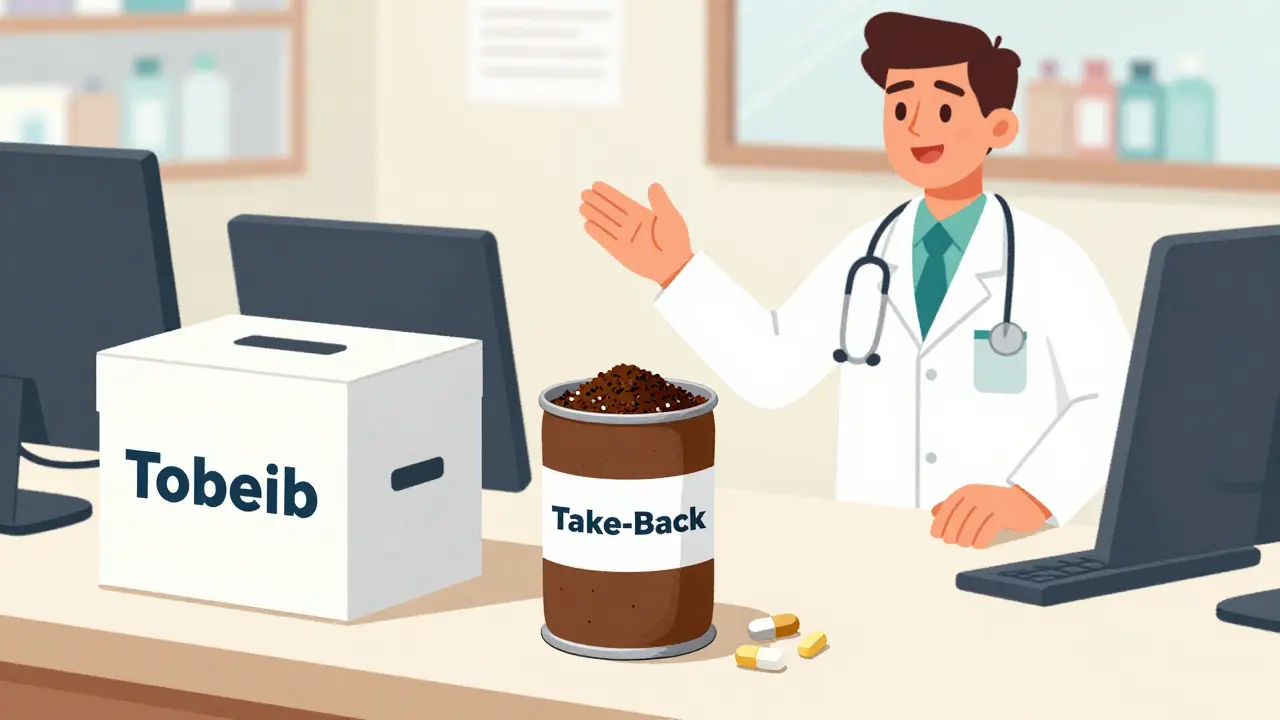
The gold standard for disposal is using a medication take-back program. These programs collect unused drugs and destroy them securely, usually through incineration, ensuring they never enter the water or soil. In the United States, the DEA organizes National Prescription Drug Take Back Days twice a year, where law enforcement agencies set up collection boxes. Many pharmacies and hospitals also have permanent drop-off kiosks.
If you don’t have access to a take-back location, the EPA recommends a simple home disposal method:
- Mix the medications with an unappealing substance like used coffee grounds, cat litter, or dirt. This makes them less recognizable and discourages tampering.
- Place the mixture in a sealed container, such as a coffee can or a plastic bag with tape.
- Throw the container in your household trash.
This method minimizes the risk of diversion while reducing the likelihood of the drugs leaching quickly into the environment compared to loose pills. It’s not perfect, but it’s significantly better than flushing.
Reducing Waste Before It Starts
The best way to solve the disposal problem is to prevent excess medication in the first place. A significant portion of pharmaceutical waste comes from patients who stop taking prescribed courses early or stockpile old prescriptions. Work with your doctor to prescribe smaller quantities initially. Ask if you can refill only when needed rather than getting a three-month supply upfront. Check your cabinet every six months and identify what needs to be disposed of before it expires.
By taking small steps, you protect the local ecosystem and reduce the burden on wastewater infrastructure. It’s a shared responsibility that starts with awareness.
Is it safe to pour liquid medications down the drain?
Generally, no. Liquid medications should be treated the same as pills. Mix them with an unpalatable substance like coffee grounds or kitty litter, seal them in a container, and dispose of them in the trash. Do not pour liquids down the sink or toilet unless specifically instructed by the label for high-risk drugs.
Where can I find a medication take-back site near me?
You can use the DEA’s Controlled Substance Locator tool online to find permanent collection sites and upcoming take-back events in your area. Many large pharmacy chains also participate in take-back programs, so calling your local pharmacy is a good first step.
Do expired medications lose their potency before being disposed of?
Yes, medications lose effectiveness over time, but they can still retain enough active ingredients to cause harm to wildlife or humans if misused. Even if a drug is ineffective for treatment, it remains chemically active in the environment, so proper disposal is essential regardless of expiration date.
What happens to medications collected in take-back programs?
Collected medications are typically transported to secure facilities where they are destroyed through high-temperature incineration. This process ensures that the active pharmaceutical ingredients are completely broken down and do not re-enter the environment.
Can wastewater treatment plants filter out drugs?
Standard treatment plants are not designed to remove dissolved pharmaceutical compounds. While advanced technologies like ozone treatment and activated carbon filtration can remove up to 95% of these contaminants, they are expensive and not yet widely implemented in municipal systems.