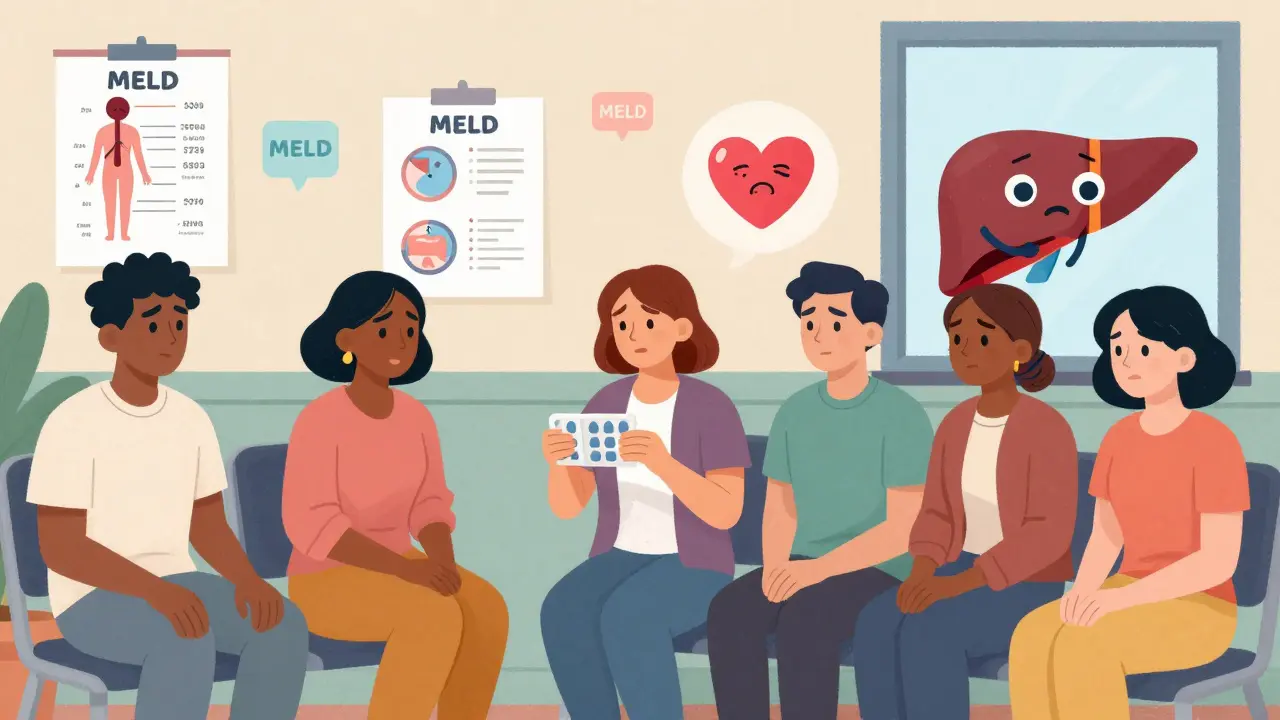
What Is a Liver Transplant, and Who Needs One?
A liver transplant isn’t just another surgery-it’s a second chance at life for people with end-stage liver disease. When the liver fails and no other treatment can help, replacing it with a healthy one is the only option that offers long-term survival. This procedure has come a long way since the first successful transplant in 1967. Today, about 8,000 liver transplants happen each year in the U.S. alone, and 85% of patients are alive one year after surgery. That number drops to about 70% at five years, but for many, it means going back to work, traveling, or watching their kids grow up.
The main reasons people need a transplant include cirrhosis from alcohol, hepatitis C or B, non-alcoholic fatty liver disease (NAFLD), and liver cancer. Non-alcoholic steatohepatitis (NASH), a severe form of fatty liver tied to obesity and diabetes, is now responsible for 18% of all transplants-up from just 3% in 2010. That shift alone shows how lifestyle-related liver damage is changing who needs help.
Who Can Get a Liver Transplant? The Real Eligibility Rules
Not everyone with liver disease qualifies. The process starts with a full evaluation at a transplant center, which can take 3 to 6 months and involve 15 to 20 appointments. Doctors check your heart, lungs, kidneys, and mental health. They look at your ability to follow complex medical advice, your support system, and whether you’re still using alcohol or drugs.
Active alcohol or drug use is an automatic disqualifier. Most centers require at least six months of sobriety before listing, though some experts argue that three months may be enough. A 2023 study from Yale found no big difference in survival rates between patients who stopped drinking for three versus six months. Still, policies vary by center, and many patients report inconsistent rules-especially on online forums like Reddit’s r/liverdisease.
For liver cancer, there are strict limits. If you have hepatocellular carcinoma (HCC), you must meet the Milan criteria: one tumor under 5 cm, or up to three tumors, each under 3 cm, with no spread to blood vessels. If your alpha-fetoprotein (AFP) blood marker is over 1,000 and doesn’t drop below 500 after treatment, you’re usually not eligible unless you get special approval.
Psychosocial factors matter just as much as medical ones. Do you have someone to help you take meds? Can you afford transportation to weekly lab visits? Are you housed? Transplant teams rely on social workers to answer these questions. One patient in California credited her approval to a social worker who helped her find stable housing and ride-share vouchers.
How the Surgery Works: From Removal to Reconnection
The surgery itself is long and complex-usually 6 to 12 hours. Surgeons remove your damaged liver, wait for the new one to arrive, then connect the blood vessels and bile ducts. Most use the "piggyback" technique, where the big vein (inferior vena cava) from your body stays in place. This reduces bleeding and speeds recovery.
If you’re getting a liver from a deceased donor, you’re on a national waiting list ranked by your MELD score. That score, calculated from blood tests, tells doctors how sick you are in the next three months. It ranges from 6 (mild) to 40 (critical). Higher scores mean higher priority. But wait times vary wildly. In the Midwest, patients with a MELD score of 25-30 wait about 8 months. In California, the same person might wait 18 months.
Living donor transplants are an alternative. A healthy person-usually a family member-donates part of their liver. The donor’s liver regrows in weeks. The recipient gets a transplant faster, often within 3 months instead of over a year. But it’s not risk-free. Donors face a 0.2% chance of death and a 20-30% risk of complications like infection or bile leaks. Still, centers like Columbia University are pushing boundaries: they now consider donors up to age 60 and BMI 35, with success rates matching traditional donors.
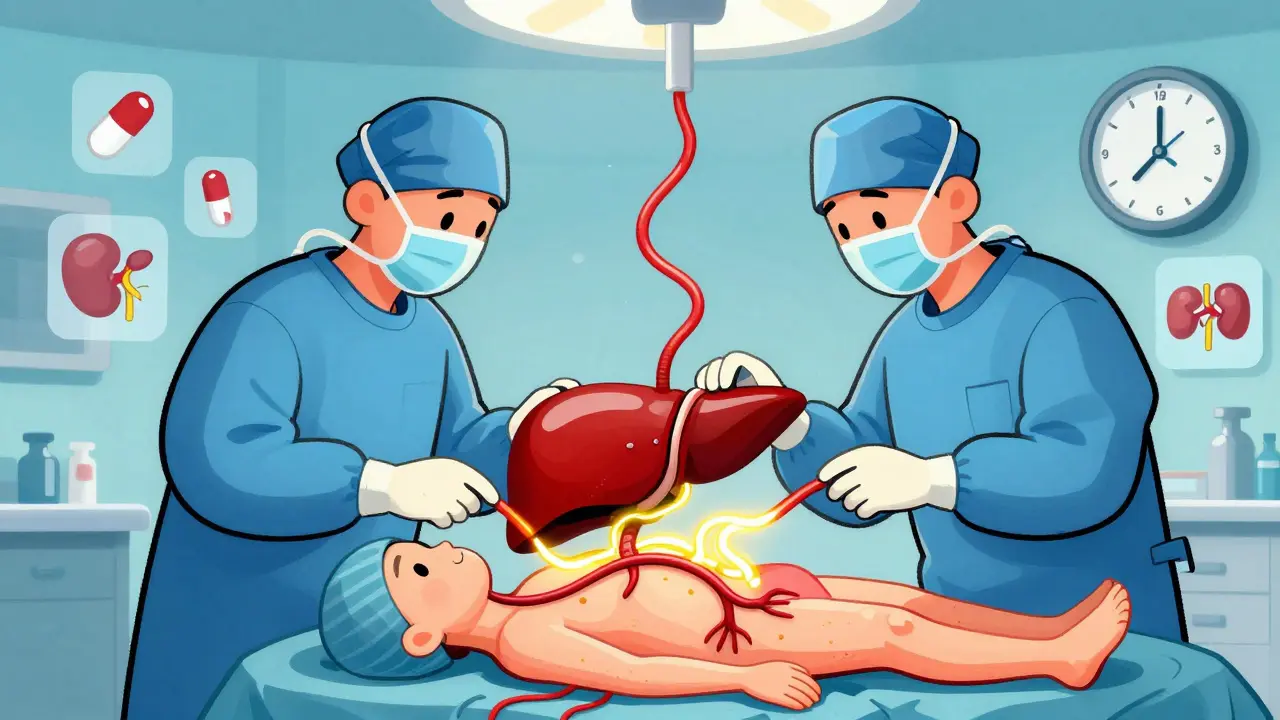
What Happens After Surgery: Immunosuppression and Lifelong Care
Your new liver is a gift-but your body doesn’t know that. It sees the new organ as an invader and tries to attack it. That’s why you need immunosuppressants, drugs that quiet your immune system. You’ll take them for life.
Most patients start with a triple combo: tacrolimus, mycophenolate, and prednisone. Tacrolimus is the backbone-it keeps rejection at bay. Doctors aim for blood levels of 5-10 ng/mL in the first year, then lower it to 4-8 ng/mL. Mycophenolate stops immune cells from multiplying. Prednisone, a steroid, reduces inflammation but causes weight gain, bone loss, and diabetes. That’s why 45% of U.S. centers now use steroid-sparing protocols, dropping prednisone after 30 days. This cuts diabetes risk from 28% to 17%.
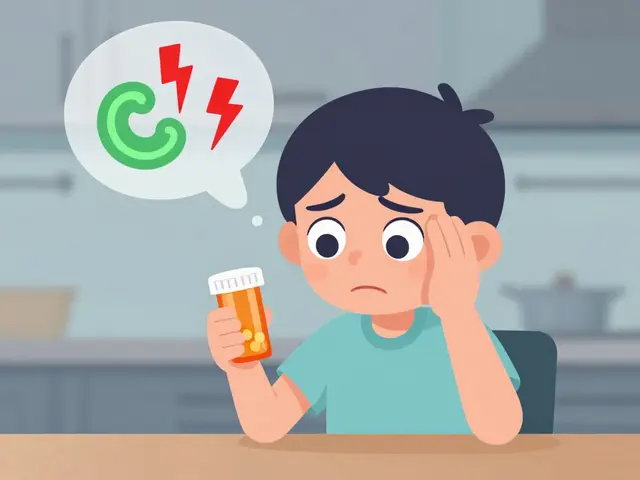
Side effects are real. One in three people develop kidney damage from tacrolimus by year five. One in four get diabetes. One in five get shaky hands or trouble sleeping. Mycophenolate causes nausea in 30% and lowers blood cell counts in 10%. Regular blood tests are non-negotiable. In the first three months, you’ll need weekly labs. After a year, you’ll still need them every three months.
Rejection happens in about 15% of patients within the first year. Signs include fever above 100.4°F, yellowing skin, dark urine, or extreme fatigue. If caught early, it’s often fixed by adjusting tacrolimus or adding sirolimus. But if ignored, rejection can destroy the new liver.
Living With a New Liver: Costs, Compliance, and Daily Life
Getting the transplant is only half the battle. The other half is staying alive with it. Medications cost $25,000 to $30,000 a year-before complications. Insurance often denies coverage for pre-transplant tests, and 32% of candidates report being turned down. That’s why some people delay or drop out of the process.
Compliance is everything. Missing even a few doses of tacrolimus can trigger rejection. Studies show you need 95%+ adherence to survive long-term. That means alarms, pill organizers, and someone to remind you. Many transplant centers assign a dedicated coordinator-patients at these centers have 87% one-year survival versus 82% at centers without one.
Life after transplant isn’t normal, but it’s full. You can’t eat raw fish or undercooked meat. You avoid crowded places during flu season. You get annual skin checks because immunosuppressants raise skin cancer risk. But you can walk your dog, go to your grandkid’s soccer game, or finally take that trip you postponed for years.
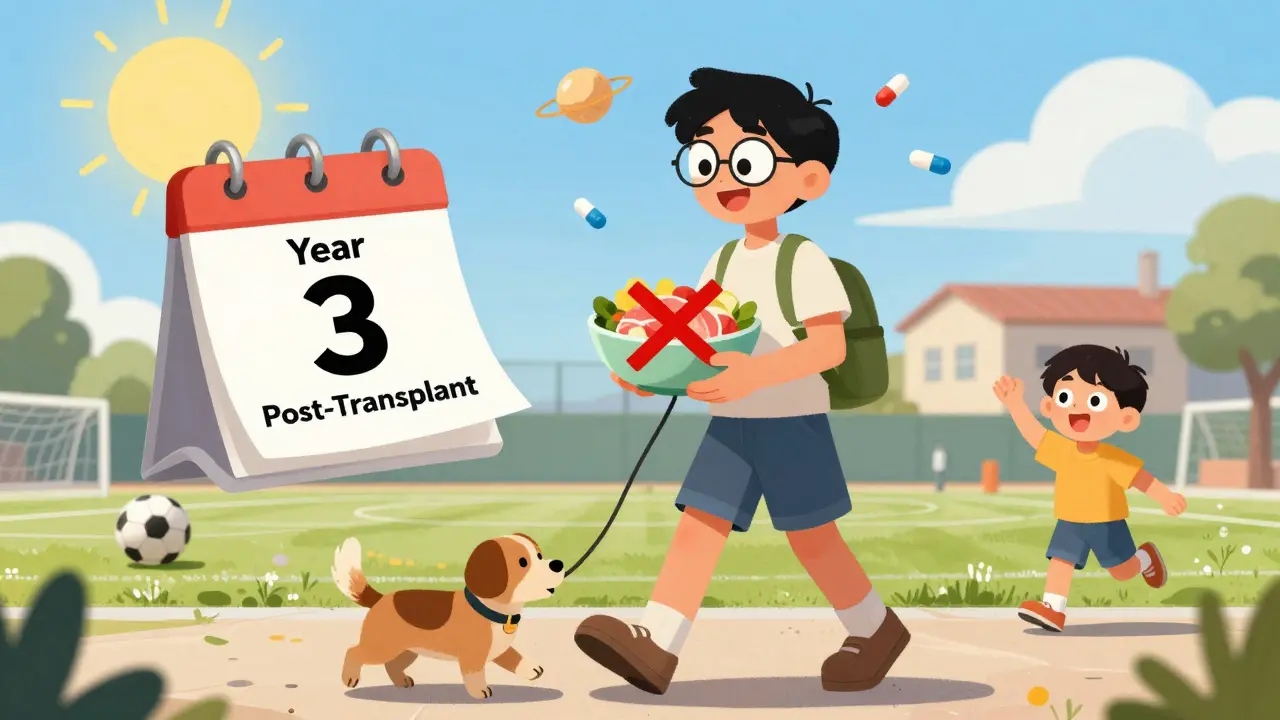
What’s Changing in Liver Transplantation?
The field is evolving fast. In June 2023, the FDA approved a portable liver perfusion device that keeps donor livers alive outside the body for up to 24 hours-double the old limit. This means better organs from donors who previously wouldn’t have qualified.
Researchers are also testing ways to stop immunosuppression entirely. At the University of Chicago, 25% of pediatric transplant recipients were able to stop all drugs by age five using a special cell therapy. If this works in adults, it could change everything.
Equity is another big focus. In British Columbia, a 2025 policy change now includes cultural support for Indigenous patients, adjusting abstinence rules and adding traditional healers to the care team. And new MELD-Na rules now factor in sodium levels for people with fluid buildup, helping more patients get priority.
One thing won’t change: there aren’t enough livers. Every day, people die waiting. That’s why living donation, better organ preservation, and smarter allocation systems matter more than ever.
Final Thoughts: It’s Not Just a Surgery-It’s a New Beginning
A liver transplant isn’t a cure. It’s a lifelong commitment. But for those who make it through, it’s the difference between a hospital bed and a front porch. Between exhaustion and energy. Between watching your children grow up from a wheelchair-or from the stands.
The rules are strict. The drugs are heavy. The wait is long. But the outcome? For tens of thousands of people, it’s worth every step.



Gary Mitts
February 1, 2026 AT 17:47jay patel
February 3, 2026 AT 04:42Ansley Mayson
February 4, 2026 AT 22:00Hannah Gliane
February 6, 2026 AT 14:14Murarikar Satishwar
February 7, 2026 AT 21:35Ellie Norris
February 9, 2026 AT 05:17Marc Durocher
February 9, 2026 AT 21:29Akhona Myeki
February 10, 2026 AT 20:01Chinmoy Kumar
February 11, 2026 AT 05:14Brett MacDonald
February 12, 2026 AT 02:58Sandeep Kumar
February 12, 2026 AT 09:28clarissa sulio
February 14, 2026 AT 07:53Bridget Molokomme
February 14, 2026 AT 10:12Brittany Marioni
February 15, 2026 AT 03:34Monica Slypig
February 16, 2026 AT 07:01