
Menopause HRT Suitability & Symptom Checker
Medical History Check
Select any conditions that apply to you to check if systemic HRT might be suitable.
Your Assessment
Please select your symptoms and medical history factors, then click "Check Suitability".
Delivery Method Comparison
Compare how different HRT delivery methods affect the body based on the article data.
| Method | Pros | Cons / Side Effects | Best For |
|---|---|---|---|
| Oral Tablets | Convenient, widely available | Higher clot risk, nausea, liver strain | Women without clotting risks who prefer daily routine |
| Transdermal Patches/Gels | Bypasses liver, lower clot risk, steady levels | Skin irritation, visible patch, cost | Women with high clot risk, nausea, or liver concerns |
| Vaginal Creams/Rings | Localized treatment, minimal systemic absorption | Does not treat hot flashes, application messiness | Women with only vaginal dryness or urinary issues |
Hot flashes don't just ruin your sleep; they can also change how your body reacts to the medicine you take. If you are navigating menopause, you might notice that a medication that used to work perfectly suddenly causes nausea, headaches, or unexpected bleeding. This isn't in your head. The dramatic drop in estrogen, which is a key female sex hormone that regulates the menstrual cycle and reproductive tissues during this life stage alters your metabolism, blood pressure, and sensitivity to drugs. Understanding these shifts is crucial for managing both menopausal symptoms and chronic conditions safely.
Many women assume that starting Hormone Replacement Therapy (HRT), which is medical treatment using hormones to alleviate menopausal symptoms by replacing those no longer produced by the body will fix everything instantly. While it often does help with hot flashes and vaginal dryness, it introduces its own set of side effects. More importantly, menopause changes how your liver processes drugs, meaning dosages for anxiety, pain, or heart health may need adjustment. This guide breaks down what changes, why they happen, and how to manage them without stopping your care.
How Menopause Changes Drug Metabolism
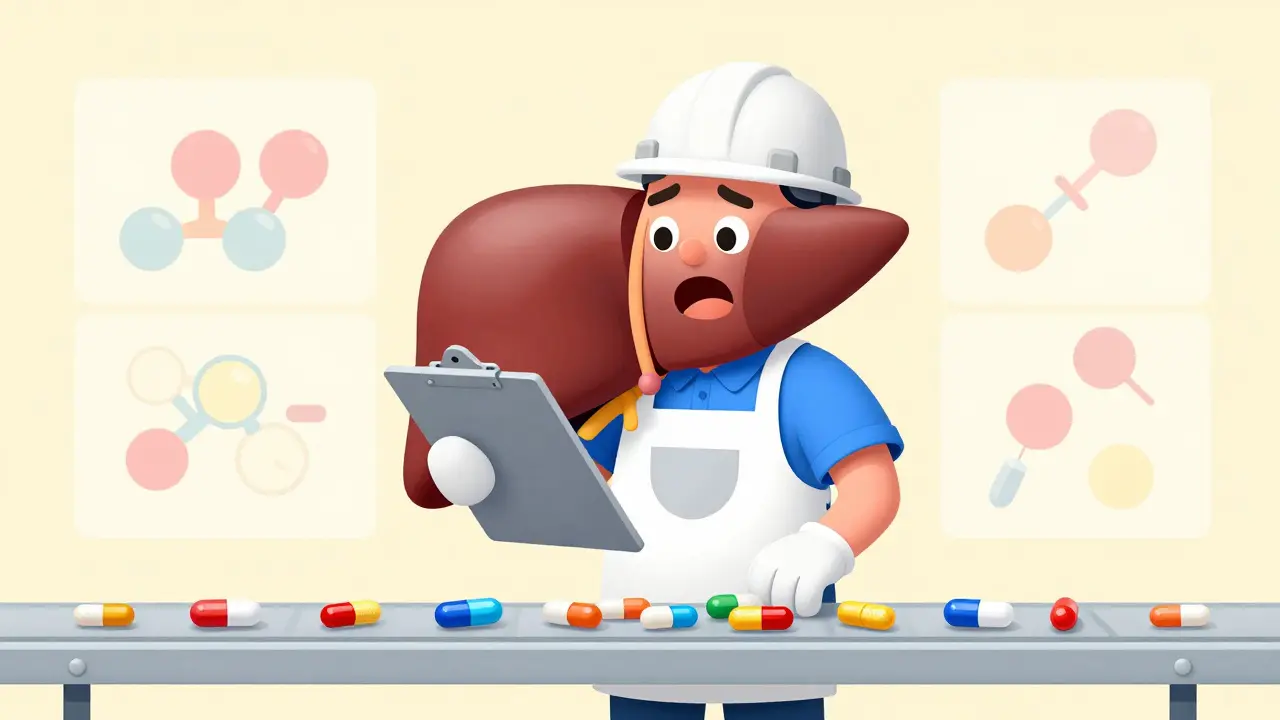
Your liver is the factory that breaks down most medications. Estrogen plays a significant role in regulating liver enzymes. When estrogen levels plummet during perimenopause and menopause, the efficiency of these enzymes changes. For some drugs, this means they stay in your system longer, increasing the risk of side effects. For others, they break down too quickly, making the medication less effective.
This metabolic shift affects common prescriptions. For example, benzodiazepines used for anxiety or insomnia may have a prolonged effect because the liver clears them more slowly. Similarly, certain antidepressants like selective serotonin reuptake inhibitors (SSRIs) might require dose adjustments. A study published in the Journal of Women's Health noted that women over 50 often experience heightened sensitivity to central nervous system depressants. If you feel 'out of it' or unusually drowsy after taking a familiar medication, your changing hormone profile could be the culprit, not the drug itself.
Blood pressure regulation also shifts. Without estrogen's protective effect on blood vessels, many women see their blood pressure rise for the first time. If you are already on antihypertensive medication, your doctor may need to increase the dosage or switch classes of drugs to maintain control. Ignoring this change can lead to unmanaged hypertension, which raises the risk of stroke and heart disease.
HRT Side Effects: What to Expect
If your doctor prescribes HRT to manage severe symptoms, you need to know the potential trade-offs. The goal is to improve quality of life, but the body must adjust to the reintroduction of hormones. According to the American College of Obstetricians and Gynecologists (ACOG), side effects are common initially but often subside as the body adapts.
- Vaginal Spotting or Bleeding: This occurs in 30-50% of users, especially in the first six months. It is usually harmless but should be reported if it persists.
- Breast Tenderness: About 20-30% of women report temporary soreness. Switching from oral pills to transdermal patches can sometimes mitigate this by providing steadier hormone levels.
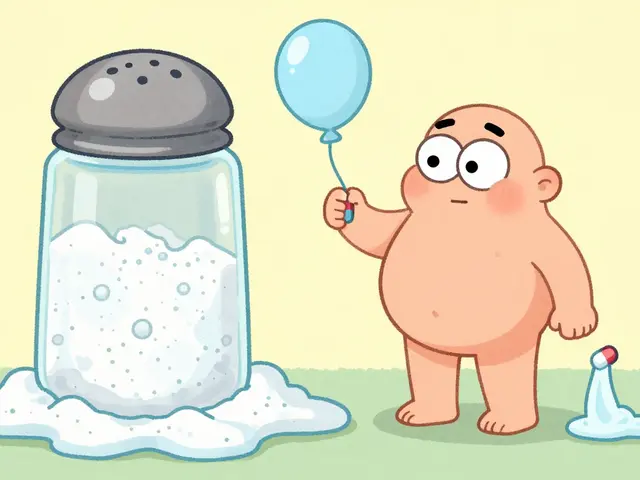
- Bloating and Fluid Retention: Affecting 15-25% of users, this can cause weight fluctuation and discomfort. Reducing salt intake and staying active helps manage this.
- Headaches: Experienced by 10-20% of users, often due to hormonal fluctuations. These typically resolve within a few cycles.
It is vital to distinguish between temporary adjustment side effects and warning signs. Nausea, mood swings, and leg cramps are generally mild and fade. However, severe abdominal pain, sudden vision changes, or chest pain require immediate medical attention as they could signal blood clots or other serious conditions.
Risk Factors: Who Should Avoid HRT?
HRT is not suitable for everyone. The U.S. Food and Drug Administration (FDA) and major health organizations warn against systemic hormone therapy for women with specific histories. The risks outweigh the benefits if you have:
- A history of breast cancer or endometrial cancer.
- Unexplained vaginal bleeding.
- Active or past history of blood clots (deep vein thrombosis or pulmonary embolism).
- Recent stroke or heart attack.
- Severe liver disease.
For these groups, non-hormonal alternatives are safer. Selective serotonin reuptake inhibitors (SSRIs) like paroxetine can reduce hot flashes by 50-60%. Gabapentin, originally an anti-seizure medication, reduces hot flashes by 45% in many patients. Discussing your full medical history ensures you avoid treatments that could trigger serious complications.
Delivery Methods Matter: Pills vs. Patches
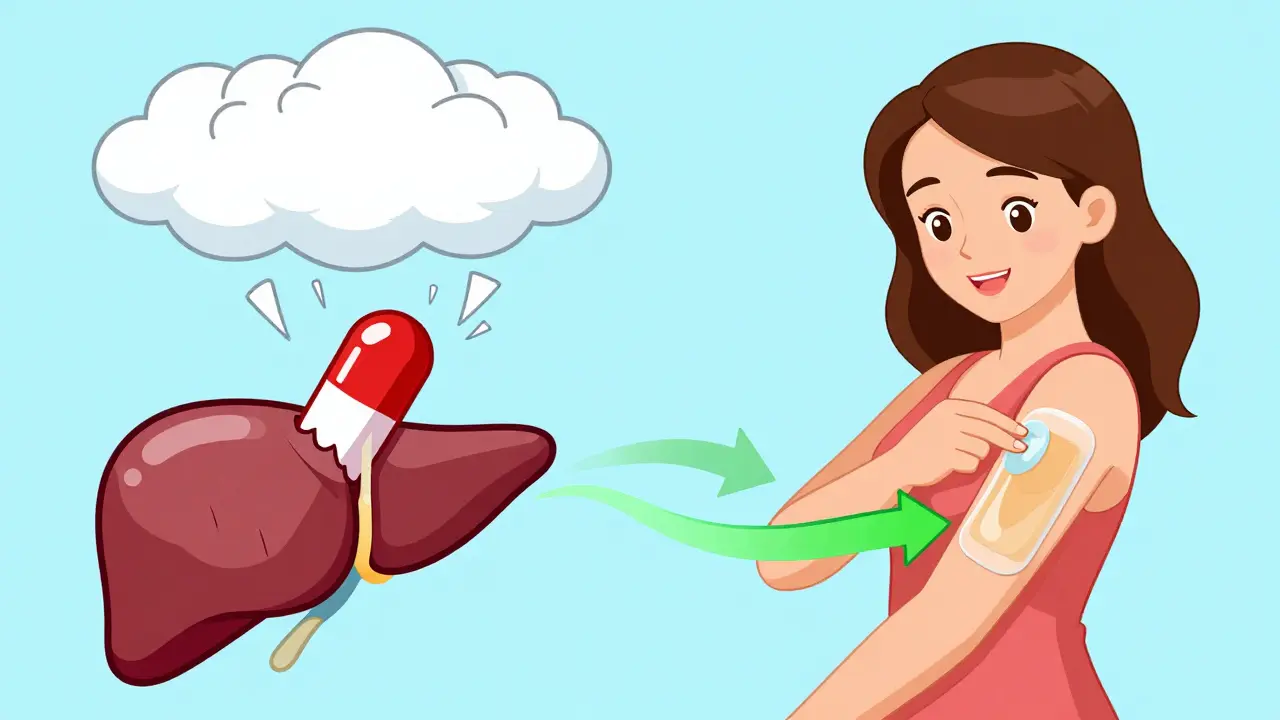
The way you take your hormones significantly impacts side effects and risks. Oral estrogen passes through the liver first (the 'first-pass effect'), which can increase the production of clotting factors and raise triglyceride levels. This is why oral HRT carries a higher risk of blood clots compared to transdermal options.
| Method | Pros | Cons/Side Effects | Best For |
|---|---|---|---|
| Oral Tablets | Convenient, widely available | Higher risk of blood clots, nausea, liver strain | Women without clotting risks who prefer daily routine |
| Transdermal Patches/Gels | Bypasses liver, lower clot risk, steady levels | Skin irritation, visible patch, cost | Women with high clot risk, nausea, or liver concerns |
| Vaginal Creams/Rings | Localized treatment, minimal systemic absorption | Does not treat hot flashes, application messiness | Women with only vaginal dryness or urinary issues |
If you experience gastrointestinal side effects from pills, ask your doctor about switching to a patch or gel. A 2022 study in BJOG found that switching from tablets to patches reduced gastrointestinal side effects by 60%. Additionally, transdermal estrogen has been associated with a 30-40% lower risk of venous thromboembolism compared to oral formulations.
Non-Hormonal Alternatives and Supplements
Not every woman wants or can take hormones. Fortunately, there are effective non-hormonal paths. Over-the-counter vaginal moisturizers and lubricants are used by 45% of menopausal women for local symptoms. For systemic symptoms like hot flashes, prescription non-hormonal drugs offer relief.
Fezolinetant, a newer non-hormonal medication, targets the brain's temperature regulation center. In phase 3 trials, it reduced moderate-to-severe hot flashes by 51.4% compared to placebo. Another option is ospemifene, a tissue-selective estrogen complex that treats painful intercourse without the full systemic impact of traditional HRT.
Be cautious with herbal supplements. Black cohosh is popular, but research is mixed. A review of 12 randomized controlled trials involving 1,845 women showed inconsistent results for efficacy and raised concerns about liver safety. Always consult your healthcare provider before adding supplements, as they can interact with other medications.
Managing Interactions and Missed Doses
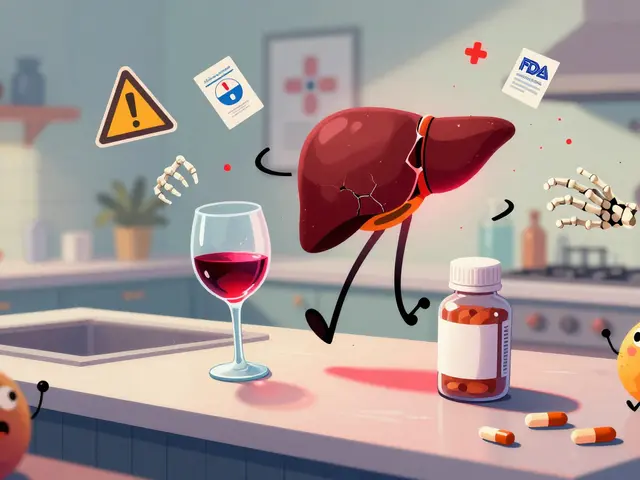
Menopause often coincides with aging, which means you might be taking multiple medications. Drug interactions become a bigger concern. For instance, combining HRT with certain blood thinners or anticoagulants requires careful monitoring. The FDA notes that 12% of adverse events related to HRT involve medication interactions.
If you miss a dose of oral HRT, take it as soon as you remember. If it is almost time for the next dose, skip the missed one. Never double up to make up for a missed dose, as this spikes hormone levels and increases side effect risks. Consistency is key to maintaining stable hormone levels and minimizing breakthrough symptoms.
When to Seek Medical Advice
You do not have to suffer through side effects. If HRT causes persistent nausea, severe headaches, or unusual bleeding, contact your doctor. They can adjust the dosage, switch the type of hormone, or change the delivery method. Approximately 68% of patients achieve better symptom control through dose modification alone.
Regular check-ups are essential. Monitor your blood pressure, cholesterol, and bone density. The 'window of opportunity' hypothesis suggests that starting HRT before age 60 or within 10 years of menopause onset offers the best benefit-risk ratio. Starting later increases cardiovascular risks. Work with your healthcare team to create a personalized plan that evolves with your body.
Can menopause change how my body processes regular medications?
Yes. The decline in estrogen affects liver enzyme activity, which can slow down or speed up the metabolism of drugs like antidepressants, anxiety medications, and blood pressure pills. This may require dosage adjustments to maintain effectiveness and avoid side effects.
Is HRT safe for women with a history of blood clots?
Generally, no. Systemic hormone therapy is not recommended for women with a history of blood clots, stroke, or heart attack due to increased risks. Non-hormonal alternatives like SSRIs or gabapentin are safer options for managing symptoms in these cases.
What are the most common side effects of HRT?
Common side effects include vaginal spotting (30-50% of users), breast tenderness (20-30%), bloating (15-25%), and headaches (10-20%). Most of these are temporary and improve within the first three to six months of treatment.
Do patches have fewer side effects than pills?
Yes, particularly regarding blood clot risk. Transdermal patches bypass the liver, reducing the strain on liver enzymes and lowering the risk of venous thromboembolism by 30-40% compared to oral pills. They also often cause less nausea.
Are herbal supplements like black cohosh effective for menopause?
Evidence is mixed. While some women find relief, large-scale studies show inconsistent results for black cohosh. There are also concerns about potential liver toxicity. It is best to discuss any supplement use with your doctor to ensure safety and avoid drug interactions.


Brett Webster
June 14, 2026 AT 09:27It is genuinely alarming how many women are prescribed standard doses of SSRIs or benzodiazepines without any consideration for the metabolic shifts occurring in their liver enzymes during perimenopause. The article correctly identifies that estrogen regulates these enzymes, and when those levels drop, the clearance rate changes drastically. I have seen too many patients report feeling 'out of it' or experiencing prolonged sedation from medications that were perfectly fine five years prior. This isn't just a side effect; it is a pharmacokinetic reality that requires proactive dosage adjustments rather than reactive symptom management. We need to stop treating menopause as merely a reproductive endpoint and start viewing it as a distinct physiological state requiring updated medical protocols.
The distinction between oral and transdermal HRT delivery methods is also critical here. Oral estrogen undergoes first-pass metabolism in the liver, which can exacerbate clotting risks and alter triglyceride levels. Transdermal patches bypass this entirely, offering a safer profile for women with existing cardiovascular concerns or those who experience gastrointestinal distress from pills. It is frustrating that this nuance is often overlooked in primary care settings where convenience trumps precision.
Lee Coates
June 14, 2026 AT 13:38Oh great, another long winded explanation for why my body is failing me because I'm getting old :( Typical American healthcare system trying to sell us more patches and pills instead of fixing the root cause. Why can't we just eat kale and do yoga like they did back in the day? Everything is so complicated now. \/\
Miranda River
June 15, 2026 AT 12:15Umm actually its not just about age its about the histerical decline of estrogen which causes all sorts of crazy stuff like hot flashes and mood swings that doctors try to fix with chemicals lol. I read somewhere that black cohosh works better but then again maybe not since science is always changing its mind. Also typos happen when you type fast on your phone while drinking coffee ☕️
Aditya Singh
June 15, 2026 AT 20:37The pharmacodynamic implications discussed here are quite profound, particularly regarding the hepatic metabolism of central nervous system depressants. In clinical practice, we often observe that the half-life of certain benzodiazepines extends significantly post-menopause due to reduced enzymatic activity. Furthermore, the utilization of transdermal administration routes mitigates the first-pass effect, thereby reducing the thromboembolic risk profile associated with oral estradiol formulations. It is imperative for practitioners to consider these bioavailability nuances when prescribing hormone replacement therapy or adjunctive psychotropic medications to perimenopausal cohorts. The integration of such evidence-based strategies ensures optimal therapeutic outcomes while minimizing adverse drug reactions.
Sherry Wheeler
June 17, 2026 AT 04:28This article is an absolute lifeline for anyone navigating this turbulent chapter! It feels like everyone around you is suddenly expecting you to understand complex hormonal shifts overnight, but reading this makes it feel so much less isolating. The part about blood pressure regulation shifting without estrogen's protective effect really hit home because I’ve been struggling with unexplained hypertension lately. Knowing that it might be linked to my changing hormone profile rather than just stress or diet gives me a sense of direction. I am so grateful for resources that break down the science into actionable advice instead of just telling us to tough it out. Let’s keep supporting each other through this transition!
I’m especially intrigued by the non-hormonal alternatives mentioned, like fezolinetant. It seems incredible that there are options targeting the brain’s temperature regulation center directly. For those of us who cannot take hormones due to health history, knowing that effective treatments exist brings a wave of relief. Thank you for highlighting these lesser-known options!
shreya sinha
June 17, 2026 AT 08:13It is truly disheartening to observe the pervasive lack of comprehensive education regarding the intricate physiological transformations that occur during the menopausal transition, a period that is frequently marginalized and misunderstood within contemporary medical discourse. The assertion that estrogen plays a pivotal role in regulating liver enzymes and subsequently altering drug metabolism is a fact that has been known for decades, yet it remains shockingly underutilized in routine clinical practice, leading to unnecessary suffering and potential harm for countless women who are left to navigate these changes in isolation without adequate support or guidance from healthcare providers who should be well-versed in these matters.
Furthermore, the reliance on Hormone Replacement Therapy as a panacea for all menopausal symptoms is a dangerous oversimplification that ignores the individual variability in response to treatment and the significant risks associated with systemic hormone administration, particularly in women with pre-existing conditions such as a history of breast cancer or cardiovascular disease. The failure to adequately inform patients about the potential side effects, including vaginal spotting, breast tenderness, and the increased risk of blood clots with oral formulations, reflects a broader societal neglect of women's health issues and a tendency to prioritize convenience over patient safety and informed consent.
Talilla Bailey
June 18, 2026 AT 16:20We must remain vigilant in advocating for personalized healthcare plans that respect the unique biological realities of every woman undergoing menopause. It is essential to collaborate with healthcare providers who are willing to listen, adjust dosages based on metabolic changes, and explore alternative delivery methods like transdermal patches when appropriate. By staying informed and proactive, we can ensure that our treatment aligns with our body’s needs rather than forcing our bodies to adapt to outdated protocols. Let us empower ourselves with knowledge and demand better care standards.
Remember, your voice matters in your healthcare journey. Do not hesitate to question prescriptions that no longer seem effective or cause unexpected side effects. The information provided here serves as a powerful tool for initiating these crucial conversations with your doctor. Together, we can reshape the narrative around menopause and medication management.
Brandon Brodsky
June 19, 2026 AT 18:25Wow, nobody told me my liver was going to strike a union vote against processing my anxiety meds properly. Just what I needed to hear at 3 AM while sweating through my sheets. Thanks for the detailed breakdown of why everything hurts and why I can't sleep, really adds to the joy. /s