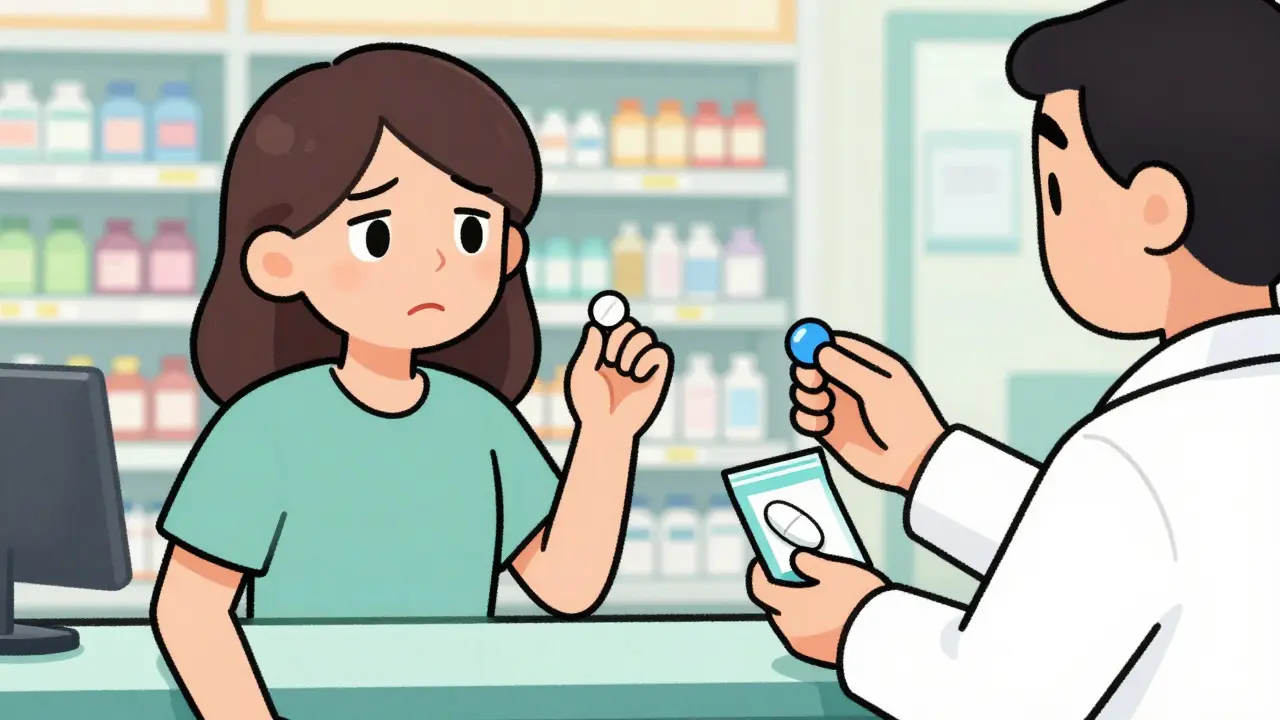
You’ve been taking the same blue pill for years. It works. You know what it looks like, how it feels, and that it keeps your blood pressure or cholesterol in check. Then one day, you walk into the pharmacy, and the pharmacist hands you a white oval instead. The price on the receipt is significantly lower, but your stomach drops. Is this new version actually going to work? Will it give you side effects you haven’t experienced before? This moment of hesitation is common, but the reality behind switching from brand-name medications to generic drugs that are bioequivalent alternatives containing identical active ingredients is far less risky than most patients fear.
Generic drugs make up about 90% of all prescriptions dispensed in the United States, yet many people still view them with suspicion. This article breaks down exactly what happens when you switch, why the pills look different, which medications require extra caution, and how you can monitor your health during the transition without unnecessary anxiety.
The Science Behind Bioequivalence
To understand why generics are safe, you first need to understand what "bioequivalent" means. It’s not just a marketing term; it’s a strict legal and scientific standard enforced by the U.S. Food and Drug Administration (FDA) the federal agency responsible for protecting public health by regulating food, drugs, medical devices, and cosmetics. Under regulations established by the Hatch-Waxman Act of 1984, a generic drug must contain the exact same active pharmaceutical ingredient (API) as the brand-name drug. It must have the same strength, dosage form (tablet, capsule, liquid), and route of administration (oral, injectable, topical).
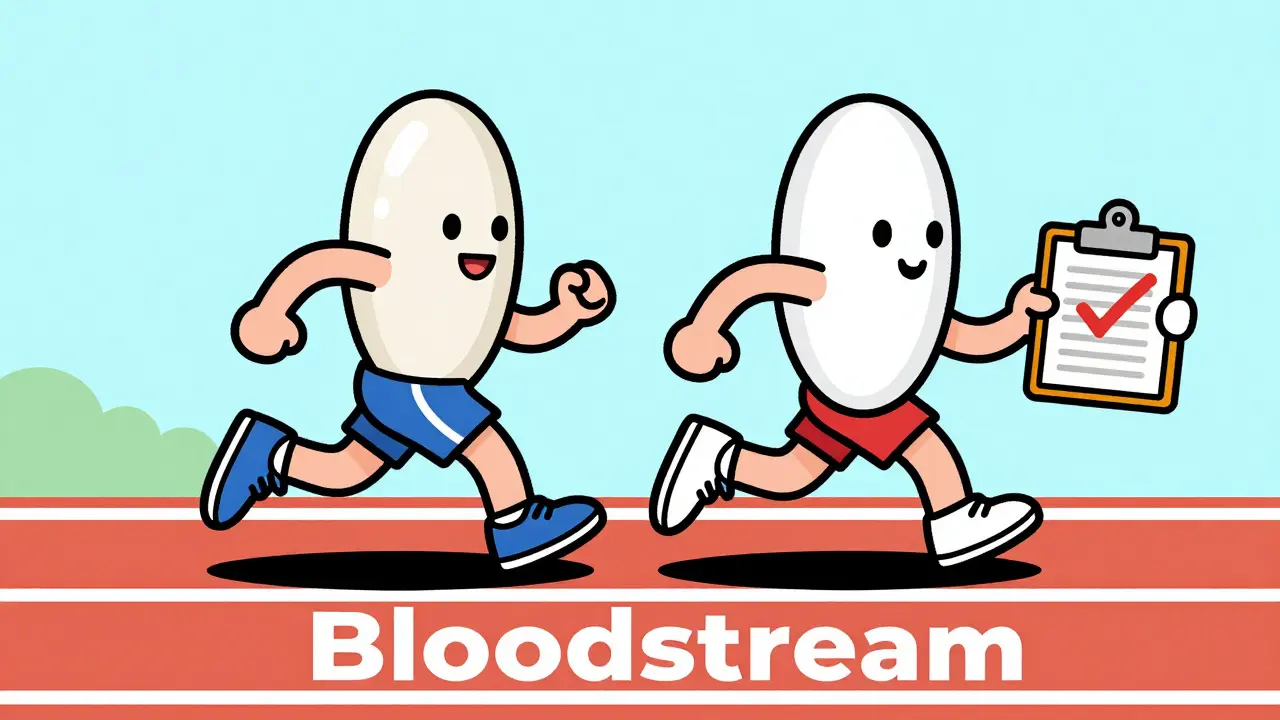
The critical test is bioequivalence. Manufacturers must prove that the generic drug enters your bloodstream at the same rate and to the same extent as the brand-name version. Specifically, the FDA requires that the generic’s pharmacokinetic parameters-measured by the area under the curve (AUC) and maximum concentration (Cmax)-fall within a 90% confidence interval of 80% to 125% of the brand-name drug’s values. While this range might sound wide, actual observed variations average only 4.1%, according to analysis by Dr. Niteesh Choudhry from Harvard Medical School published in Health Affairs in 2022. In practical terms, this means the amount of medicine hitting your system is virtually identical.
However, generics can differ in their inactive ingredients. These are the fillers, binders, colors, and preservatives that hold the pill together. Trademark laws often require generics to look different from the brand name to avoid consumer confusion. So, while the medicine inside is the same, the coating or dye might be different. For most people, this doesn’t matter. But if you have specific allergies to certain dyes or lactose, these inactive ingredients become important to check.
Cost Savings vs. Therapeutic Outcomes
The primary reason doctors and insurers push for generics is cost. Brand-name drugs involve massive research and development expenses, plus patent protection that prevents competition. Once a patent expires-typically 20 years after filing-other manufacturers can produce the same drug. This competition drives prices down dramatically. According to GoodRx data from late 2023, generic medications typically cost 80% to 85% less than their brand-name equivalents. That translates to an average saving of $378 per prescription annually for patients.
| Feature | Brand-Name Drug | Generic Drug |
|---|---|---|
| Active Ingredient | Original formula | Identical to brand |
| Average Cost | $624 per prescription | $128 per prescription |
| Appearance | Distinctive color/shape | Varies by manufacturer |
| Inactive Ingredients | Proprietary mix | May differ (fillers/dyes) |
| FDA Approval Process | Full clinical trials required | Bioequivalence studies required |
| Market Share | ~10% of prescriptions | ~90% of prescriptions |
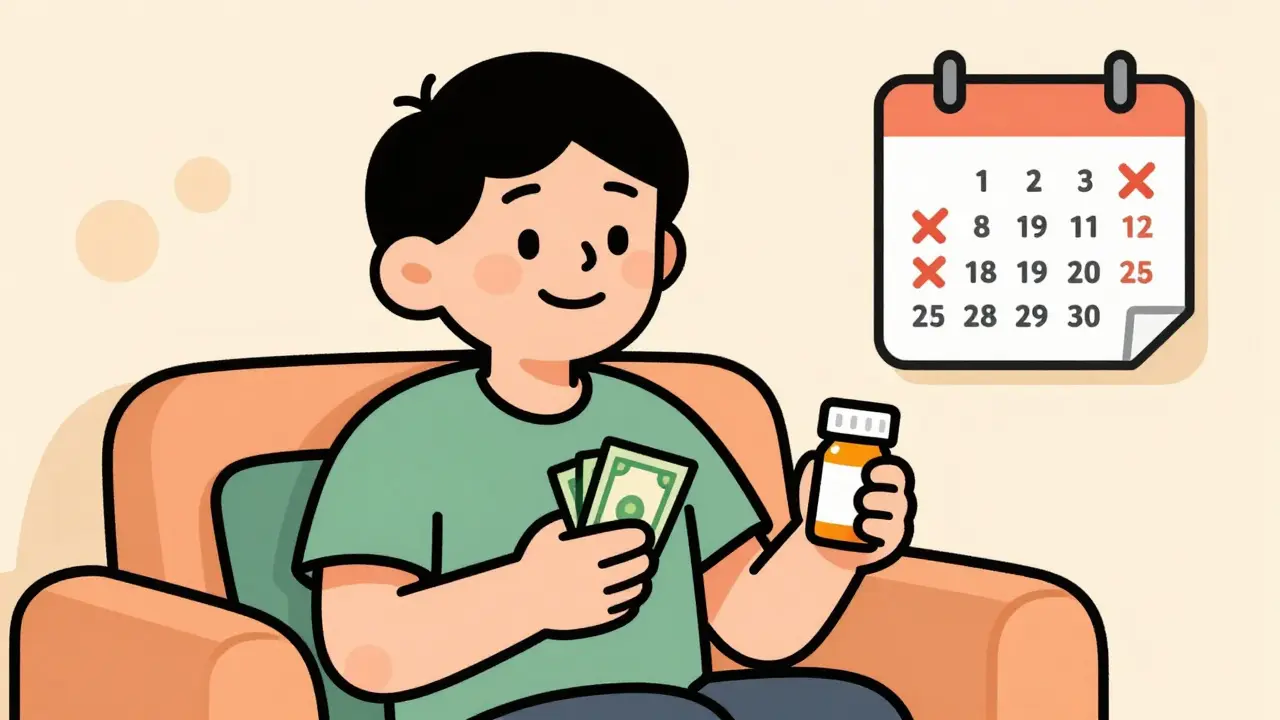
These savings aren't just theoretical. Medicare Part D beneficiaries save an average of $1,268 annually when using generics instead of brands. For chronic conditions like diabetes or hypertension, where medication is taken daily for decades, the financial difference can mean the difference between adhering to your treatment plan and skipping doses due to cost. A study by Kaiser Permanente found that adherence rates were actually higher for generics (78%) compared to brand-name drugs (63%) among diabetic patients, largely because affordability removes a major barrier to consistent use.
When Caution Is Necessary: Narrow Therapeutic Index Drugs
While generics are safe for the vast majority of patients, there is a specific category of medications where switching requires closer attention. These are called Narrow Therapeutic Index (NTI) drugs. NTI drugs have a very small window between the dose that works and the dose that causes toxicity or fails to work. Even tiny variations in blood concentration can lead to serious health issues.
Common NTI drugs include:
- Levothyroxine (for thyroid disorders)
- Warfarin (a blood thinner)
- Phenytoin and Carbamazepine (for seizures)
- Lithium (for bipolar disorder)
- Cyclosporine (an immunosuppressant)
The American Epilepsy Society reported in 2021 that 12.7% of patients switching between generic antiepileptic drugs experienced breakthrough seizures, compared to only 4.3% who stayed on a consistent formulation. Dr. Robert Graham, a neurologist at Cedars-Sinai Medical Center, noted that some patients do better on one manufacturer’s generic than another. If you take an NTI drug, don’t panic about switching, but do talk to your doctor. They may prefer you stay with a specific manufacturer or monitor your blood levels more frequently after a switch.
Complex Delivery Systems and Biosimilars
Not all medicines are simple pills. Some come in complex delivery systems like inhalers, patches, or injectables. Here, manufacturing differences can affect how the drug is released into your body. For example, the FDA issued warnings in 2020 about certain generic versions of Advair Diskus showing inconsistent powder dispersion compared to the brand. If you use an inhaler or a transdermal patch, ask your pharmacist if the generic has equivalent delivery technology.
Another emerging area is biosimilars. Unlike traditional generics, which are copies of small-molecule chemical drugs, biosimilars are highly similar versions of complex biological drugs made from living cells. Examples include treatments for cancer, rheumatoid arthritis, and Crohn's disease. As of late 2023, there were 37 FDA-approved biosimilars. They offer 15-30% cost reductions but undergo slightly different regulatory scrutiny because biological molecules are harder to replicate perfectly than chemical ones. They are generally considered interchangeable, but the science is newer, and patient experiences vary more.
What to Do When You Switch
If your doctor or pharmacist switches you to a generic, here is a practical checklist to ensure a smooth transition:
- Ask Questions: Pharmacists are required to provide counseling when substituting generics. Ask if the inactive ingredients contain anything you’re allergic to (like gluten, lactose, or specific dyes).
- Check the Appearance: Note the new color and shape. If you take multiple medications, a sudden change in appearance can lead to confusion. One documented case involved an elderly patient who double-dosed her blood pressure medication because the generic looked so different she didn’t recognize it as the same drug.
- Monitor Your Body: Keep a simple diary for two weeks after the switch. Track any new side effects, changes in effectiveness, or unusual symptoms. For diabetics, watch for blood glucose variations exceeding 20 mg/dL. For those on blood thinners, monitor INR fluctuations beyond 0.5 units.
- Stick to One Manufacturer (If Possible): If you find a generic that works well, ask your pharmacy if they can try to source it from the same manufacturer consistently. Frequent switching between different generic makers can sometimes cause minor fluctuations in sensitive patients.
- Report Issues: If you experience adverse reactions, report them to the FDA’s Medication Errors Reporting Program. Your feedback helps improve safety standards for everyone.
Real-World Patient Experiences
Data supports the safety of generics, but human experience adds nuance. A large discussion thread on Reddit’s r/Pharmacy community gathered 347 responses regarding generic vs. brand experiences. About 83% of users reported identical effects after switching. However, roughly 17% described issues, including reduced effectiveness or new side effects. Most of these complaints were linked to either NTI drugs or sensitivity to inactive ingredients.
Conversely, satisfaction surveys show high approval. GoodRx’s 2023 Patient Savings Report found 92% satisfaction among patients who switched to generics, with 87% reporting improved adherence due to lower costs. Maria Rodriguez from Phoenix shared her story with local news: "I was skipping doses of my brand-name cholesterol medicine because it cost $350/month; the generic costs $15 and works exactly the same." Her experience highlights the life-changing impact of affordable access to effective care.
Remember, the goal of healthcare is effective treatment that you can sustain long-term. For most people, generics deliver that promise. By understanding the science, knowing when to exercise caution, and communicating openly with your healthcare providers, you can switch with confidence rather than fear.
Are generic drugs as effective as brand-name drugs?
Yes. For the vast majority of medications, generic drugs are therapeutically equivalent to brand-name drugs. They contain the same active ingredients, strength, and dosage form. A landmark 2019 study in JAMA Internal Medicine analyzed over 2,000 clinical trials and found that generics performed identically to brands in 88% of cases. The FDA requires rigorous bioequivalence testing to ensure they work the same way in the body.
Why do generic pills look different from brand-name pills?
Generic pills often differ in color, shape, and size due to trademark laws. Manufacturers cannot copy the exact appearance of a brand-name drug to avoid confusing consumers. Additionally, generics may use different inactive ingredients like fillers, binders, or dyes. These differences do not affect the drug's active medicinal properties but can matter if you have specific allergies to certain dyes or excipients.
Which medications should I be careful about switching to generic?
You should exercise extra caution with Narrow Therapeutic Index (NTI) drugs. These include levothyroxine (thyroid), warfarin (blood thinner), phenytoin and carbamazepine (seizures), lithium (bipolar disorder), and cyclosporine (immunosuppression). Because these drugs have a small margin between effective and toxic doses, even slight variations in absorption can impact health. Consult your doctor before switching these medications.
How much money can I save by switching to generics?
Patients typically save 80% to 85% by switching to generics. On average, this translates to about $378 saved per prescription annually. Medicare Part D beneficiaries save an average of $1,268 per year. The significant cost reduction improves medication adherence, as patients are less likely to skip doses due to financial constraints.
Can I request a specific generic manufacturer?
Yes. While pharmacies usually stock whichever generic is available and cheapest, you can ask your pharmacist to try to keep you on the same manufacturer if you find one that works particularly well for you. Consistency in the manufacturer can help minimize potential variations in inactive ingredients or delivery mechanisms, especially for sensitive patients.