
Take an aspirin every day to keep your heart safe-that’s what many people have been told. But what if that same pill is quietly damaging your stomach? For millions of people on antiplatelet meds like aspirin, clopidogrel, prasugrel, or ticagrelor, this isn’t just a theoretical worry. Antiplatelet medications save lives by stopping blood clots after heart attacks or stents, but they also raise your risk of serious bleeding-especially in the gut. And the truth is, most people don’t know how to manage it.
How Antiplatelet Drugs Work (and Why They Hurt Your Stomach)
These drugs don’t thin your blood like warfarin. Instead, they stop platelets-tiny blood cells-from sticking together and forming clots. That’s good for your heart, but your stomach lining also relies on platelets to repair tiny tears that happen every day from food, acid, and stress. When platelets are suppressed, those tears don’t heal. Over time, that leads to ulcers, bleeding, and sometimes life-threatening complications.
Aspirin is the oldest and most common. It works by blocking an enzyme called COX-1, which not only reduces clotting but also lowers the stomach’s natural defenses against acid. Even enteric-coated aspirin-designed to dissolve in the intestine instead of the stomach-doesn’t fix this. The drug still gets into your bloodstream and affects platelets everywhere, including your gut.
P2Y12 inhibitors like clopidogrel, prasugrel, and ticagrelor work differently. They block a receptor on platelets that tells them to clump. Clopidogrel is cheaper and widely used, but studies show it causes more stomach damage than aspirin. Prasugrel and ticagrelor are stronger at preventing heart events, but they also raise your bleeding risk even more. In fact, ticagrelor increases GI bleeding by 30% compared to clopidogrel, according to the PLATO trial.
Who’s Most at Risk for GI Bleeding?
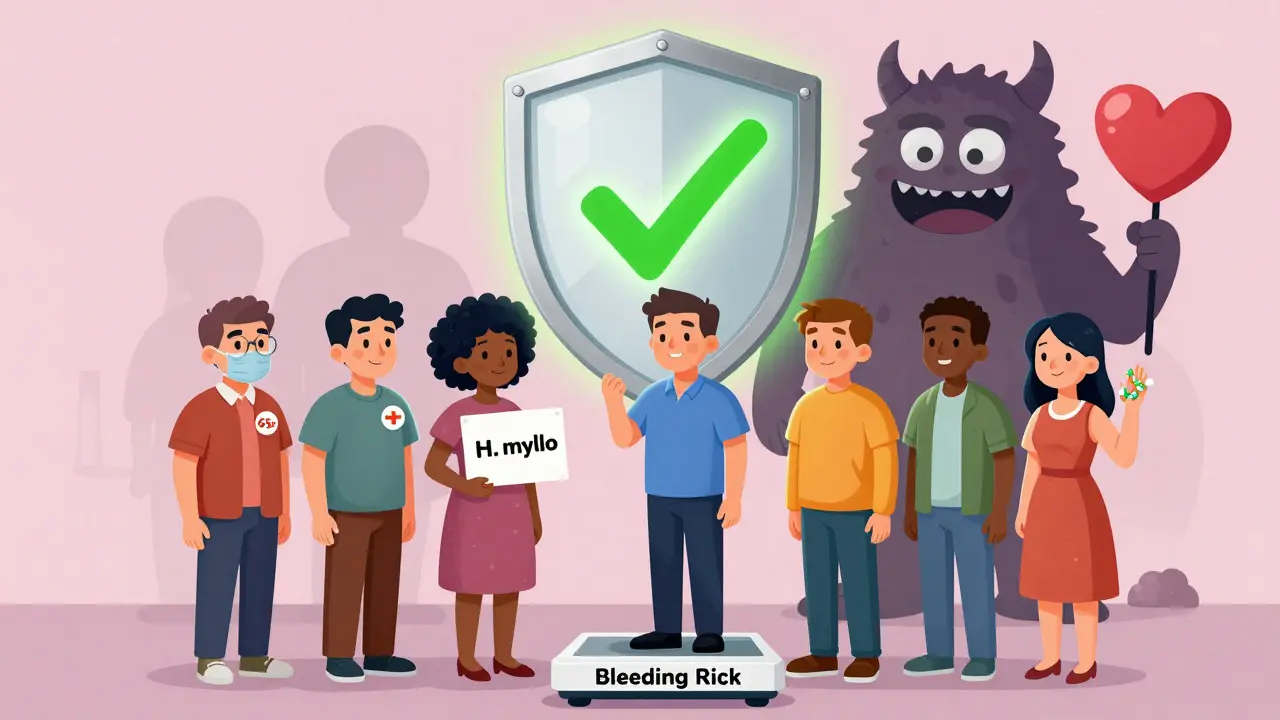
Not everyone on these drugs will bleed. But some people are far more vulnerable. The biggest red flags:
- Age 65 or older
- History of ulcers or GI bleeding
- Taking NSAIDs like ibuprofen or naproxen at the same time
- Infected with H. pylori bacteria
- On dual antiplatelet therapy (DAPT)-like aspirin + clopidogrel
DAPT is common after stent placement, but it triples your bleeding risk compared to just one drug. A 2023 JAMA study found that about 1% of patients had a major GI bleed within 30 days of starting DAPT. And over 6 to 12 months, nearly half of people on clopidogrel or DAPT develop visible damage to their stomach lining-even if they feel fine.
What to Do If You’re Already Bleeding
If you notice black, tarry stools, vomiting blood, or sudden weakness and dizziness, get help immediately. But here’s something most people don’t know: stopping your antiplatelet drug won’t necessarily stop the bleeding.
Research from The Lancet shows that stopping aspirin during a GI bleed doesn’t improve outcomes-it actually increases the chance of death by 25%. Why? Because the heart risk from clotting can be deadlier than the bleeding. The American College of Gastroenterology now recommends keeping aspirin going during a bleed, unless you’re actively losing blood and unstable.
For P2Y12 drugs like clopidogrel, guidelines say you can hold them for 5-7 days during active bleeding, but restart as soon as possible. Delaying too long raises your risk of stent clotting. One Reddit thread from 2023 described three patients who stopped clopidogrel after stomach pain, then had heart attacks within weeks.
Proton Pump Inhibitors (PPIs): The Best Shield for Your Stomach
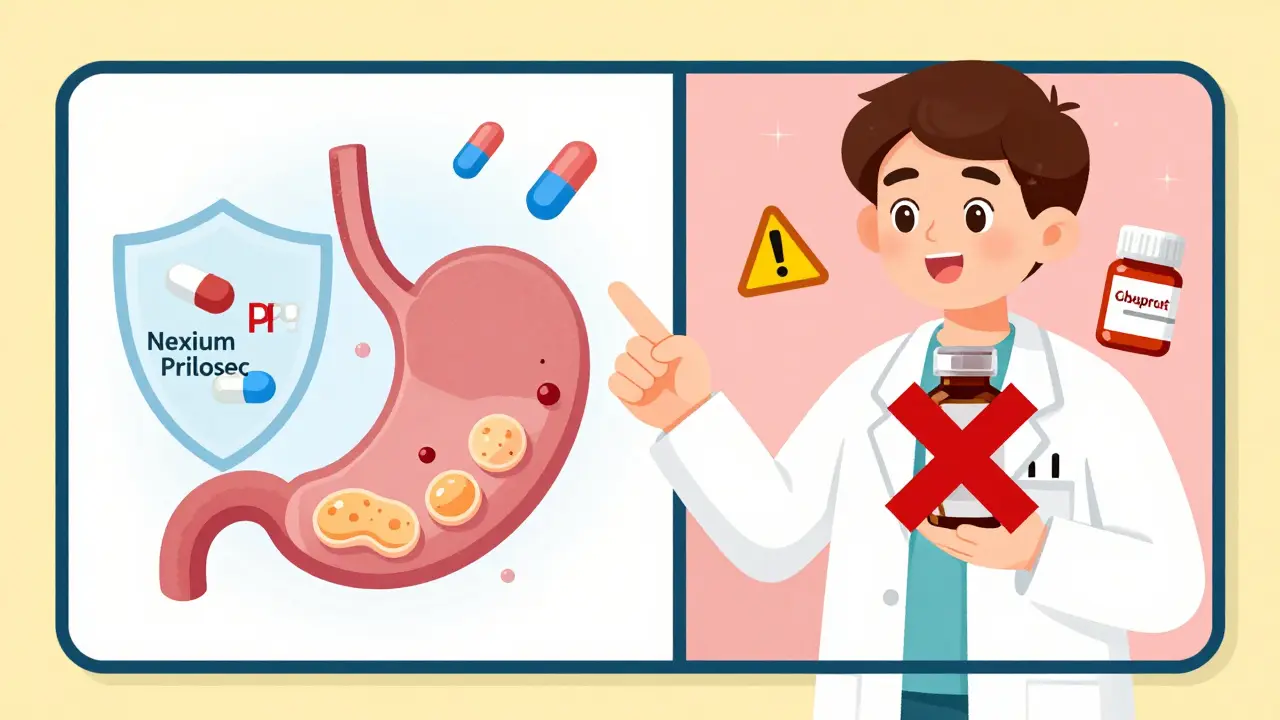
The most proven way to protect your gut while staying on antiplatelet meds is a proton pump inhibitor-drugs like esomeprazole (Nexium), omeprazole (Prilosec), or pantoprazole (Protonix).
Studies show PPIs cut the risk of ulcers and bleeding by 50-70% in people on aspirin or clopidogrel. In one case series, 92% of patients with ulcers healed within 8 weeks when given esomeprazole 40mg daily while staying on clopidogrel.
But here’s the catch: not all PPIs work the same for everyone. And there’s a myth about clopidogrel and PPIs. Back in 2009, the FDA warned that some PPIs might reduce clopidogrel’s effectiveness. The theory was that PPIs block an enzyme (CYP2C19) that clopidogrel needs to become active. But later, large studies found no real-world increase in heart attacks. Dr. Norman Stockbridge of the FDA admitted in 2010 that the clinical impact was uncertain.
Today, most cardiologists and gastroenterologists agree: the benefit of preventing a bleed far outweighs the tiny, unproven risk of reduced clopidogrel effect. If you’re on clopidogrel and have a history of ulcers, you should be on a PPI-no debate.
How Long Should You Stay on a PPI?
It’s not a one-size-fits-all answer. For someone with a past ulcer, guidelines say take a PPI for at least 8 weeks after healing. If you’ve had a serious bleed, complications like perforation, or you’re still on DAPT, you may need to stay on it long-term.
But long-term PPI use isn’t harmless. About 15-20% of people develop side effects-bloating, diarrhea, or nutrient issues like low magnesium or B12. A 2021 study in the American Journal of Gastroenterology found that some patients develop rebound acid reflux after stopping PPIs abruptly. So if you’re on one long-term, don’t quit cold turkey. Work with your doctor to taper slowly.
What About Alternatives to PPIs?
Some patients can’t tolerate PPIs. Others want to avoid them. Are there options?
- H2 blockers like famotidine (Pepcid) are weaker than PPIs and not recommended for high-risk patients.
- Misoprostol helps protect the stomach lining but causes cramping and diarrhea-and it’s not safe in pregnancy.
- Stopping NSAIDs is critical. If you’re taking ibuprofen for arthritis, ask your doctor about acetaminophen instead.
- Treating H. pylori can reduce ulcer risk by 70%. If you’ve had a GI bleed, get tested for this bacteria.
There’s also new research on drugs like selatogrel, currently in Phase III trials. Early data shows it may reduce GI injury by 35% compared to ticagrelor. But it’s not available yet.
Practical Tips for Staying Safe
Here’s what works in real life:
- If you’re on aspirin or clopidogrel and have any stomach pain, black stools, or unexplained fatigue-tell your doctor. Don’t wait.
- If you’ve had a GI bleed before, ask for a PPI-no matter how mild the bleed was.
- Don’t take NSAIDs with your antiplatelet drug. Even occasional ibuprofen can trigger bleeding.
- Get tested for H. pylori if you’ve had an ulcer. Eradicate it if it’s there.
- Ask about your bleeding risk score. Tools like AIMS65 (which looks at age, blood pressure, albumin, and mental status) help doctors decide how aggressive your protection should be.
- If you’re on DAPT, plan ahead. Know when you can switch to single therapy after 6-12 months, depending on your heart condition.
What’s Next for Antiplatelet Therapy?
Doctors are moving toward personalized care. Right now, clopidogrel doesn’t work well for 20-30% of people because of genetic differences in the CYP2C19 enzyme. Testing for this gene is becoming more common. If you’re a poor metabolizer, switching to ticagrelor or prasugrel might give you better heart protection without increasing your GI risk as much.
Future tools might include blood tests for gastrin-17 or pepsinogen-markers that predict who’s likely to develop ulcers before they happen. Within five years, experts predict we’ll be using these biomarkers to tailor protection strategies.
For now, the message is simple: antiplatelet drugs are lifesavers, but they’re not harmless. The key isn’t stopping them-it’s protecting your stomach while you take them. Talk to your doctor. Get the right PPI. Avoid NSAIDs. Know your risks. And don’t ignore warning signs.
Can I stop my antiplatelet medication if I have stomach bleeding?
No-not if you’re on aspirin. Stopping aspirin during a GI bleed increases your risk of death by 25%, according to a major study in The Lancet. Aspirin should usually be continued unless you’re actively bleeding and unstable. For P2Y12 drugs like clopidogrel, doctors may pause them for 5-7 days during active bleeding, but restart them as soon as it’s safe to avoid clotting risks.
Do PPIs interfere with clopidogrel’s effectiveness?
Early concerns suggested PPIs like omeprazole might reduce clopidogrel’s effect by blocking the CYP2C19 enzyme. But large clinical studies have found no meaningful increase in heart attacks or strokes in patients taking both. The American College of Gastroenterology and other major groups now agree: the benefit of preventing a life-threatening GI bleed far outweighs any unproven risk to heart protection.
Is enteric-coated aspirin safer for the stomach?
No. While enteric-coated aspirin delays absorption until it reaches the intestine, it still enters the bloodstream and suppresses platelet function throughout the body-including the stomach lining. It doesn’t reduce the risk of GI bleeding compared to regular aspirin. The damage comes from the drug’s systemic effect, not where it dissolves.
How long should I take a PPI with antiplatelet therapy?
If you’ve had a past ulcer or GI bleed, guidelines recommend taking a PPI for at least 8 weeks after healing. If you’re still on dual antiplatelet therapy, have multiple risk factors (like age over 65 or NSAID use), or had a complicated bleed, long-term or indefinite PPI use is often recommended. Always discuss duration with your doctor.
Can I take ibuprofen or naproxen while on aspirin or clopidogrel?
No. NSAIDs like ibuprofen and naproxen double your risk of GI bleeding when combined with antiplatelet drugs. Even occasional use can trigger a serious bleed. Use acetaminophen (Tylenol) for pain instead. If you need an anti-inflammatory for arthritis, talk to your doctor about safer alternatives.
What should I do if I experience side effects from a PPI?
If you have bloating, diarrhea, or feel weak, don’t stop the PPI suddenly. Talk to your doctor. You may need to switch to a different PPI (like pantoprazole, which has fewer interactions) or adjust your dose. Long-term use can affect nutrient absorption, so your doctor may check your magnesium, B12, or calcium levels. Never discontinue without medical advice.




Nicole Beasley
December 29, 2025 AT 06:58Just started on clopidogrel after my stent and honestly? I had no idea about the stomach risks. Thanks for laying this out so clearly. I’m already asking my doc about a PPI tomorrow 😊
Janette Martens
December 30, 2025 AT 08:57Aspirin is for wimps anyway. If you’re gonna take meds, go full nuclear with ticagrelor. And if your stomach bleeds? That’s what ERs are for. Canada’s got free healthcare, stop whining.
James Hilton
December 30, 2025 AT 09:58So let me get this straight… we’re told to take a daily pill to live longer… but now we gotta take another pill to stop the first pill from killing us? Sounds like pharma’s got a new subscription model. 🤡
Vu L
December 31, 2025 AT 07:12Anyone else think this whole antiplatelet thing is just a scam? I mean, if your heart’s that weak, maybe just stop eating donuts and start walking. 🤷♂️
Hakim Bachiri
December 31, 2025 AT 12:10Let’s be real: the FDA, the ACC, the Lancet-these institutions are all compromised. The CYP2C19 interaction? It’s been replicated in 17 peer-reviewed studies since 2012! But you won’t hear that from your cardiologist… because they’re paid by AstraZeneca. PPIs? They’re just a Band-Aid on a bullet wound. We need systemic reform-not more pills.
And don’t even get me started on enteric-coated aspirin. That’s not medicine-that’s marketing. It’s like putting a sticker on a leaky pipe and calling it fixed. The damage is systemic. The system is broken.
And yes, I’ve read the PLATO trial. And the JAMA study. And the 2021 AJG paper. And no, I’m not “overthinking it.” I’m thinking critically. Most people are just sheep.
Meanwhile, in Germany, they’re using biomarkers to predict GI risk before prescribing. Here? We’re still guessing. We’re lagging. By decades.
And before you say “just talk to your doctor”-my doctor told me to “take it easy.” Thanks, Captain Obvious.
Celia McTighe
January 1, 2026 AT 06:05I’ve been on aspirin + PPI for 5 years since my MI. My stomach’s fine, my heart’s fine. I get my B12 checked yearly and take a magnesium supplement. It’s not perfect, but it works. 💙
To anyone scared: you’re not alone. But don’t let fear make you stop what’s saving your life. Talk to your team. Ask questions. You’ve got this.
Louis Paré
January 1, 2026 AT 23:50So the solution to a drug causing bleeding is… another drug? Brilliant. The only thing more predictable than this is the pharmaceutical industry’s profit margins. You’re not protecting your stomach-you’re just feeding the machine.
Marie-Pierre Gonzalez
January 3, 2026 AT 18:21Thank you for this comprehensive and deeply thoughtful breakdown. As a healthcare professional, I can confirm: the evidence is unequivocal. PPIs reduce GI bleeding by over 50% in high-risk patients-and the data on clopidogrel interaction is now considered clinically negligible. Please, if you are on dual therapy, do not delay discussing PPI prophylaxis with your physician. Your gut will thank you. 🙏
Mimi Bos
January 5, 2026 AT 07:53Wait so enteric coated aspirin doesn’t help? That’s all my mom’s been taking for 10 years… she’s gonna be so mad.