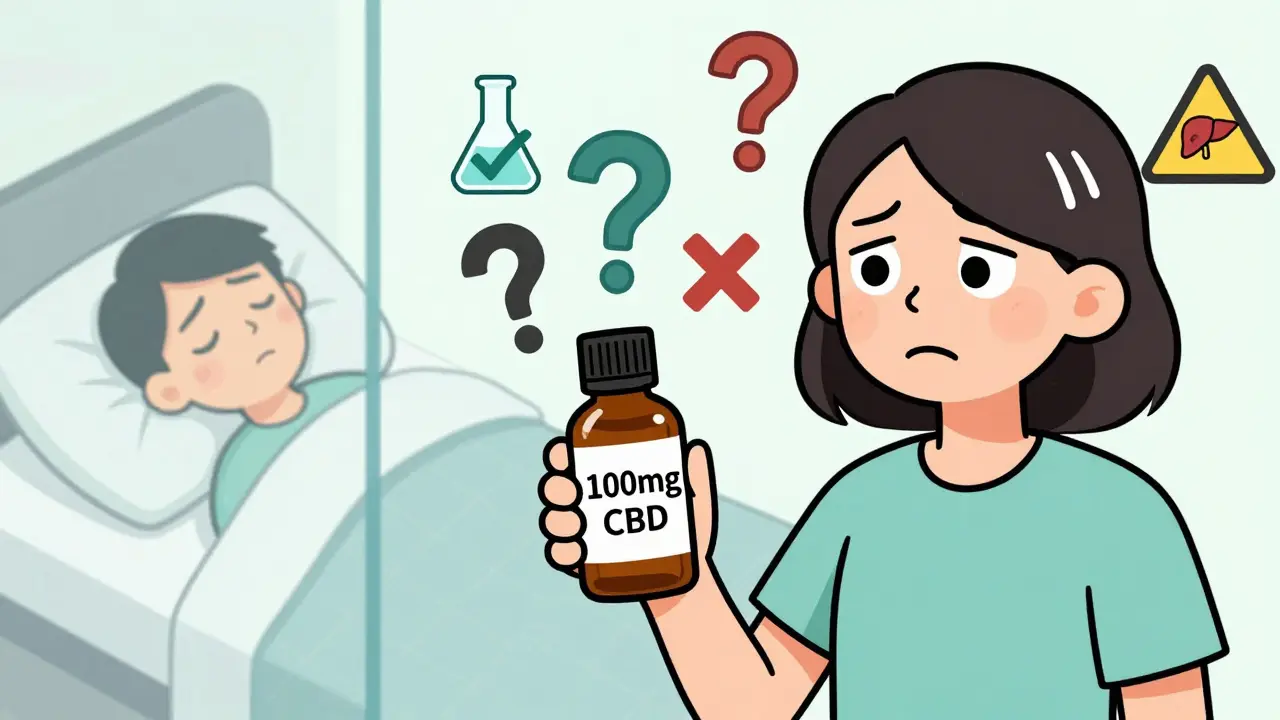
For years, people with chronic pain have turned to cannabinoids hoping for relief-especially when opioids left them feeling worse or more dependent. But here’s the hard truth: cannabinoids aren’t a magic bullet. Some studies say they help. Others say they don’t. And a lot of the products on shelves? They’re not even what the label claims.
What Exactly Are Cannabinoids?
Cannabinoids are natural chemicals found in the cannabis plant. The two most talked-about are THC (tetrahydrocannabinol) and CBD (cannabidiol). But there are others-CBG, CBN, CBC-that are starting to show up in research. These compounds interact with your body’s endocannabinoid system, which helps regulate pain, mood, sleep, and inflammation.
THC is the part that gets you high. CBD doesn’t. That’s why so many people think CBD is safer. But safety doesn’t always mean effectiveness. And the science on CBD alone? It’s messy.
The Evidence: Mixed at Best
In 2015, a major review in JAMA found moderate-quality evidence that cannabinoids could help with chronic pain. That sounded promising. But since then, things have gotten more complicated.
A 2023 study from the University of Bath looked at 16 high-quality clinical trials using pharmaceutical-grade CBD. Fifteen of them showed no real pain relief. CBD performed no better than a sugar pill. The same study found that many over-the-counter CBD products don’t even contain the amount of CBD they claim-some had none at all. Others had way too much, or even hidden THC.
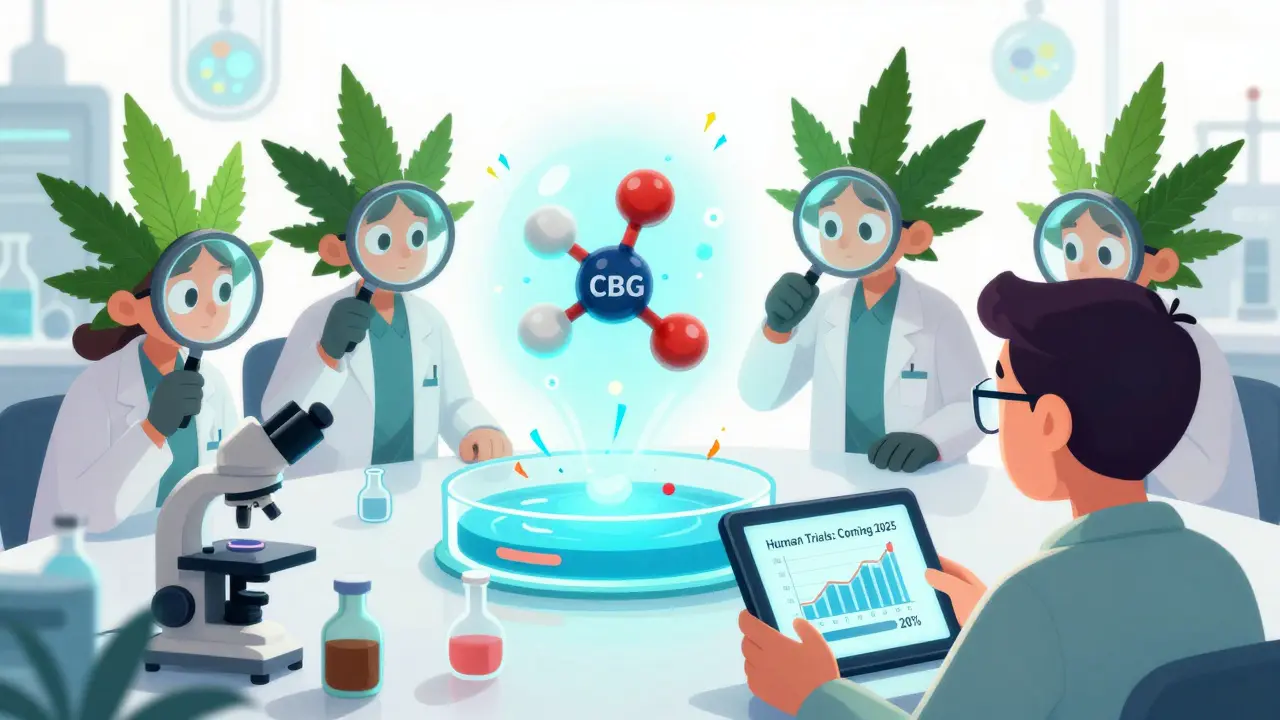
Meanwhile, a January 2025 study from Yale University found that CBG (cannabigerol) reduced pain signals in nerve cells more effectively than CBD or even THC in lab tests. That’s exciting-but it’s still in a petri dish. We don’t yet know how it works in humans, or what dose would be safe or effective.
Harvard Medical School puts it plainly: “There is currently no high-quality research study that supports the use of CBD alone for the treatment of pain.” The FDA has only approved CBD for two rare forms of childhood epilepsy-not for pain.
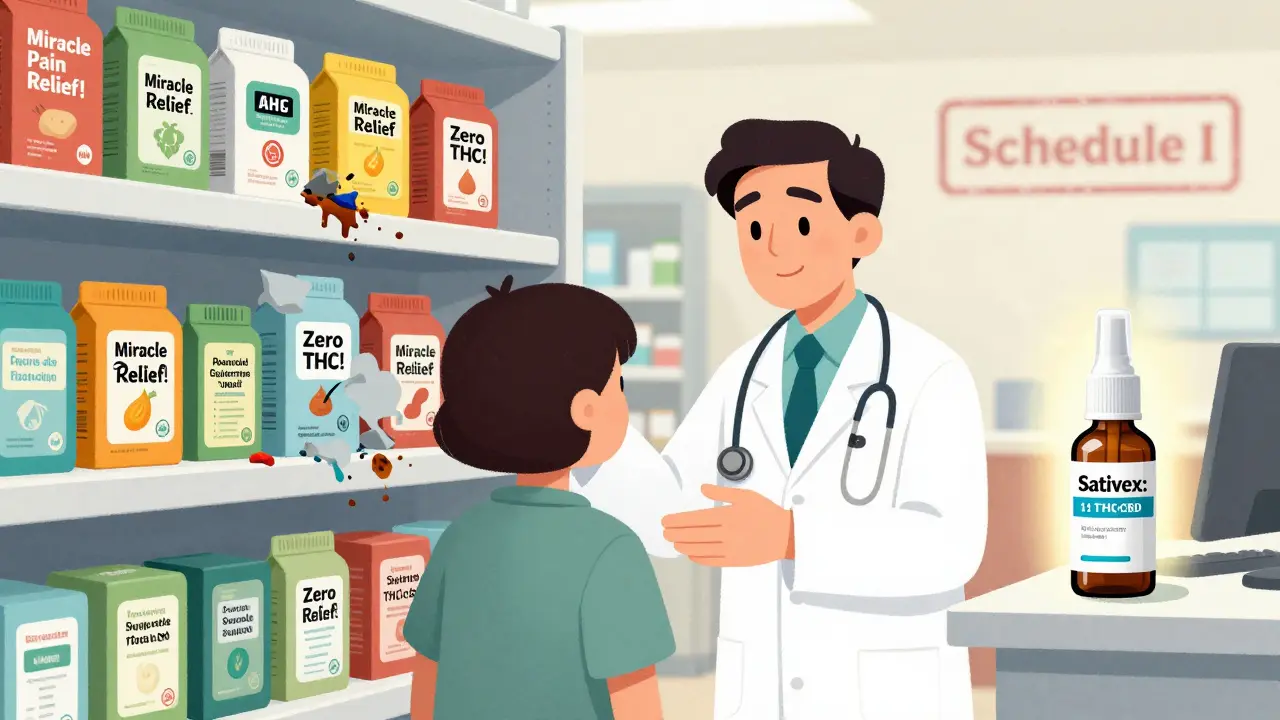
So what does work? Evidence suggests THC-containing products, especially when paired with CBD in a 1:1 ratio, show more consistent results. Health Canada has approved Sativex, a 1:1 THC:CBD spray, for nerve pain in multiple sclerosis and cancer pain that doesn’t respond to opioids. Patients using it often report being able to cut their opioid dose in half without losing pain control.
Who Might Actually Benefit?
Not all pain is the same. Cannabinoids seem to have the most reliable effect on neuropathic pain-pain caused by damaged nerves. Think diabetic neuropathy, shingles pain, or nerve injury from surgery. The CDC acknowledges this, saying there’s “limited evidence” cannabinoids help with most types of pain, but “a few studies have found that cannabis can be helpful in treating neuropathic pain.”
For arthritis, back pain, or muscle pain? The data is weak. A Reddit thread from chronic pain communities shows the divide: one person says CBD oil cut their fibromyalgia pain by 30%. Another spent $400 on gummies and felt nothing. Trustpilot reviews of major CBD brands show 41% of negative feedback says “no pain relief.”
That’s the problem. People are spending hundreds of dollars a month on products with no guarantee they’ll work. And if they do? It’s often because of the THC-not the CBD.
Dosing: No Rules, Just Guesswork
There’s no official dosing guideline for cannabinoids and pain. That’s because there’s no standardized product. A bottle of CBD oil sold in New York might have 10mg per serving. One in California might have 50mg. One from Amazon might have 0mg.
Most pain clinics that do recommend cannabinoids suggest starting low:
- THC: Start with 2.5-5mg
- CBD: Start with 10-20mg
Wait at least 2-3 hours before taking more. It can take days or weeks to notice any effect. Many people give up too soon.
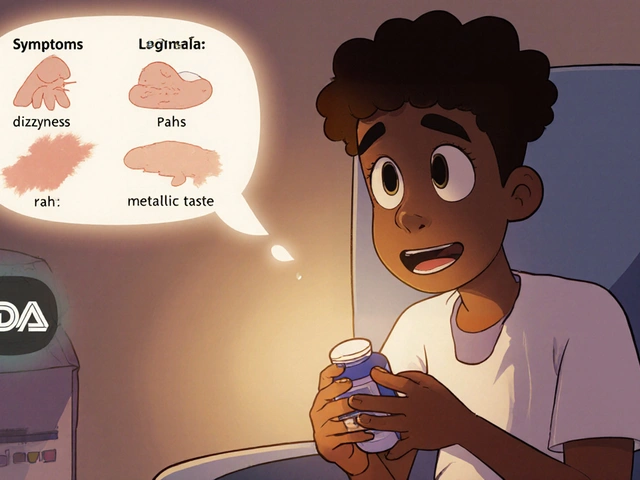
But here’s the catch: if you’re using a product with THC, even small doses can cause dizziness, dry mouth, or anxiety. Higher doses can lead to paranoia or impaired coordination. And if you’re on other meds-blood thinners, antidepressants, seizure drugs-cannabinoids can interfere. They’re processed by the same liver enzymes as many prescription drugs. That’s a risk you can’t ignore.
Safety: It’s Not All Natural
CBD is often marketed as “natural” and “safe.” But “natural” doesn’t mean harmless. The University of Bath study found that some CBD products contain contaminants-pesticides, heavy metals, even synthetic cannabinoids like Spice. Some have illegal levels of THC. That means you could fail a drug test, even if you thought you were buying pure CBD.
High doses of CBD (over 1,000mg per day) have been linked to liver damage in rare cases. That’s why some doctors recommend blood tests if you’re using CBD long-term.
And what about addiction? THC can be habit-forming. About 9% of regular users develop cannabis use disorder. That’s lower than opioids or alcohol, but it’s real. Withdrawal symptoms-irritability, sleep trouble, loss of appetite-can happen after stopping daily use.
The biggest danger? People replace proven treatments with unproven ones. A patient might stop their prescribed nerve pain medication and switch to CBD gummies. Then their pain gets worse. And now they’ve lost time, money, and possibly function.
The Bigger Picture: Why This Is So Confusing
The reason we’re stuck in this mess? Federal law in the U.S. still classifies cannabis as a Schedule I drug-meaning “no accepted medical use and high potential for abuse.” That makes it nearly impossible to run large, long-term clinical trials. Researchers can’t get funding. Pharmacies won’t stock it. Insurance won’t cover it.
Meanwhile, the market exploded. The U.S. CBD industry hit $4.3 billion in 2022. The FDA has sent warning letters to over 140 companies for making false pain claims. But enforcement is slow. Companies keep selling products with no evidence, preying on desperation.
Canada and the Netherlands have clearer systems. They regulate cannabis like medicine-tested, labeled, dosed. In the U.S., it’s a Wild West. You’re buying a product with no quality control, no dosing standards, and no proof it works for your pain.
What Should You Do?
If you’re considering cannabinoids for pain:
- Don’t start with CBD alone. The evidence just isn’t there.
- If you live in a state with legal medical cannabis, talk to a doctor who specializes in pain or cannabis medicine. They can guide you toward regulated products.
- Avoid online CBD gummies, tinctures, or creams unless they come with a Certificate of Analysis (COA) from a third-party lab. Check that it lists THC, CBD, and contaminants.
- Start low. Go slow. Track your pain levels daily.
- Never stop your current pain meds without medical supervision. Opioid withdrawal is dangerous. So is sudden cannabinoid withdrawal.
- Watch for side effects: dizziness, dry mouth, fatigue, nausea. If they happen, lower the dose or stop.
And if you’re hoping for a miracle? Be realistic. Cannabinoids might help a little. Maybe reduce your opioid dose. Maybe improve sleep. But they’re not a cure. And they’re not a replacement for physical therapy, nerve blocks, or other proven treatments.
What’s Next?
Good news: more research is coming. Phase III trials are underway for CBD:THC combinations in cancer pain and chronic low back pain. Results are expected by 2025. If they’re positive, we could see the first FDA-approved cannabinoid pain medication by 2027.
That’s the future we need: regulated, tested, dosed medicines-not unregulated gummies sold on Amazon.
Until then, be skeptical. Ask for proof. Talk to your doctor. And don’t let marketing hype replace science.
Does CBD really help with pain?
Most high-quality studies show CBD alone doesn’t work better than a placebo for pain. Some people report feeling better, but that could be due to improved sleep or reduced anxiety-not direct pain relief. The strongest evidence is for THC-containing products, especially in a 1:1 ratio with CBD.
Can I use cannabinoids instead of opioids?
Some patients have successfully reduced their opioid use by switching to a THC:CBD combination under medical supervision. But you should never stop opioids cold turkey. Withdrawal can be dangerous. Always work with a doctor to taper safely. Cannabinoids aren’t a magic replacement-they’re a possible tool.
Are over-the-counter CBD products safe?
Many are not. Studies show up to 70% of CBD products sold online contain less CBD than labeled-or none at all. Some have hidden THC, pesticides, or synthetic chemicals. Only buy products with a Certificate of Analysis from a third-party lab. Look for testing for potency, heavy metals, and solvents.
What’s the best way to take cannabinoids for pain?
Tinctures (oils under the tongue) work fastest and give the most control over dosing. Capsules are slower but more consistent. Topicals (creams, patches) may help localized pain but don’t enter the bloodstream much. Smoking or vaping isn’t recommended due to lung risks. Always start with a low dose and increase slowly.
Will cannabinoids show up on a drug test?
If the product contains even trace amounts of THC, yes. Most standard drug tests look for THC metabolites, not CBD. Even “THC-free” CBD products can have enough THC to trigger a positive result. If you’re subject to drug testing, avoid all cannabis-derived products unless prescribed and monitored by a doctor.
Is CBG the next big thing for pain?
Lab studies show CBG has strong pain-blocking potential and doesn’t cause a high. That makes it promising. But no human trials have been done yet. It’s not available in reliable forms for patients. Don’t rush to buy CBG products-they’re expensive, unregulated, and untested for pain.
laura Drever
January 13, 2026 AT 00:10sam abas
January 13, 2026 AT 04:42jefferson fernandes
January 14, 2026 AT 00:50James Castner
January 14, 2026 AT 09:04lucy cooke
January 15, 2026 AT 05:50Priyanka Kumari
January 16, 2026 AT 00:24Vinaypriy Wane
January 17, 2026 AT 19:18Diana Campos Ortiz
January 18, 2026 AT 23:17Jesse Ibarra
January 20, 2026 AT 03:28Acacia Hendrix
January 20, 2026 AT 15:34Adam Rivera
January 20, 2026 AT 22:59Robin Williams
January 21, 2026 AT 02:46Kimberly Mitchell
January 21, 2026 AT 19:23Clay .Haeber
January 22, 2026 AT 05:16