Waking up feeling like you’ve been hit by a truck is not just "in your head." For millions of people living with Fibromyalgia, this widespread, deep ache is a daily reality that defies simple explanations. If you have spent years bouncing between doctors who shrug or prescribe opioids that don’t touch the nerve pain, you are likely looking for answers that actually work. The good news? We finally understand why antidepressant medications are prescribed for physical pain, even if you aren't depressed.
This isn't about treating sadness; it’s about fixing a glitch in how your brain processes signals. But here is the catch: pills alone rarely solve the whole puzzle. The most effective path forward combines specific medications with targeted movement and mental strategies. Let’s break down exactly how this works, which drugs do what, and why starting slow matters more than you think.
Why Your Brain Hurts: The Central Sensitization Theory
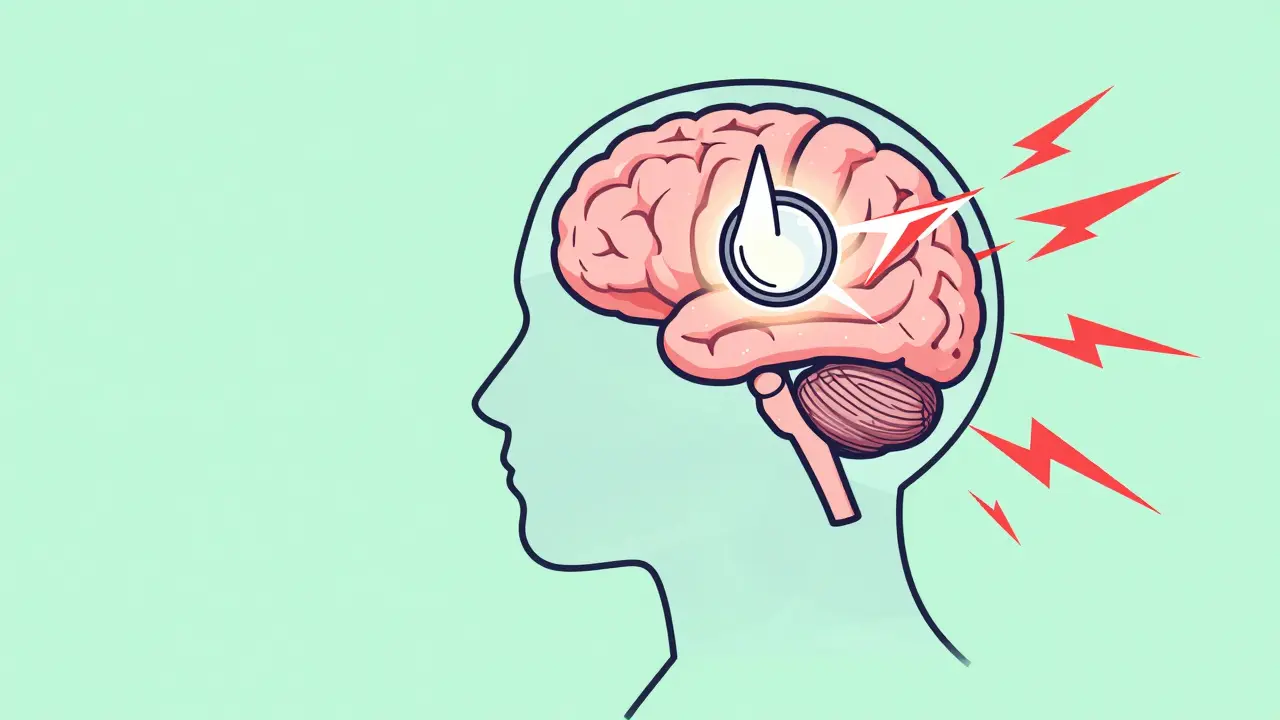
To understand why an antidepressant helps your back hurt less, you first need to know what Fibromyalgia actually is. It is not arthritis. It is not inflammation in the joints. According to the American College of Rheumatology (ACR), Fibromyalgia is a central nervous system disorder characterized by central sensitization. Imagine your brain’s volume knob for pain is stuck on "high." Normal sensations-a hug, a breeze, a light touch-are amplified into painful signals.
This condition affects approximately 2-8% of the global population, with women making up 75-90% of diagnosed cases. You might also experience fatigue, sleep disturbances, and cognitive difficulties often called "fibro fog." Because the problem lies in signal processing rather than tissue damage, traditional painkillers like ibuprofen or opioids often fail. They target peripheral inflammation, not the central amplifier. This is where neuromodulators come in.
The Role of Antidepressants in Pain Management
It sounds counterintuitive, but certain antidepressants are powerful tools for managing chronic pain. As Dr. Lesley Arnold from the University of Cincinnati noted, these drugs work because they modulate pain processing in the central nervous system, not because patients are depressed. They help turn down that volume knob by increasing levels of serotonin and norepinephrine, chemicals that inhibit pain signals traveling to the brain.
There are three main types of medications used, each with a different mechanism:
- SNRIs (Serotonin-Norepinephrine Reuptake Inhibitors): These include Duloxetine (Cymbalta) and Milnacipran (Savella). Duloxetine was approved by the FDA in 2008 specifically for Fibromyalgia. Standard dosing starts at 30 mg daily and may increase to 60 mg. Milnacipran, approved in 2009, starts at 12.5 mg and titrates up to 100 mg. Both show a 20-30% pain reduction in responders within 4-6 weeks.
- Gabapentinoids: Pregabalin (Lyrica) calms overactive nerves. Approved in 2007, it starts at 25-50 mg at bedtime and can go up to 450 mg daily. It offers 25-40% pain reduction but comes with side effects like dizziness (30-40% of users) and weight gain.
- TCAs (Tricyclic Antidepressants): Amitriptyline is older, cheaper, and not FDA-approved specifically for Fibromyalgia, but it is widely used off-label. Starting at just 5-10 mg at night, it improves sleep quality significantly, which indirectly reduces pain sensitivity. A 2022 systematic review showed a 30% pain reduction in 6-8 weeks.
A critical point to remember: these are not quick fixes. You won't feel relief overnight. It takes time for your neurochemistry to adjust. Also, never stop these medications abruptly. Withdrawal symptoms can be severe and mimic a flare-up.
Moving Without Flaring: Exercise as Medicine
If there is one thing every expert agrees on, it is this: exercise is the single most effective treatment for Fibromyalgia. Yet, it is also the most underutilized. Why? Because moving hurts. But staying still makes the central sensitization worse. The goal is not to become a marathon runner; it is to retrain your brain to accept movement as safe.
The Arthritis Foundation and recent studies highlight low-intensity activities as the gold standard. Here is how to start safely:
- Start Small: Begin with 15-20 minutes of activity, 2-3 times a week. Walking, swimming, or gentle stretching counts.
- Use the 10% Rule: Increase your duration or intensity by no more than 10% per week. This prevents post-exertional malaise (the crash after activity).
- Try Tai Chi: Research shows Tai Chi improves pain by 20-30% in 12-week trials. It combines movement, breathing, and mindfulness, addressing both physical and neurological aspects.
- Incorporate Yoga: A 2022 study found yoga reduced pain intensity by 24%. Focus on restorative styles rather than power yoga initially.
Dr. Daniel Clauw from the University of Michigan emphasizes that while medication provides faster initial relief (4-6 weeks), exercise offers sustained benefits that outlast drug effects. After 6 months, 70% of patients who stick to an exercise regimen see 25-35% pain reduction. That beats the moderate effectiveness seen in only 50% of pharmacological cases.

Mind Over Matter: Cognitive Behavioral Therapy
Your thoughts shape your pain experience. Chronic pain creates a cycle of fear, avoidance, and heightened anxiety, which feeds back into the central sensitization loop. Cognitive Behavioral Therapy (CBT) breaks this cycle. It doesn’t mean "just think positive." It means learning practical skills to manage pain responses.
Standard CBT protocols involve 8-12 weekly sessions of 45-60 minutes. Systematic reviews show 20-30% improvement in pain and disability in the short to medium term. You learn to identify pain triggers, challenge catastrophic thinking ("This pain will never end"), and develop coping strategies. When combined with medication and exercise, CBT creates a robust defense against flare-ups.
Comparing Treatment Paths: What Works Best?
| Treatment Type | Time to Relief | Pain Reduction Potential | Key Side Effects/Risks |
|---|---|---|---|
| Exercise (Tai Chi/Yoga) | 8-12 weeks | 25-35% | Temporary soreness, flare-ups if increased too fast |
| SNRIs (Duloxetine/Milnacipran) | 4-6 weeks | 20-30% | Nausea, dry mouth, increased anxiety (initially) |
| Pregabalin (Lyrica) | 2-4 weeks | 25-40% | Dizziness, drowsiness, weight gain |
| Amitriptyline (TCA) | 2-4 weeks (sleep) | 30% | Dry mouth, morning grogginess, weight gain |
| Cognitive Behavioral Therapy | 8-12 weeks | 20-30% | Emotional discomfort during therapy sessions |
Note that non-pharmacological approaches have lower discontinuation rates (10-15%) compared to medications (20-30%). This suggests that while drugs offer quicker relief, lifestyle changes build longer-term resilience.

Real-Life Strategies: Combining Approaches
Most successful patients don’t rely on just one method. A 2022 patient survey found that 37% of effective regimens combined low-dose antidepressants (like 20mg Duloxetine) with regular Tai Chi. Here is a practical roadmap:
- Weeks 1-4: Start with education and baseline tracking. Begin gentle movement (10-15 mins daily). If pain is severe, start low-dose Amitriptyline (5mg) to improve sleep.
- Weeks 5-8: Introduce CBT techniques. Gradually increase exercise to 20-30 minutes. If sleep improves but pain persists, discuss switching to or adding an SNRI like Duloxetine.
- Months 3-6: Consolidate gains. Aim for 30-45 minutes of moderate activity 5 times a week. Maintain medication at the lowest effective dose.
Remember, your body is unique. What works for someone else might not work for you. Track your symptoms daily. Note what helps and what triggers flares. This data is invaluable when discussing adjustments with your doctor.
Looking Ahead: New Horizons in Care
The landscape of Fibromyalgia care is evolving. For decades, it was dismissed as a psychiatric issue. Now, recognized as a legitimate neurological condition, research funding has increased by 200% since 2018. New treatments are emerging. For instance, centanafadine (XRS-001) recently entered Phase 3 trials, showing 35% pain reduction with fewer side effects. Digital therapeutics like the FDA-cleared Quell device for nerve stimulation offer non-drug alternatives. Personalized medicine based on symptom clusters (pain-predominant vs. fatigue-predominant) is also on the horizon.
Until then, the multidisciplinary approach remains king. Medications are adjuncts, not cures. They buy you the comfort needed to engage in the real healing: movement, mindset, and consistent self-care.
Do antidepressants cure Fibromyalgia?
No, there is currently no cure for Fibromyalgia. Antidepressants help manage symptoms by modulating pain signals in the brain, but they do not eliminate the underlying condition. They are part of a broader management strategy.
Why am I prescribed an antidepressant if I’m not depressed?
Certain antidepressants, particularly SNRIs and TCAs, affect neurotransmitters like serotonin and norepinephrine that regulate pain perception. They help dampen the amplified pain signals caused by central sensitization, regardless of your mood status.
What is the best exercise for Fibromyalgia?
Low-intensity, rhythmic exercises are best. Tai Chi, Yoga, and gentle walking are highly recommended. Start slowly and follow the 10% rule to avoid flare-ups. Consistency matters more than intensity.
How long does it take for Duloxetine to work for pain?
Most patients begin to notice pain reduction within 4 to 6 weeks of starting Duloxetine. Full benefits may take up to 12 weeks. Do not discontinue the medication early without consulting your doctor.
Can I stop taking my Fibromyalgia medication suddenly?
Absolutely not. Stopping SNRIs or TCAs abruptly can cause severe withdrawal symptoms, including dizziness, nausea, electric shock sensations, and rebound pain. Always taper off under medical supervision.