
1. Select Active Ingredient(s)
Check the "Active Ingredients" section on your medicine box.
2. Safety Analysis
You've got a nagging cold, your sinuses are blocked, and all you want is to breathe normally again. You head to the pharmacy for a quick fix, but if you're taking medication for high blood pressure, a simple over-the-counter spray or pill could be a dangerous choice. Many people assume that if a drug is available without a prescription, it's safe for everyone. Unfortunately, that's not the case here. Some common cold remedies can actually fight against your blood pressure meds, sending your numbers spiking when you least expect it.
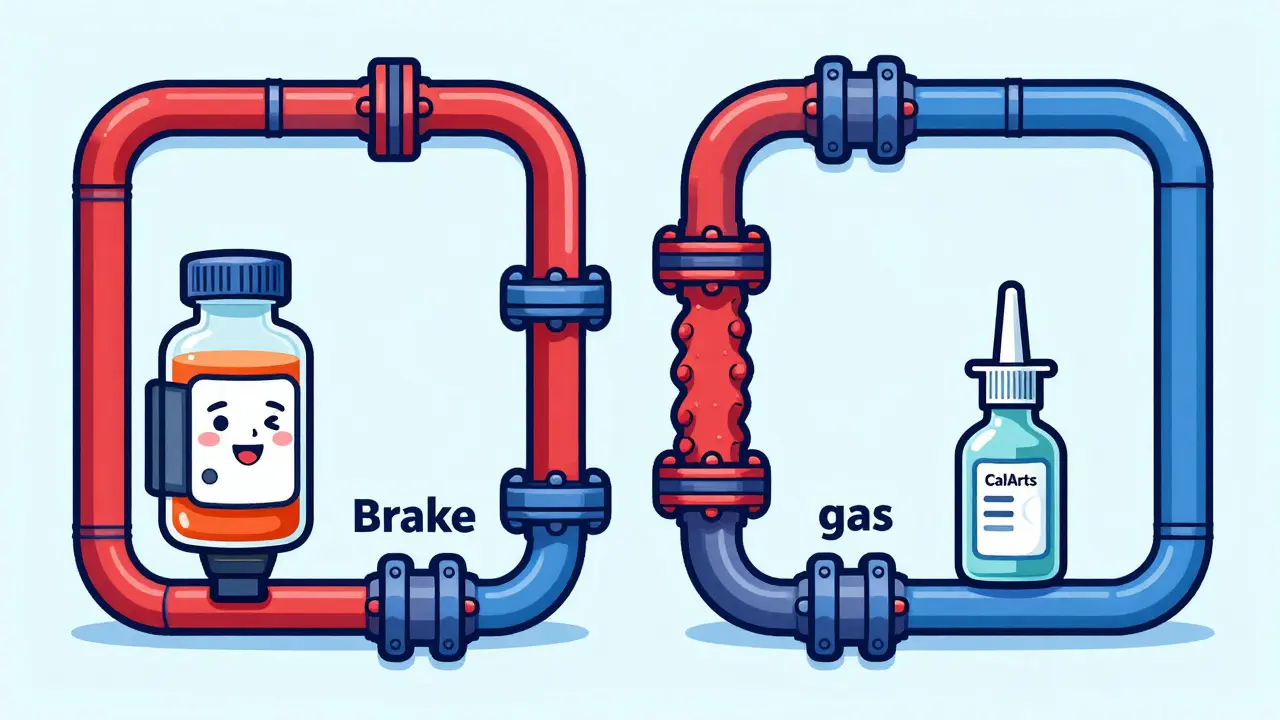
The core problem is that nasal decongestants is a class of medications that shrink swollen blood vessels in the nasal passages to open up your airways. While this helps you breathe, the same process happens elsewhere in your body. These drugs stimulate receptors that tighten blood vessels throughout your system, which naturally raises your blood pressure. If you're already managing Hypertension, adding a decongestant is like stepping on the gas while your blood pressure meds are trying to hit the brakes.
Why Your Blood Pressure Meds and Decongestants Clash
To understand the risk, you have to look at how these drugs work. Decongestants target alpha-adrenergic receptors. When these are stimulated, your blood vessels constrict. For someone with a healthy heart, this is a minor shift. But for someone with heart disease or high blood pressure, this vasoconstriction can lead to tachycardia (a racing heart), palpitations, or even dangerous arrhythmias.
This interaction isn't just a minor nuisance; it can actively neutralize your treatment. If you use Beta-blockers like metoprolol or Calcium Channel Blockers such as nifedipine, the decongestant can either make these drugs less effective or create a volatile seesaw effect in your vascular tone. In some extreme cases, combining decongestants with certain antidepressants or specific antibiotics like linezolid can cause sudden, severe blood pressure spikes that require emergency care.
| Active Ingredient | Common Brand/Product | Primary Risk | Form |
|---|---|---|---|
| Pseudoephedrine | Sudafed | Significant systolic BP increase | Oral (Pill/Liquid) |
| Phenylephrine | Various Cold/Flu combos | Potential for BP elevation | Oral |
| Oxymetazoline | Afrin | Systemic absorption risk | Topical Spray |
| Ephedrine | Various generics | Cardiovascular stimulation | Oral |
The "Topical" Myth: Is Spray Safer Than Pills?
There's a common belief that nasal sprays are safe because they don't go into the stomach. You might think, "It's just staying in my nose, so it won't affect my heart." That's a dangerous misconception. While less than an oral pill, medications like oxymetazoline are still absorbed into your bloodstream through the nasal mucosa. For people with severe or uncontrolled high blood pressure, even a spray can trigger a systemic response that raises blood pressure. If your doctor has told you that your hypertension is "uncontrolled," put the spray back on the shelf.
Safer Ways to Clear Your Sinuses
You don't have to suffer through a stuffed nose just because you have high blood pressure. There are several ways to get relief without messing with your cardiovascular system. The goal is to thin the mucus or reduce inflammation without tightening your blood vessels.
- Nasal Saline Sprays: These are just salt water. They don't have active drugs, so they won't interact with your medication. They simply rinse out the nasal passages and hydrate the membranes.
- Humidifiers and Steam: A hot shower or a cool-mist humidifier adds moisture to the air, which helps loosen mucus naturally.
- Antihistamines: If your congestion is caused by allergies, these are generally a safer bet. They work by blocking histamine rather than constricting blood vessels, though they might take longer to kick in.
- Hydration: Drinking plenty of water keeps mucus thin, making it easier to clear without chemical help.

Shopping for Cold Meds: How to Avoid Hidden Risks
The trickiest part about treating a cold is the "Multi-Symptom" label. Many products claim to treat "Cold, Flu, and Fever" all in one. Often, the decongestant is buried in a list of five different active ingredients. You might be looking for a cough suppressant but accidentally take a dose of pseudoephedrine.
Always flip the box over and read the Active Ingredients section. If you see pseudoephedrine, phenylephrine, or ephedrine, and you haven't cleared it with your doctor, avoid it. Also, be wary of sodium content. Some effervescent tablets or liquid medications contain high levels of salt, which is a known trigger for hypertension and can make your blood pressure meds work harder for less reward.
Actionable Safety Steps for Hypertension Patients
Managing your health while dealing with a seasonal cold requires a proactive approach. Instead of guessing at the pharmacy, follow these practical steps:
- Keep a Medication Log: Maintain a current list of every prescription, supplement, and over-the-counter drug you take. This prevents the "I forgot I was taking that" moment during a doctor's visit.
- Consult the Pharmacist: In the US, pseudoephedrine is kept behind the counter. Use this as a checkpoint. Ask the pharmacist, "I'm on blood pressure medication; is this specific product safe for me?"
- Monitor Your Numbers: If your doctor approves a short-term decongestant, check your blood pressure more frequently. If you notice a significant jump in your readings, stop the medication immediately.
- Limit Duration: Decongestants should never be a long-term solution. Use the lowest effective dose for the shortest time possible to minimize the strain on your heart.
Can I use a nasal spray if my blood pressure is well-managed?
Even if your blood pressure is currently managed with medication, decongestants can cause a sudden spike. While the risk is lower than for those with uncontrolled hypertension, you should still consult your primary healthcare provider before use. Some patients experience tachycardia or palpitations even when their baseline BP is stable.
What is the safest over-the-counter alternative for congestion?
Nasal saline sprays and rinses are the safest options because they contain no active pharmacological ingredients that affect the heart. For those with allergy-induced congestion, certain antihistamines are generally preferred over decongestants, though you should verify the specific brand with your doctor.
Why are some decongestants kept behind the pharmacy counter?
Products containing pseudoephedrine are regulated to prevent illegal manufacture of stimulants. However, this creates a helpful safety barrier where a pharmacist can screen for contraindications like hypertension, diabetes, or heart disease before you purchase the drug.
Will a decongestant make my blood pressure medication stop working?
Yes, it can. Decongestants cause vasoconstriction (narrowing of blood vessels), while most blood pressure meds work to dilate those vessels. This creates a pharmacological conflict that can make your medication less effective, leading to a net increase in your blood pressure.
Are there any other cold medicines I should avoid?
Beyond decongestants, you should be careful with NSAIDs (Non-Steroidal Anti-Inflammatory Drugs) like ibuprofen. These can also raise blood pressure and interfere with the effectiveness of antihypertensive medications. Always check for a "HBP" (High Blood Pressure) safe label on cold and flu products.