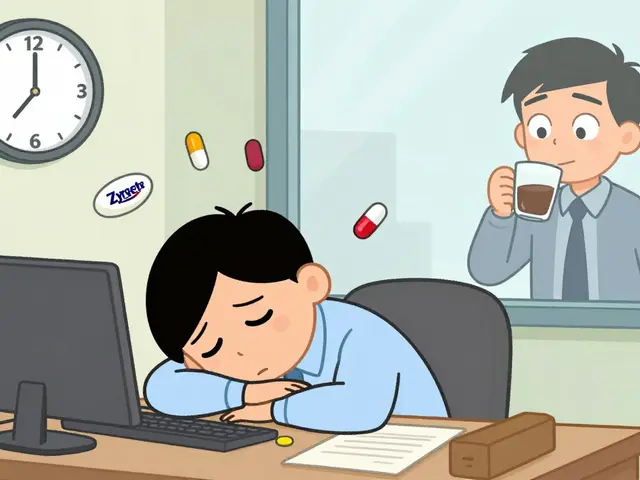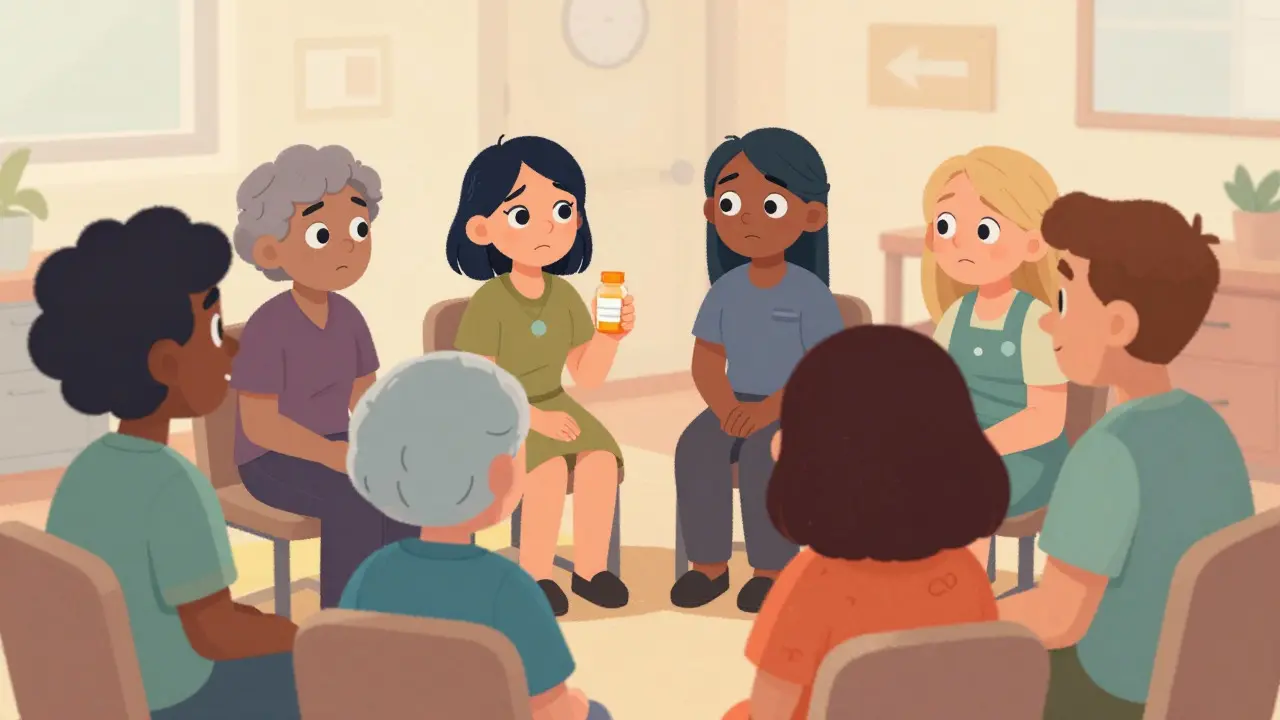
Have you ever switched from a brand-name pill to its generic version and felt like something was missing? You aren't alone. Many patients report feeling different-sometimes worse-after making the switch, even though science says the drugs are essentially the same. This gap between medical facts and personal feelings is where Patient Support Groups become a lifeline. These communities allow people to share real-world experiences with generic medications, which are copies of brand-name drugs that have the same active ingredients but cost significantly less. By connecting with others who have walked the same path, patients can navigate the emotional and practical hurdles of switching prescriptions.
Why Do We Need Support Groups for Generics?
The numbers tell a compelling story. In 2022, Association for Accessible Medicines (AAM) reported that generics made up 90% of all prescriptions filled in the United States. However, they accounted for only 12% of prescription spending. Despite these massive savings, about 10% of patients still resist switching to generics. Why? Because trust isn't built on statistics alone; it's built on shared human experience.
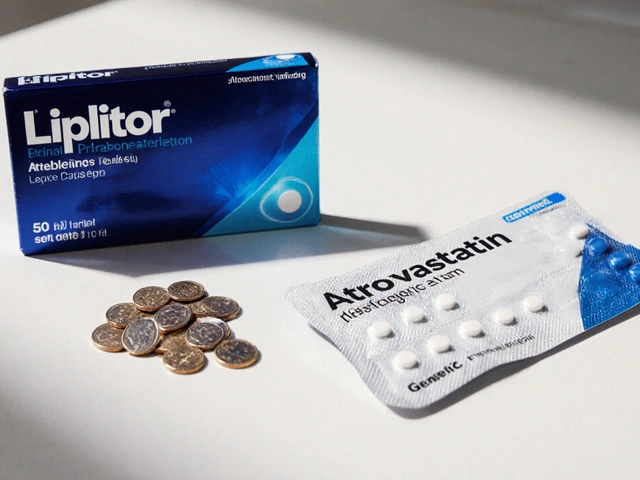
Bioequivalence is the scientific standard used by regulators like the FDA to ensure generic drugs work the same as brand names. To pass this test, a generic must demonstrate that it delivers 80-125% of the same amount of active ingredient into the bloodstream as the brand name. While this sounds reassuring to doctors, it often feels vague to patients worried about their health. Support groups bridge this gap by translating complex regulatory concepts into relatable stories. When a fellow patient explains how they adjusted to a new generic statin or blood pressure medication, it demystifies the process and reduces anxiety.
| Factor | Brand-Name Drug | Generic Medication |
|---|---|---|
| Cost | High (often hundreds of dollars per month) | Low (typically 80-85% cheaper) |
| Active Ingredient | Original formulation | Identical chemical compound |
| Inactive Ingredients | Proprietary mix (fillers, dyes) | May differ (can affect allergies/taste) |
| Patient Perception | Often viewed as "more effective" due to marketing | Sometimes viewed with skepticism despite evidence |
| Adherence Rate | Lower due to high out-of-pocket costs | Higher (15-20% increase) when affordable |
How Support Groups Build Confidence
It’s not just about saving money-it’s about sticking to your treatment plan. Research from the FDA confirmed in 2022 that patients who started on generic drugs showed 15-20% higher medication adherence rates compared to those on brand names. This boost happens because lower costs remove a major barrier to buying refills. But adherence also requires confidence. If you don’t believe the drug works, you’re less likely to take it consistently.
Support groups tackle this psychological hurdle head-on. A study from University of Chicago Medicine found that participants in structured support groups reported 27% higher confidence in generic medications. How do they achieve this? Through structured sharing mechanisms. Effective groups use moderated online forums, condition-specific social media pages, and community health center workshops. The key is validation. When 78% of successful groups incorporate healthcare professionals, as noted by the American College of Physicians (ACP), patients get both peer empathy and expert reassurance.
Consider the case of hypertension management. High blood pressure is a silent killer, requiring lifelong daily medication. For many, switching to a generic ACE inhibitor or ARB feels risky. In a support group, however, members can discuss minor side effects, timing adjustments, and lifestyle tweaks that help them manage the transition. This collective wisdom turns individual fear into shared resilience.
Bridging the Gap Between Science and Experience
One of the biggest challenges with generics is the "nocebo effect." This is when negative expectations cause actual physical symptoms. A 2009 study published in PMC documented that 29% of patients switching from brand to generic antiepileptics initially reported reduced effectiveness. Objective measures showed no difference-their bodies were responding to their own doubts. Support groups help mitigate this by normalizing the experience. Hearing others say, "I felt weird too, but it passed," can break the cycle of anxiety.
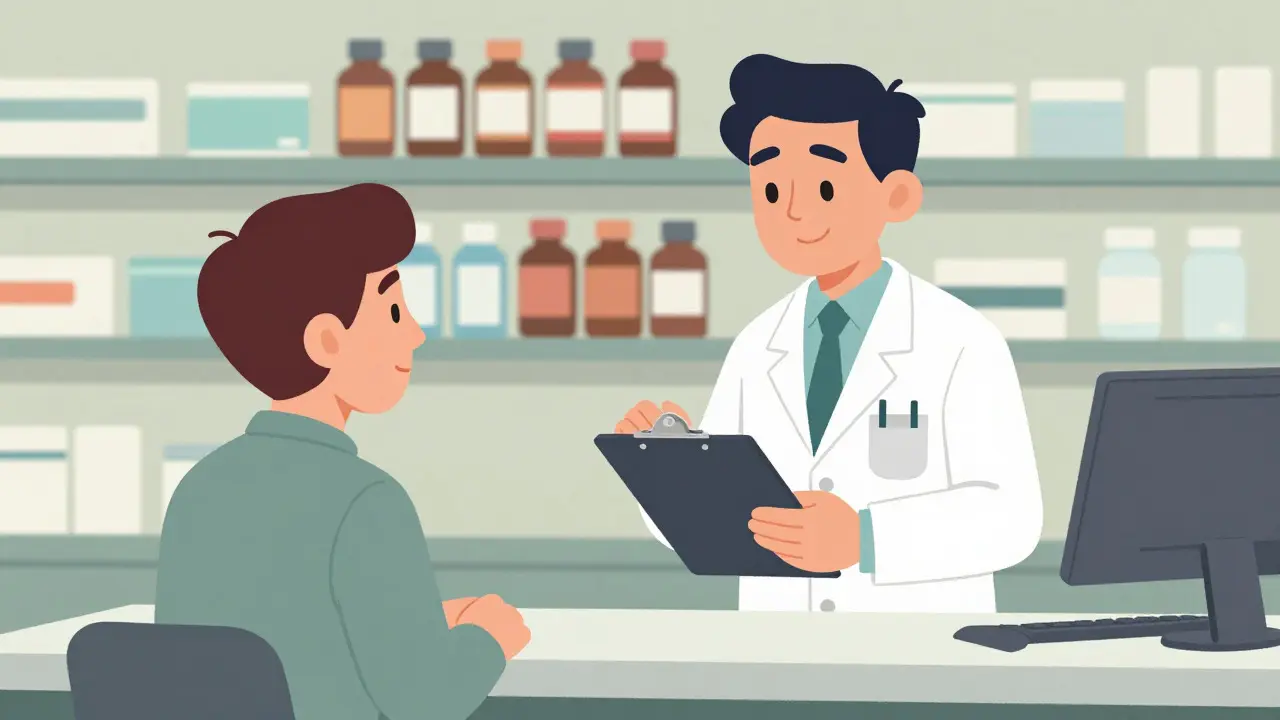
However, not all support groups are created equal. Misinformation is a real risk. That same PMC study found that 34% of online generic medication discussions contained inaccurate claims about efficacy differences. The solution? Professional oversight. Groups that partner with local pharmacists see misinformation drop to just 8%. These pharmacists verify medical claims, answer questions within 24 hours, and provide context that pure anecdote cannot offer.
For example, if a member complains that their generic thyroid medication isn’t working, a pharmacist might explain that slight variations in inactive ingredients can affect absorption for some people. They might suggest taking the pill at a different time or switching manufacturers-not abandoning generics altogether. This nuanced advice is invaluable.
Real Stories: From Skepticism to Satisfaction
User experiences across platforms reveal a consistent pattern: initial doubt followed by growing trust. On Reddit’s r/Pharmacy community, a thread titled "Switched to generic statin and felt different - am I crazy?" attracted 472 comments. Eighty-nine percent of respondents shared similar initial concerns. Yet, 76% reported that their symptoms resolved within two weeks as their bodies adjusted. One user, citing FDA bioequivalence standards, helped reassure others that the drug was chemically identical.
Facebook groups like "Generic Medication Users United," which boasts over 14,000 members, show similar trends. Analytics indicate that 68% of new members express concerns about efficacy changes upon joining. But after three months of participation, 82% report increased satisfaction. Why does time matter? Because healing and adjustment take patience. Support groups provide that patience through continuous engagement.
Success stories extend beyond pills. In 2021, Howard’s Pharmacy documented a diabetes support group that facilitated switches to biosimilar insulin alternatives. Biosimilars are large-molecule versions of biologics, similar to generics but more complex. By educating members about safety and cost benefits, the group saved participants an average of $327 monthly. That’s money back in pockets for food, housing, or other essentials-directly improving quality of life.

Finding the Right Group for You
If you’re considering joining a patient support group, look for specific markers of quality. Here’s what to prioritize:
- Professional Moderation: Look for groups with active input from doctors, nurses, or pharmacists. The ACP recommends partnerships with healthcare providers to validate shared experiences.
- Evidence-Based Frameworks: Quality groups reference peer-reviewed studies. For instance, the Generic Drug Patient Alliance cross-references personal anecdotes with clinical trials, such as the 2019 JAMA Internal Medicine analysis confirming therapeutic equivalence for cardiovascular meds.
- Cultural Relevance: Trust varies by community. CDC research found that disadvantaged populations, particularly African Americans in rural areas, showed 40% higher trust in generics after participating in culturally tailored support groups. Seek groups that reflect your background and values.
- Accessibility: System requirements should be minimal. Online platforms need only internet access, while in-person options should be located in community health centers. Rural residents may face transportation barriers, so virtual meetings are crucial.
Avoid unmoderated forums where rumors spread unchecked. In 2019, an unmoderated Facebook group incorrectly attributed side effects to generic substitution rather than disease progression. Seventeen members stopped essential medication as a result. Always check if a group has clear guidelines and responsive leadership.
The Future of Patient-Led Education
The landscape is evolving rapidly. The FDA launched its Patient Experience Metrics program in 2023, formalizing methods to incorporate support group insights into regulatory decisions. This means your voice could literally shape future drug policies. Meanwhile, the Generic Drug User Fee Amendments (GDUFA) III allocated $4.7 million specifically for patient education initiatives, signaling strong institutional backing.
Digital integration is another frontier. Seventy-three percent of major pharmacy benefit managers are developing API connections to support platforms for real-time adherence monitoring. Imagine receiving a gentle reminder from your app based on trends observed in your support group chat. Or having your doctor see aggregated anonymized feedback from thousands of patients using the same generic, helping them tailor recommendations.
Experts remain optimistic but cautious. Dr. Vineet Arora of University of Chicago Medicine leads the IMPROVE project, demonstrating how patient narratives shift provider attitudes. He notes, "The key to success is our innovative group of partners." Conversely, Dr. Aaron Kesselheim of Harvard Medical School warns that unverified anecdotes can reinforce misconceptions. His recommendation? Structured frameworks for sharing. Balance is essential.
As we move toward 2027, projections suggest optimized patient support could push generic substitution rates from 87% to 95%. This small percentage point jump represents billions in savings and millions of healthier lives. Your participation matters. Whether you’re struggling with cost, side effects, or simple uncertainty, finding a supportive community can transform your journey from isolation to empowerment.
Are generic medications really as effective as brand-name drugs?
Yes. The FDA requires generic drugs to meet strict bioequivalence standards, meaning they must deliver 80-125% of the same active ingredient into your bloodstream as the brand name. Clinical trials, including a 2019 JAMA Internal Medicine analysis of 47 studies, confirm therapeutic equivalence for most conditions, especially cardiovascular diseases. Any perceived difference is often due to inactive ingredients or the nocebo effect, not the drug itself.
How can I find a reliable patient support group for my condition?
Start by asking your doctor or pharmacist for recommendations. Look for groups affiliated with reputable organizations like the American College of Physicians or local health centers. Check if the group has professional moderation and references peer-reviewed data. Platforms like PatientsLikeMe and condition-specific Facebook groups are popular, but always verify credibility before sharing personal health information.
Why do some people feel worse after switching to a generic?
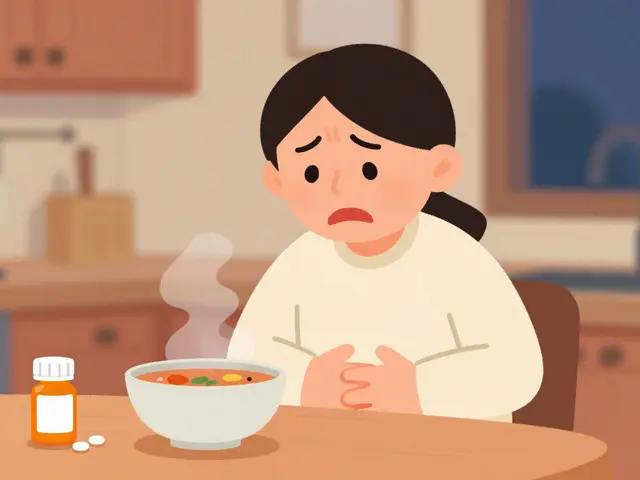
This is often linked to the nocebo effect, where negative expectations cause physical symptoms. Additionally, while active ingredients are identical, inactive components like fillers or dyes may differ, potentially affecting digestion or causing mild allergic reactions in sensitive individuals. Support groups help distinguish between true adverse reactions and temporary adjustment periods.
Do support groups actually improve medication adherence?
Absolutely. Studies show that patients in structured support groups demonstrate 27% higher confidence in generics and better adherence rates. The combination of reduced financial burden and emotional support creates a powerful incentive to stay on track with treatment plans, leading to improved health outcomes for chronic conditions like diabetes and hypertension.
Is it safe to share personal health details in online support groups?
Exercise caution. While support groups offer valuable empathy, avoid sharing identifiable information like full names, addresses, or exact birthdates. Prefer groups with clear privacy policies and active moderation. Remember that online advice complements, but never replaces, professional medical consultation from your doctor or pharmacist.