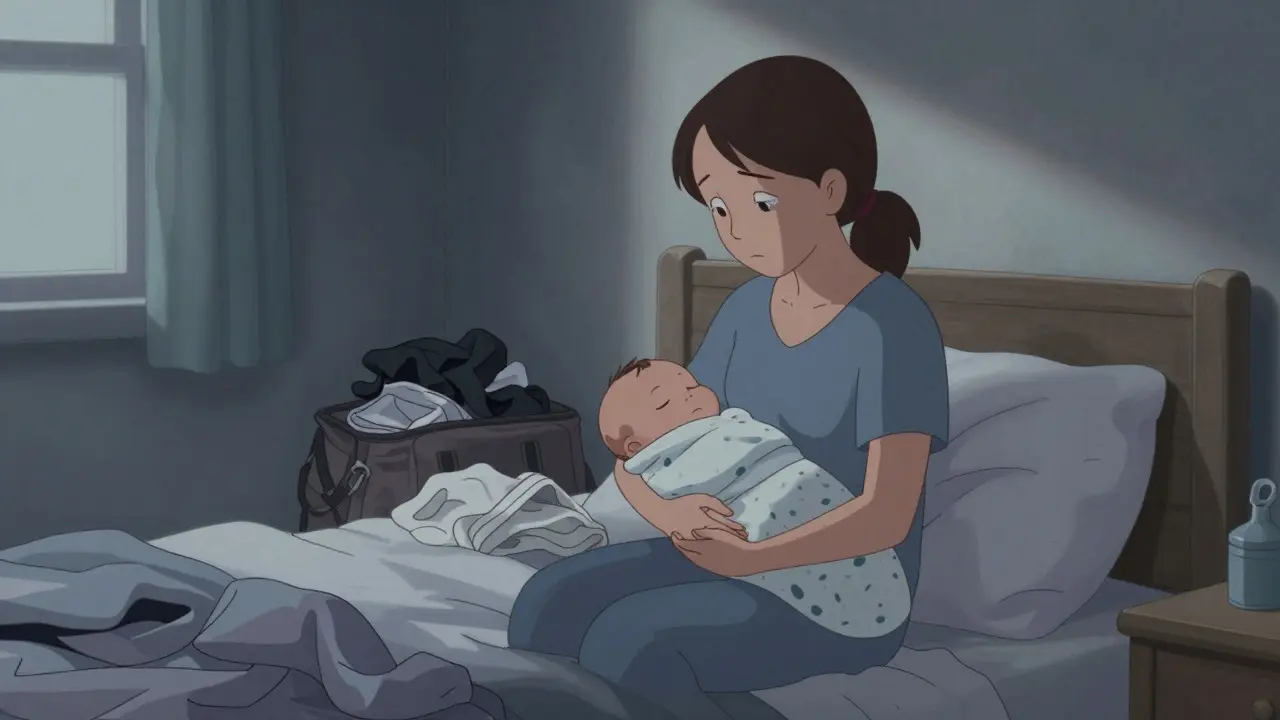
Imagine waking up three days after giving birth, feeling a profound emptiness that has nothing to do with exhaustion. You might blame the lack of sleep or the physical recovery, but for many new parents, this is the onset of Postpartum Depression, a clinical condition affecting roughly one in seven mothers. It is distinct from the "baby blues," which are transient mood swings experienced by up to 80% of new parents and typically resolve within two weeks. Unlike those fleeting emotions, PPD involves persistent sadness, anxiety, or irritability that interferes with daily life and bonding with the infant.
The debate around what causes this condition often centers on biology versus environment. While hormonal fluctuations play a massive role, they are rarely the sole culprit. Understanding the interplay between these biological shifts and psychosocial stressors is key to effective management. This guide breaks down the physiological mechanisms at work and outlines the most current, evidence-based treatment paths available in 2026.
The Hormonal Cliff After Birth
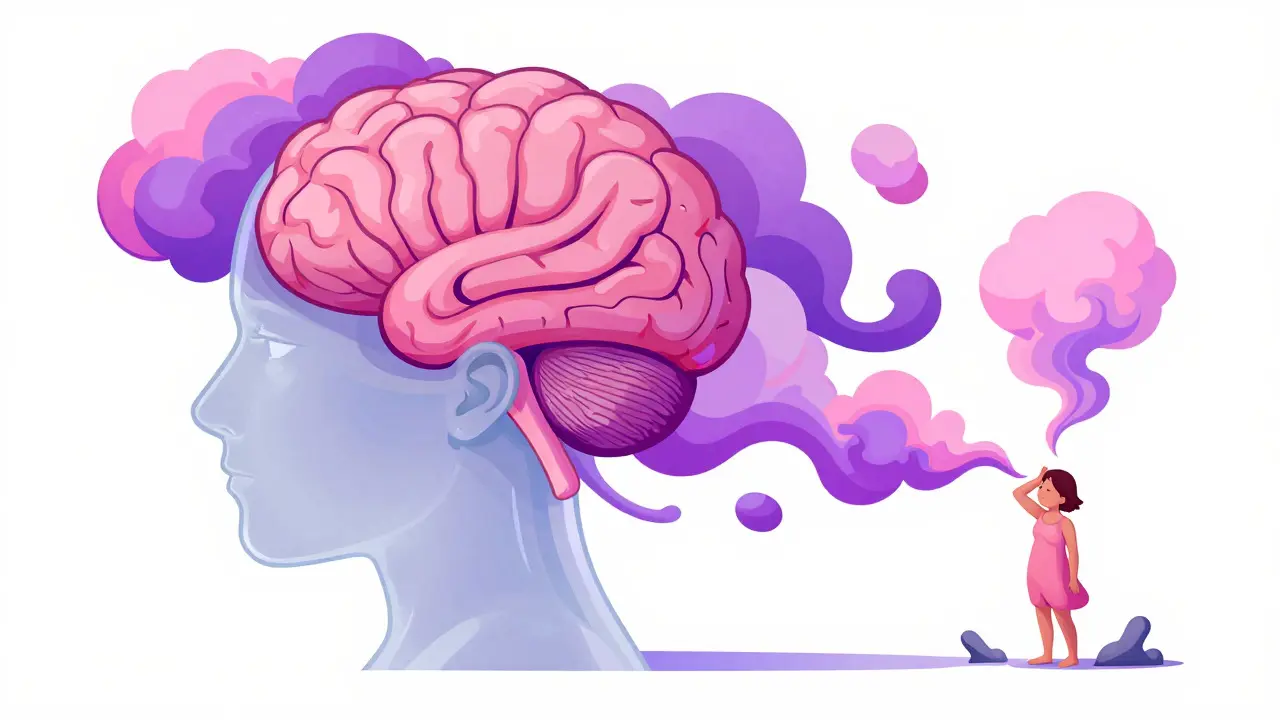
To understand why postpartum depression happens, you have to look at the dramatic drop in hormones immediately following delivery. During pregnancy, levels of estrogen and progesterone increase tenfold compared to non-pregnant states. Within 48 to 72 hours after giving birth, these levels plummet, returning to pre-pregnancy baselines by day three. This rapid withdrawal creates a "vulnerable terrain" in the brain, particularly for individuals who are genetically susceptible to hormonal sensitivity.
It is not just about the big two. Allopregnanolone, a cerebral metabolite of progesterone, plays a critical role in regulating mood and reducing irritability. Its levels drop sharply postpartum, and ovarian secretion does not resume until the first menstrual cycle, creating a temporary gap in neuroprotection. Additionally, oxytocin, often called the "bonding hormone," shows complex patterns; lower third-trimester levels correlate with higher depressive symptoms, while adequate secretion during breastfeeding can help mitigate anxiety at eight weeks postpartum.
However, science tells us it is not that simple. A 2019 meta-analysis in JAMA Psychiatry found no significant difference in estradiol or progesterone levels between women with and without PPD. This suggests that while the hormonal drop is a trigger, it acts on a background of other factors like genetic predisposition, immune response, and stress history. The HPA axis, which manages your body's stress response, also remains dysregulated for up to 12 weeks postpartum, keeping cortisol levels elevated in those with PPD.
Beyond Biology: Risk Factors and Screening
If hormones were the only cause, every mother would experience severe depression after birth. Instead, PPD results from a "complex interplay" of biological and environmental triggers. Psychosocial risk factors significantly amplify vulnerability. These include:
- History of Mental Health Issues: A prior episode of depression or anxiety increases recurrence risk to 30%.
- Sleep Deprivation: Chronic lack of sleep impairs emotional regulation and exacerbates hormonal effects.
- Social Isolation: Lack of support networks or difficult partner relationships heighten stress.
- Unplanned Pregnancy: Feelings of being unprepared contribute to psychological strain.
Screening is the first line of defense. The Edinburgh Postnatal Depression Scale (EPDS) is the global standard for detection. With a sensitivity of 91.8%, it effectively identifies at-risk individuals when scored above the threshold of 10/11. In New Zealand, as in many developed nations, healthcare providers are increasingly mandated to use such validated tools during routine prenatal and postnatal visits. Early identification allows for intervention before symptoms become chronic, which can otherwise persist for months if untreated.
Treatment Options: From Therapy to Targeted Drugs
Managing PPD requires a tailored approach, ranging from lifestyle adjustments to advanced pharmacotherapy. For mild cases, watchful waiting combined with peer support may suffice. However, moderate to severe cases require active intervention. Here is how the landscape looks in 2026:
Psychotherapy and Lifestyle Adjustments
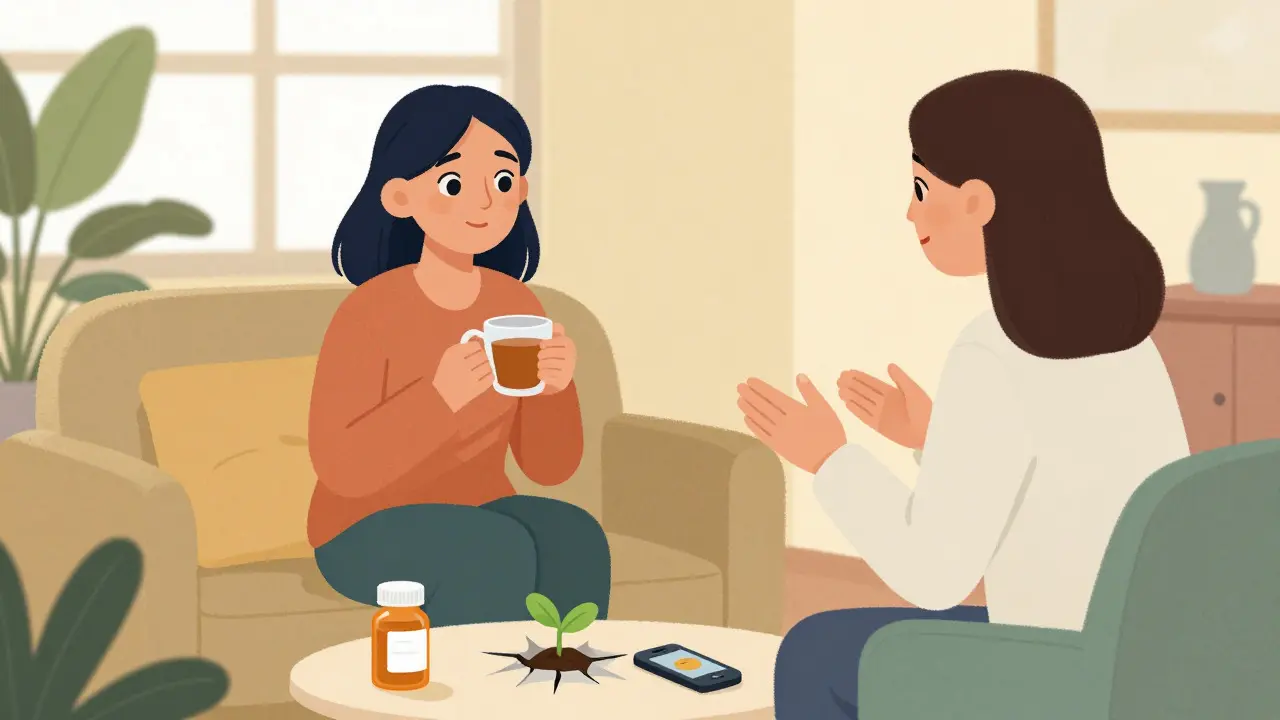
Cognitive Behavioral Therapy (CBT) remains a cornerstone of non-pharmacological treatment. A 2020 meta-analysis showed CBT achieves a 52.3% response rate, significantly outperforming control groups. It helps reframe negative thought patterns and build coping strategies. Alongside therapy, prioritizing sleep hygiene and seeking practical help with household tasks can reduce the load on the HPA axis, allowing the body to recover more naturally.
Pharmacological Interventions
When symptoms are severe, medication is often necessary. Selective Serotonin Reuptake Inhibitors (SSRIs), particularly sertraline, are frequently prescribed due to their favorable safety profile during lactation. They work by increasing serotonin availability in the brain, counteracting the chemical imbalances triggered by the postpartum period.
For those resistant to traditional antidepressants, newer options have emerged. Brexanolone (Zulresso), approved in 2019, is an intravenous formulation of allopregnanolone. It requires a 60-hour continuous infusion in a monitored setting due to sedation risks but offers rapid relief for moderate-to-severe PPD. More recently, Zuranolone (Zurzuvae), approved in August 2023, provides an oral alternative, eliminating the need for hospitalization. This represents a major shift in accessibility for patients who cannot manage IV treatments.
| Treatment Type | Mechanism | Onset of Action | Key Considerations |
|---|---|---|---|
| Cognitive Behavioral Therapy (CBT) | Reframes negative thoughts | 4-6 weeks | Non-invasive; requires consistent attendance |
| SSRIs (e.g., Sertraline) | Increases serotonin levels | 2-4 weeks | Generally safe for breastfeeding; monitor for side effects |
| Brexanolone (IV) | Restores allopregnanolone levels | Days | Requires 60-hour hospital stay; sedation risk |
| Zuranolone (Oral) | Modulates GABA receptors | 14 days | Convenient home use; liver function monitoring needed |
Navigating Care in New Zealand
If you are living in Auckland or elsewhere in New Zealand, accessing PPD care involves navigating both primary and secondary health services. Your General Practitioner (GP) is usually the starting point. They can administer the EPDS and refer you to a psychiatrist or psychologist if needed. For immediate support, organizations like Postpartum Support International offer warmlines, though local equivalents such as the Perinatal Mood Disorders Association provide region-specific resources.
It is worth noting that 78% of obstetricians feel unprepared to manage PPD independently. This means that if your OB-GYN seems hesitant to discuss mental health deeply, pushing for a referral to a specialist in perinatal mental health is a reasonable and necessary step. In New Zealand, public health pathways allow for subsidized GP visits and referrals to district health boards for psychiatric assessment, ensuring that cost is less of a barrier than in some other countries.
Frequently Asked Questions
Is postpartum depression caused solely by hormones?
No. While the dramatic drop in estrogen and progesterone is a significant trigger, PPD is multifactorial. Genetic susceptibility, immune system changes, sleep deprivation, and psychosocial stress all contribute. Some women with normal hormone levels still develop PPD, indicating that individual brain chemistry and environment play crucial roles.
Can I take antidepressants while breastfeeding?
Yes, many antidepressants are considered compatible with breastfeeding. Sertraline is often the first choice because it passes into breast milk in very low concentrations. Always consult your doctor to choose the safest option based on your specific medical history and the age of your baby.
How long does postpartum depression last?
With proper treatment, symptoms often improve within weeks to months. Without treatment, PPD can persist for years or become chronic. The timeline varies widely depending on the severity of the initial episode, the type of treatment used, and the level of social support available.
What is the difference between baby blues and PPD?
Baby blues involve mild mood swings, crying spells, and anxiety that start within a few days of birth and resolve on their own within two weeks. PPD involves more intense feelings of sadness, hopelessness, or detachment that persist beyond two weeks and interfere with daily functioning. If symptoms worsen or last longer than two weeks, seek professional evaluation.
Are there natural remedies for PPD?
Lifestyle changes like regular exercise, balanced nutrition, and adequate sleep support recovery but are rarely sufficient alone for moderate to severe PPD. Supplements like omega-3 fatty acids show some promise in supporting brain health, but they should complement, not replace, professional medical advice and treatment.